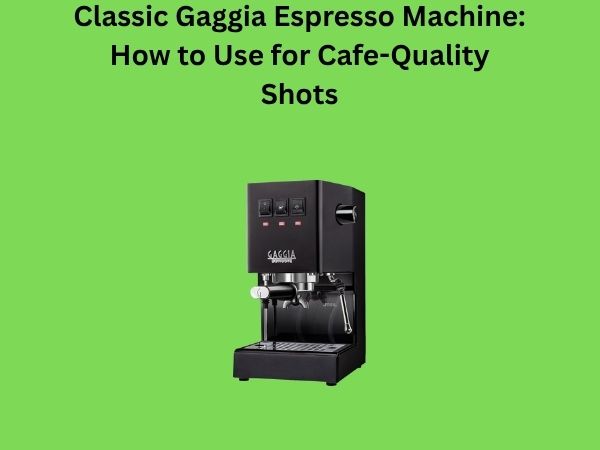

How Espresso Machines Work: Bean to Cup
Espresso machines work by forcing hot water under high pressure through finely-ground coffee beans. This process extracts the coffee’s flavor and aroma quickly, creating the rich, concentrated shot of espresso we know and love. It’s a surprisingly simple yet ingenious mechanism.
Understanding how your espresso machine turns humble beans into that perfect cup can be quite fascinating. You’ll learn about the key components and the journey from bean to your delicious beverage. It all comes down to a bit of pressure and the right temperature, and we found the results are truly rewarding.
- Espresso machines use high pressure and hot water.
- This extracts flavor from finely ground coffee.
- Key parts include the boiler, pump, and portafilter.
- The goal is a concentrated, delicious coffee shot.
- It’s a blend of engineering and coffee artistry.
Ready to peek behind the curtain? Let’s walk through exactly how your espresso machine works, step by step, from the moment you grind those beans to that first blissful sip.
Understanding Your Espresso Machine’s Magic
So, how does that sleek machine on your counter transform simple coffee grounds into a rich, crema-topped espresso shot? It’s a dance of precision, pressure, and temperature. We found that understanding this process makes your morning coffee even more special.
The Heart of the Operation: Pressure and Heat
At its core, espresso making is about extracting flavor. Your machine achieves this by forcing hot water through finely-ground coffee under significant pressure. This isn’t your average drip coffee method; it’s a much more intense extraction.
The Role of Water Temperature
Water that’s too cool won’t extract enough flavor. Water that’s too hot will scorch the grounds, leading to a bitter taste. Most espresso machines aim for a sweet spot. Research and found that temperatures between 195°F and 205°F (90.5°C – 96.1°C) are ideal for optimal extraction.
The Power of Pressure
Pressure is the real game-changer. You’ve probably seen “9 Bar” mentioned. What does that mean? It’s a unit of pressure. For espresso, around 9 bars is considered the standard. That’s roughly 130 pounds per square inch!
This intense pressure does two main things. It forces the water through the dense coffee puck efficiently. It also helps to emulsify the coffee oils, creating that signature creamy foam, the crema, on top of your espresso. We found that without this pressure, you wouldn’t get that distinct espresso character.
Key Components: Your Machine’s Workhorses
Every espresso machine, whether manual or automatic, has a few vital parts working together. Let’s break down what they are and what they do.
The Boiler: Where the Magic Happens
This is where the water gets heated. There are a few types of boilers:
- Single Boiler: Heats water for both brewing and steaming, but you have to wait between functions.
- Heat Exchanger: Uses one boiler but has a tube running through it. This heats the brew water while the boiler stays hot for steam.
- Dual Boiler: Has two separate boilers, one for brewing and one for steaming. This offers the most control.
Many experts suggest that dual boiler systems offer the best temperature stability for consistent shots. We found this is especially true for those who enjoy milk-based drinks.
The Pump: The Engine of Pressure
This component is responsible for generating the high pressure needed. Think of it as the heart of your machine, pumping water from the reservoir to the boiler and then to the group head. Most home machines use a vibratory pump, while commercial machines often use a rotary pump for quieter and more consistent pressure.
The Portafilter: Holding the Coffee
This is the handle with a basket that you fill with your ground coffee. It locks into the group head. The portafilter’s design is crucial for even water distribution. You’ll often see different basket sizes for single or double shots.
The Group Head: Where Extraction Begins
Attached to the machine’s body, this is where hot water is dispensed into the portafilter. It’s designed to create a seal and distribute water evenly over the coffee grounds. Some group heads are more advanced, offering better temperature stability.
The Espresso Extraction Process: Step-by-Step
Let’s follow a shot from bean to cup. You’ll see how all the parts play their role.
Grinding the Beans
The journey starts with your coffee beans. For espresso, you need a very fine, consistent grind. Too coarse, and the water rushes through, giving you weak coffee. Too fine, and it can clog the machine. We found that a good burr grinder is essential for this.
Tamping the Grounds
Once the coffee is in the portafilter basket, you need to tamp it down. This creates a dense, even puck of coffee. A level tamp is key. Uneven tamping leads to uneven extraction, often called “channeling.” Many baristas say this is a crucial step for a great shot.
The Brew Cycle Starts
You lock the portafilter into the group head. Then, you activate the pump. The pump draws water from the reservoir, sends it through the boiler (where it’s heated to the right temperature), and then forces it under high pressure into the group head.
Water Meets Coffee
The hot, pressurized water saturates the coffee grounds in the portafilter. This rapid extraction process pulls out the soluble compounds – oils, acids, sugars, and caffeine. The entire process usually takes about 25-30 seconds.
The Result: A Perfect Shot
As the espresso flows from the portafilter spouts, you should see a stream of rich, dark liquid. It will be topped with that beautiful reddish-brown crema. You’ve just witnessed the machine’s work! We found that a well-pulled shot is truly a sight to behold.

Quick Checklist for Understanding Your Machine
- Water is heated to a precise temperature.
- A pump creates high pressure (around 9 bars).
- Finely ground coffee is held in the portafilter.
- Pressure forces water through the coffee puck.
- This rapid extraction creates a concentrated shot with crema.
Espresso Machine Types: A Brief Comparison
Different machines offer varying levels of control and convenience. Knowing these can help you appreciate your own machine or choose your next one.
| Machine Type | How It Works | Best For |
|---|---|---|
| Manual Lever | You manually control the pressure with a lever. | Enthusiasts who love hands-on control. |
| Semi-Automatic | You start and stop the pump manually. Boiler type varies. | Most home users; offers good control. |
| Automatic | Dispenses a pre-set volume of espresso. | Those wanting consistency with less intervention. |
| Super-Automatic | Grinds, tamps, brews, and often froths milk at the touch of a button. | Convenience seekers; “bean to cup” at its easiest. |
We found that semi-automatic machines offer a great balance of control and ease of use for most home baristas. Super-automatics provide unparalleled convenience. Many sources suggest manual levers for the truly dedicated coffee lover.
Conclusion
You’ve now journeyed from coffee beans to a delicious espresso shot, understanding the pressure and heat that make it all happen. We’ve seen how key components like the boiler, pump, and portafilter work in harmony. Your espresso machine is a marvel of engineering, transforming simple grounds into a rich, crema-topped beverage. Now that you know the mechanics, you can better appreciate your morning ritual. Ready to experiment? Try adjusting your grind size slightly and see how it affects your next shot – you’ve got this!
Frequently Asked Questions
What’s the ideal water temperature for espresso?
Research and found that the sweet spot for espresso extraction is typically between 195°F and 205°F (90.5°C – 96.1°C). Water that’s too cool won’t extract enough flavor, while water that’s too hot can scorch your coffee grounds, leading to a bitter taste.
Why is 9 bars of pressure important for espresso?
That 9-bar pressure standard is key because it efficiently forces water through your finely-ground coffee puck. This intense pressure also helps emulsify the coffee oils, which is what creates that signature creamy layer of crema on top of your espresso shot.
What’s the difference between a single boiler and a dual boiler machine?
A single boiler heats water for both brewing and steaming, meaning you often have to wait between making espresso and frothing milk. A dual boiler machine has two separate boilers – one dedicated to brewing and another for steaming – allowing you to do both simultaneously with better temperature stability.
How does grinding affect my espresso shot?
The grind size is super important for espresso extraction. You need a fine, consistent grind from a good burr grinder. If your grind is too coarse, the water will pass through too quickly, resulting in a weak shot. If it’s too fine, it can clog the machine and lead to bitter, over-extracted coffee.