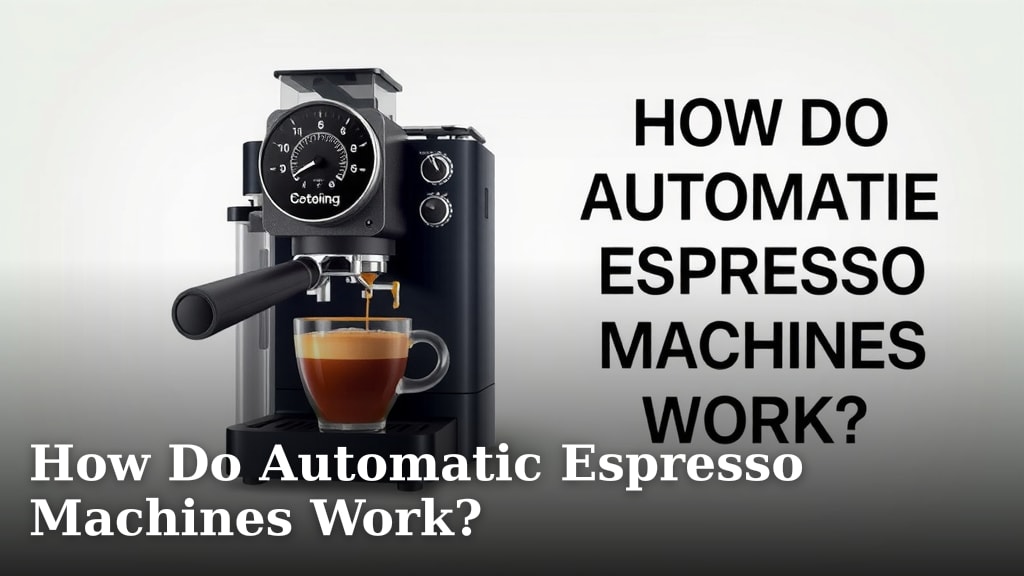
How Do Automatic Espresso Machines Work?
Automatic espresso machines work by automating the brewing process. They use programmable settings to grind beans, tamp coffee, heat water, and force it through the grounds. This means you get a rich espresso with minimal effort. You just need to add your beans and water.
These machines are designed for convenience and consistency. They simplify making cafe-quality drinks at home. Many models also offer milk frothing capabilities. This lets you create lattes and cappuccinos with just a button press. It’s like having a personal barista.
- Automatic espresso machines handle everything from grinding to brewing.
- They use built-in motors and heaters for precision.
- Settings control grind size, water temperature, and pressure.
- Most can also steam and froth milk for specialty drinks.
Let’s walk through exactly how this works step by step, so you can understand the magic behind your morning cup!
Understanding How Automatic Espresso Machines Work
Automatic espresso machines are truly wonders of modern kitchen engineering. They take the guesswork out of brewing. You’re left with a delicious, cafe-quality espresso every time. Let’s break down the fascinating process behind that perfect shot.
The Journey of Your Espresso Bean
These machines handle several steps automatically. They grind your beans, measure them, and even tamp them down. This ensures the right amount of coffee for the perfect extraction.
Built-In Grinding Power
Many automatic machines have an integrated grinder. You simply fill the hopper with whole beans. When you select your drink, the grinder activates. It grinds the beans to a fine consistency, ideal for espresso. The grind size is often adjustable. This lets you fine-tune your brew.
Precise Dosing and Tamping
Once ground, the coffee is automatically dispensed into the brew group. This is the heart of the machine where brewing happens. It’s then tamped down. Tamping creates a compact puck of coffee. This evenness is key for water to flow through consistently. Research shows that even tamping improves espresso extraction (National Coffee Association).
The Brewing Process: Hot Water Under Pressure
This is where the magic truly happens. The machine heats water to the optimal brewing temperature and forces it through the coffee grounds.
Heating the Water
Automatic machines use powerful heating elements. These quickly bring water to the ideal temperature for espresso. This is typically between 195°F and 205°F (90°C to 96°C). Consistent temperature is vital for proper extraction. Too cold, and you get sour coffee. Too hot, and it tastes burnt (Specialty Coffee Association).
The Power of Pressure
Espresso requires high pressure to extract its rich flavor and crema. Automatic machines generate this pressure. They use a pump to force hot water through the tamped coffee grounds. Nine bars of pressure is the industry standard for espresso. This pressure pushes the water through the fine coffee particles. It extracts the oils and flavors quickly.
What Happens During Extraction?
As the hot water meets the compressed coffee, it begins to extract solubles. These are the flavor compounds. The oils in the coffee beans are emulsified. This creates the signature crema on top. The process is rapid, usually lasting between 20 to 30 seconds for a single shot.
Milk Frothing: Creating Your Latte Art
Many automatic machines don’t stop at just espresso. They also handle milk texturing. This means you can make lattes, cappuccinos, and more!
The Steam Wand Method
Some models use a traditional steam wand. You place a milk pitcher under it. The machine injects hot steam into the milk. This heats the milk and creates foam. It requires a bit of technique to get the perfect microfoam. But with practice, it’s quite achievable.
Automatic Milk Systems
Other machines have more advanced automatic systems. You might connect a milk carafe or a tube directly to the machine. The machine then heats and froths the milk for you. It dispenses it directly into your cup. This is the ultimate convenience for milk-based drinks. It’s like having a built-in barista.
Customization and Control at Your Fingertips
The “automatic” part doesn’t mean you have no say. You often have several ways to customize your drink.
Adjusting Your Settings
Most machines allow you to adjust parameters. You can often change the coffee strength. You can also select the volume of your espresso shot. Some even let you adjust water temperature. This level of control helps you dial in your perfect cup. It’s a blend of automation and personal preference.
Programmable Drink Options
Think of your machine as a helpful guide. It remembers your preferences. You can often program your favorite drink settings. This means hitting a button can recreate your ideal coffee. It’s designed for efficiency and repeatability. This is why automatic machines are so popular for busy mornings.
Key Takeaways for Your Automatic Espresso Machine
- Beans are ground and tamped automatically for consistency.
- Water is heated precisely and forced through grounds under high pressure.
- Milk frothing is often automated for specialty drinks.
- You can usually customize strength, volume, and temperature.
- The machine stores your preferences for easy brewing.
- Enjoy cafe-quality espresso with minimal effort!
Conclusion
You now understand how your automatic espresso machine transforms beans into delicious coffee. It handles grinding, tamping, precise water heating, and high-pressure brewing. Many even froth milk for your favorite specialty drinks. The convenience and consistency are clear benefits for your morning routine. You can enjoy cafe-quality espresso with minimal effort, tailored to your taste. Your next step is to simply enjoy your perfectly brewed cup!
Frequently Asked Questions
How does an automatic espresso machine ensure the coffee grounds are packed correctly?
Automatic machines use a built-in mechanism to tamp the coffee grounds. This process ensures an even puck of coffee. Consistent tamping is vital for proper water flow during brewing.
What kind of pressure is used in an automatic espresso machine?
Automatic espresso machines typically generate around nine bars of pressure. This is the industry standard for creating authentic espresso. This pressure forces hot water through the coffee grounds efficiently.
Can I adjust the strength of my coffee with an automatic machine?
Yes, most automatic machines allow you to customize your drink. You can usually adjust settings like coffee strength and shot volume. Some even let you control water temperature for a personalized brew.
Are automatic espresso machines difficult to clean?
Cleaning varies by model, but many are designed for easy maintenance. They often have removable parts and automatic cleaning cycles. Refer to your machine’s manual for specific cleaning instructions.