
How Long to Brew with a DeLonghi Espresso
The typical brew time for a DeLonghi espresso machine is between 20 to 30 seconds. This short window is ideal for extracting a rich, flavorful shot. A good shot will pour like warm honey. Too fast or too slow can signal issues with your grind or tamp.
Understanding your DeLonghi’s brew time helps you make delicious espresso at home. It’s a key factor for getting that perfect crema. Many factors influence this, from bean freshness to the machine’s temperature. We’ll guide you through it.
- Brew time is usually 20-30 seconds.
- This timing is for a standard espresso shot.
- It impacts flavor and crema quality.
- Adjust grind size and tamping for best results.
Let’s dive into the specifics of how long to brew with your DeLonghi espresso machine and what affects it.
Dialing In Your DeLonghi Espresso Brew Time
Getting the perfect espresso shot from your DeLonghi machine is all about timing. You’re aiming for a sweet spot, a delicious extraction that hits all the right notes. This usually means a brew time between 20 and 30 seconds. It sounds simple, but a lot goes into achieving that ideal pour.
If your shot pulls too fast, you might end up with a weak, sour espresso. Pull it too slow, and it can taste bitter and burnt. Your DeLonghi is designed to help you hit that target, but you play a key role in making it happen. Let’s look at what influences this vital window.
What Does Perfect Espresso Look Like?
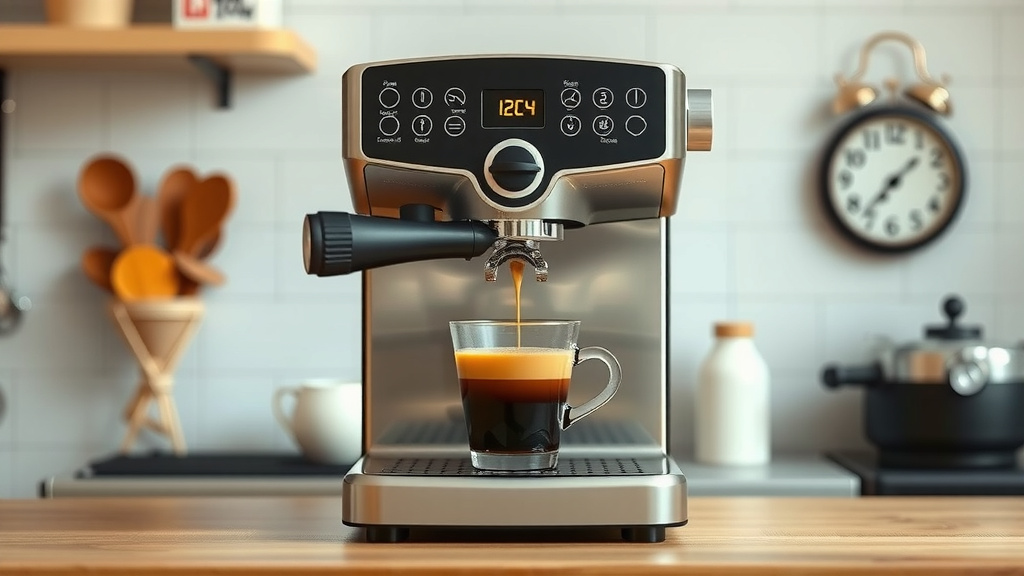
Before we talk time, let’s talk appearance. A well-pulled espresso shot from your DeLonghi should pour like warm honey. You’ll see a nice, thick crema on top, a reddish-brown foam that indicates a good extraction. This crema is where much of the espresso’s aroma and flavor live.
The flow rate matters. It should start as a few dark drops, then transition into a steady, thin stream. If it rushes out like water, or drips out like thick syrup, your timing and quality will suffer. This visual cue is your first indicator that something might need adjusting.
Factors Influencing Your DeLonghi’s Brew Time
Several elements work together to determine how long it takes to brew a great shot. Think of it like baking a cake; you need the right ingredients and the right oven temperature. Your DeLonghi espresso machine needs these same considerations to perform at its best.
1. Coffee Bean Freshness and Roast Level
The beans you use are foundational. Freshly roasted beans, typically within 1-4 weeks of their roast date, will perform better. Older beans lose their volatile aromatics, impacting flavor and crema. You’ll find that older beans can lead to faster, less flavorful shots.
Roast level also plays a role. Darker roasts tend to be more soluble, meaning they extract faster. Lighter roasts are denser and require more time and pressure to extract properly. If you’re using a dark roast, you might find yourself closer to the 20-second mark. A light roast might push towards 30 seconds or slightly more.
2. Grind Size: The Most Important Variable
This is where you have the most control. The grind size of your coffee beans directly impacts how water flows through the coffee puck. A finer grind slows down the water, extending brew time. A coarser grind speeds it up, shortening brew time.
You want a grind that feels like fine sand. If it’s too coarse, water rushes through. If it’s too fine, water might struggle to pass at all, leading to channeling or an overly bitter shot. Most DeLonghi machines have a built-in grinder or are designed to work with a separate one. Experimentation is key here. You might need to make tiny adjustments to your grinder to find the sweet spot for your beans.
Getting Your Grinder Right
When you’re dialing in, make one adjustment at a time. Grind a shot, time it, taste it. If it’s too fast and sour, grind finer. If it’s too slow and bitter, grind coarser. This iterative process is how you learn your machine and your coffee.
3. Tamping Pressure and Consistency
Tamping is how you compress the coffee grounds into a dense, even puck in your portafilter. Consistent, firm pressure is important. You’re aiming for about 30 pounds of pressure, roughly equivalent to the force you’d use to press down on a bathroom scale to reach that number. The goal is to create resistance for the water.
Uneven tamping can lead to water finding paths of least resistance, known as channeling. This results in uneven extraction, affecting both taste and brew time. Some experts suggest a slight polish twist at the end, but consistency is more critical than technique for beginners (National Coffee Association).
4. Water Temperature and Machine Warm-up
Your DeLonghi machine needs to be sufficiently hot before brewing. Water that isn’t hot enough won’t properly extract the coffee compounds. Most DeLonghi models have a heating element that needs time to reach optimal brewing temperature, typically around 195-205°F (90-96°C).
We recommend running a blank shot (without coffee) through the group head before your first espresso of the day. This flushes out any stale water and ensures the internal components are fully heated. Allow your machine to warm up for at least 15-20 minutes after turning it on. This ensures stable temperatures for extraction.
5. Dose Amount and Portafilter Fill Level
The amount of coffee grounds you use, known as the dose, also matters. Most DeLonghi single-shot baskets recommend around 7-9 grams of coffee, while double-shot baskets typically take 14-18 grams. Using too little coffee means the puck will be too thin and water will pass through too quickly.
Ensure the portafilter basket is filled evenly. When tamping, you want a level surface. Overfilling can prevent the group head from sealing properly, leading to leaks and poor extraction. Underfilling can result in a weak, fast shot.
Troubleshooting Common Brew Time Issues
Sometimes, even with the best intentions, your DeLonghi might not cooperate. Here’s a quick guide to common problems and their solutions.
Shot Pulling Too Fast (Under 20 Seconds)
This often means your coffee is too coarsely ground. Your first step should be to adjust your grinder to a finer setting. If you’ve already done that, check your tamping. Are you applying enough, consistent pressure? Ensure you’re using the correct dose for your portafilter basket.
Shot Pulling Too Slow (Over 30 Seconds)
This usually points to a grind that’s too fine. Try adjusting your grinder to a coarser setting. Another possibility is over-tamping, which can also restrict water flow. Make sure your portafilter basket isn’t packed too tightly.
Inconsistent Shots
Inconsistency often comes down to variable factors. Are you weighing your dose? Is your tamping pressure consistent shot after shot? Are your beans stale? Randomizing these elements can lead to inconsistent results. Focus on mastering one variable at a time.
Checklist for Perfect Espresso Timing
Use this quick guide to make sure you’re on track:
- Warm up your DeLonghi machine thoroughly.
- Use freshly roasted coffee beans.
- Grind your beans just before brewing.
- Adjust grind size for a honey-like flow.
- Tamp with consistent, firm pressure.
- Aim for 20-30 seconds of brew time.
Conclusion
You’ve learned that the sweet spot for DeLonghi espresso brew time is generally 20 to 30 seconds. This critical window ensures you get that rich flavor and beautiful crema. You now know how factors like grind size, tamping, and machine temperature play a huge role. Don’t get discouraged if your first few shots aren’t perfect. It takes a little practice to dial in your machine. Your next step is to focus on adjusting your grind size. This is often the easiest way to start getting closer to that perfect espresso.
Frequently Asked Questions
Why does my DeLonghi espresso taste sour?
A sour taste usually means your espresso extracted too quickly, often because the grind is too coarse. You should also check if your machine is reaching the proper brewing temperature. Try grinding finer and ensure your portafilter is preheated.
What if my espresso tastes bitter?
Bitterness typically indicates an over-extraction, meaning the water flowed too slowly through the coffee grounds. This often happens with a grind that’s too fine or if you’ve tamped too hard. Adjust your grinder to a coarser setting or lighten your tamping pressure.
How important is weighing my coffee dose?
Weighing your coffee dose is very important for consistency. It ensures you’re using the same amount of coffee for each shot, which helps you isolate other variables like grind size. Using a scale takes the guesswork out of dosing and leads to more predictable results.
Can I use pre-ground coffee with my DeLonghi machine?
While you can technically use pre-ground coffee, it’s not ideal for achieving optimal brew times and flavor. Pre-ground coffee loses freshness quickly and the grind size is often not specific enough for espresso. For the best results, always grind your beans fresh just before brewing.