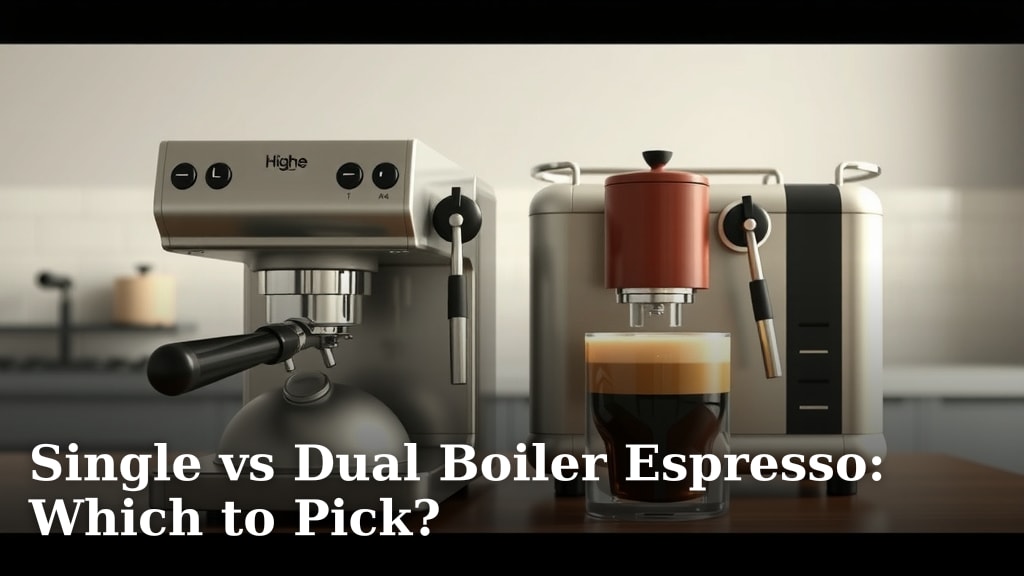
Single vs Dual Boiler Espresso: Which to Pick?
Deciding between a single boiler and a dual boiler espresso machine really comes down to your brewing habits and budget. For most home baristas who enjoy a few lattes a day, a single boiler machine is usually the smarter, more affordable choice. If you need speed and consistently perfect milk drinks without waiting, a dual boiler is worth the investment.
We’ve found that many coffee lovers start with a single boiler and upgrade later if their needs change. Understanding the core difference—how they heat water—is key to making the right pick for your kitchen. It’s less about which is “better” and more about which is better for you.
- Single boiler machines are budget-friendly and good for casual use.
- Dual boiler machines offer speed and better temperature control.
- Think about how many drinks you make and how quickly you need them.
- Your budget plays a big role in the decision.
- Consider if you often steam milk while pulling a shot.
Let’s break down the pros and cons of each so you can feel confident about your espresso machine choice.
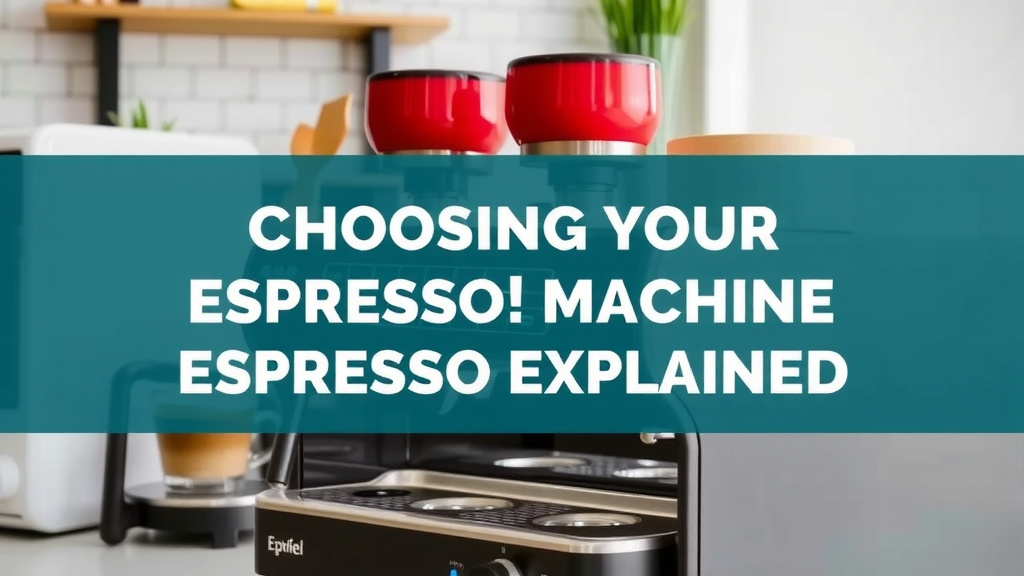
Choosing Your Espresso Machine: Single vs. Dual Boiler Explained
So, you’re ready to bring the magic of espresso home. That’s fantastic! One of the first big decisions you’ll face is choosing between a single boiler and a dual boiler espresso machine. It sounds a bit technical, but it really boils down to how you plan to use your machine and how patient you are in the morning.
Let’s break down what these terms mean and help you figure out which one is your perfect match.
Understanding the Boiler’s Role
At its heart, an espresso machine uses a boiler to heat water. This hot water is then used for two main tasks: brewing your espresso and steaming your milk. The number of boilers directly affects how efficiently your machine can do these two things.
How a Single Boiler Works
A single boiler machine has, you guessed it, just one boiler. This boiler has to do double duty. It heats water to the precise temperature needed for brewing espresso. Then, it needs to heat up even further to create the steam required for frothing milk.
This means you can’t do both at the same time. You’ll either be brewing espresso or steaming milk. If you want to steam milk after pulling a shot, you’ll often need to wait for the machine to heat up more. This is called a “temperature surfing” waiting period.
Pros of a Single Boiler
- Lower Cost: They are generally much more affordable. This makes them a great entry point for many home baristas.
- Simpler Design: With fewer components, they can be easier to understand and sometimes maintain.
- Compact Size: Many single boiler machines have a smaller footprint, which is nice for kitchens with limited counter space.
Cons of a Single Boiler
- Slower Workflow: You have to wait between brewing and steaming. This can be frustrating if you’re making drinks for a group.
- Temperature Fluctuation: Switching between brewing and steaming can sometimes lead to less stable temperatures. This can impact the consistency of your espresso shots.
- Learning Curve: Mastering the timing and temperature surfing can take some practice.
How a Dual Boiler Works
A dual boiler machine has two separate boilers. One boiler is dedicated to heating water for brewing espresso, and the other is solely for generating steam. This setup is like having two specialized tools working together.
Because the boilers are separate, they can operate at different, optimized temperatures simultaneously. This means you can pull a perfect espresso shot and froth milk at the same time, without any waiting. Many experts highlight this as a major advantage for busy households.
Pros of a Dual Boiler
- Speed and Efficiency: You can brew and steam simultaneously. This is a huge time-saver, especially when making multiple drinks.
- Temperature Stability: Each boiler maintains its ideal temperature. This leads to more consistent and high-quality espresso extraction and milk texturing.
- Professional Results: The precise temperature control helps you achieve café-quality results more easily.
Cons of a Dual Boiler
- Higher Price: These machines come with a significantly higher price tag.
- Larger Size: They often take up more counter space due to the two boilers and additional components.
- More Complex: While not overly complicated, they do have more parts than single boiler machines.
A Quick Comparison Table
To make things even clearer, let’s look at a side-by-side comparison:
| Feature | Single Boiler | Dual Boiler |
|---|---|---|
| Boilers | 1 | 2 |
| Simultaneous Brew/Steam | No | Yes |
| Temperature Control | Good, requires waiting | Excellent, very stable |
| Speed | Slower workflow | Much faster workflow |
| Price | More affordable | More expensive |
| Ideal For | Casual home use, single drinks | Frequent milk drinks, entertaining, efficiency |
Who Should Choose a Single Boiler?
If you’re just starting your espresso journey, a single boiler machine is often the perfect fit. You likely make one or two espresso drinks at a time. Maybe you enjoy a simple espresso or a milk-based drink in the morning. You don’t mind waiting a minute or two between steps.
Research shows that for many users, the slightly longer wait times are not a major issue. They appreciate the lower cost and the ability to still make delicious coffee at home. If your budget is a primary concern, or you only plan to make espresso occasionally, a single boiler is likely the way to go.
Who Should Choose a Dual Boiler?
Now, let’s talk about you if you’re a true milk-drink enthusiast or a host who loves making lattes for friends. A dual boiler machine shines here. Do you regularly make cappuccinos, lattes, or flat whites? Do you need to serve multiple people quickly?
The ability to steam milk while pulling your espresso shot is a game-changer. It drastically speeds up your workflow. If you value consistency and want to minimize the learning curve associated with temperature management, a dual boiler is a worthwhile investment. Many baristas find the precision leads to a more enjoyable and repeatable experience. We found that users who entertain frequently highly value this feature.
Making Your Final Decision: A Checklist
To help you solidify your choice, ask yourself these quick questions:
- How many espresso drinks do you typically make at once?
- How often do you make milk-based drinks (like lattes or cappuccinos)?
- Is brewing speed a top priority for your morning routine?
- What is your comfortable budget for an espresso machine?
- Do you want the easiest possible path to consistent results?
- How much counter space do you have available?
Conclusion
Choosing between a single and dual boiler espresso machine hinges on your personal coffee routine and priorities. If you’re a casual drinker who enjoys one or two drinks at a time and appreciate affordability, a single boiler is likely your best bet. It’s a fantastic way to start your home barista journey. For those who frequently craft milk-based drinks for guests or need rapid, consistent results without waiting, a dual boiler is a worthy investment. Consider how many cappuccinos you make on a Saturday morning versus a quiet Tuesday. Make your choice based on what fits your life and your budget best.
Frequently Asked Questions
Can a single boiler machine make good milk drinks?
Yes, a single boiler machine can absolutely make delicious milk drinks. You’ll need to master the technique of “temperature surfing,” which involves waiting for the machine to adjust its temperature between brewing espresso and steaming milk. While it takes a little practice, many home baristas achieve café-quality results with patience.
Is a dual boiler machine worth the extra cost if I only make espresso?
If you primarily make straight espresso shots and rarely steam milk, a dual boiler machine might be overkill. While it offers superior temperature stability for espresso brewing, the main advantage of a dual boiler is simultaneous brewing and steaming. You might be perfectly happy with a good single boiler or even a machine with a heat exchanger for your espresso-only needs.
How long does it typically take to switch between brewing and steaming on a single boiler?
The waiting time can vary depending on the machine, but it’s often between 30 seconds and 2 minutes. You’ll need to let the boiler reheat to a higher temperature for steam. Some machines signal when they’re ready, while others require a bit of guesswork or practice to nail the timing.
Are dual boiler machines harder to maintain than single boiler ones?
Generally, dual boiler machines have more components, which can translate to slightly more complex maintenance. However, for most home users, the difference isn’t dramatic. Regular descaling and cleaning are important for both types. If you’re comfortable with basic upkeep, either type should be manageable.