
How to Use a DeLonghi Espresso: Beginner Guide
Using your DeLonghi espresso machine is easier than you think! You can make delicious espresso drinks at home by following a few simple steps. We’ll guide you through the process so you can enjoy perfect shots every time.
Many people love espresso but find using a machine intimidating. A DeLonghi machine offers a fantastic way to achieve coffee shop quality without the hassle. You’ll soon be a pro at pulling shots and steaming milk for your favorite beverages.
- Prep your machine: Ensure it’s clean and ready.
- Grind your beans: Use fresh, quality coffee.
- Tamp the grounds: Apply even pressure.
- Brew your espresso: Watch for the perfect crema.
- Steam your milk: Create silky smooth texture.
Let’s walk through exactly how to use your DeLonghi espresso machine step by step.
Getting Started with Your DeLonghi Espresso Machine
So, you’ve got a shiny new DeLonghi espresso machine, and you’re ready to brew! Don’t worry, it’s not as complicated as it looks. We’ll walk you through each step, making sure you get that perfect shot of espresso every time. Think of it as learning a new dance – a few key moves, and you’ll be grooving!
Before You Brew: Essential Prep Work
A clean machine is a happy machine. Before you even think about coffee beans, give your DeLonghi a quick once-over. Make sure the water tank is full and the drip tray is empty. This ensures your machine runs smoothly and prevents any unpleasant surprises.
Filling the Water Tank
Use **fresh, cold water** for the best-tasting espresso. Most DeLonghi models have a removable water tank, which makes filling a breeze. Just lift it out, fill it up to the marked line, and pop it back in securely. Avoid using distilled water, as some minerals can help with flavor extraction (National Coffee Association).
Checking the Drip Tray
The drip tray catches any stray water or coffee. It’s usually located at the bottom of the machine. Pull it out, empty any liquid, give it a quick rinse, and slide it back in. This is a simple step, but it keeps your counter clean and your machine functioning properly.
The Heart of the Matter: Preparing Your Coffee Grounds
This is where the magic really begins. The quality of your espresso is directly tied to the quality of your coffee beans and how you prepare them. Let’s get those beans ready for their starring role.
Grinding Your Beans for Espresso
For the best flavor, we highly recommend using **freshly ground coffee beans**. Pre-ground coffee loses its aroma and flavor much faster. You’ll want a fine grind, similar to granulated sugar or even a bit finer. If your grind is too coarse, your espresso will be weak and watery. Too fine, and it might be too bitter or clog the machine.
Many DeLonghi machines have a built-in grinder, which is super convenient. If yours doesn’t, an electric or manual burr grinder is your best friend. Burr grinders give you a more consistent grind size compared to blade grinders, which is key for espresso.
Tamping for the Perfect Puck
Once your coffee is ground, it’s time to tamp it into the portafilter. This is essentially pressing the grounds down to create a dense, even “puck.” Think of it like packing a snowball – you want it firm but not rock-solid.
Insert the portafilter into your grinder or fill it with your grounds. Use the tamper that came with your machine, or a separate one if you have it. Apply **firm, even pressure** straight down. A good rule of thumb is about 30 pounds of pressure, but consistency is more important than hitting an exact number. Give it a gentle twist after tamping to polish the surface.
The goal here is to ensure water flows evenly through the grounds. If one side is tamped harder than the other, the water will find the path of least resistance, leading to an uneven extraction. Many baristas aim for a level surface before tamping.
Brewing Your Delicious Espresso
Now for the moment of truth! It’s time to pull that shot. Your DeLonghi machine will do most of the work, but you still need to guide it.
Locking in the Portafilter
After tamping, you’ll insert the portafilter into the group head of your machine. Make sure it’s locked in **tightly and securely**. You should feel it click into place. If it’s loose, you might get grounds spraying everywhere, and nobody wants that!
Starting the Brew Cycle
Once the portafilter is locked, place your espresso cup underneath. Then, simply press the brew button. Your machine will heat the water to the optimal temperature and force it through the coffee grounds under pressure. This entire process usually takes about 20-30 seconds for a standard double shot.
What you’re looking for is a rich, reddish-brown stream of espresso that slowly turns lighter. You’ll see a beautiful layer of foam on top – that’s called **crema**, and it’s a sign of a good shot!
What to Look For in a Perfect Shot
A well-pulled espresso shot should have a balanced flavor, not too bitter and not too sour. The crema should be thick and persistent, with a hazelnut color. If your shot runs too fast and looks pale, your grind might be too coarse, or you didn’t tamp firmly enough. If it drips out very slowly and is dark, your grind might be too fine, or you tamped too hard. It can take a few tries to dial in your perfect settings, so don’t get discouraged!

The Sweet Finish: Steaming Your Milk
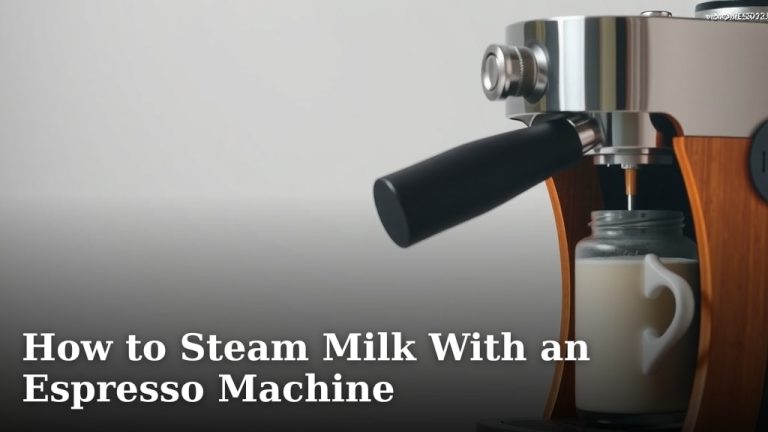
Espresso is fantastic on its own, but many of your favorite drinks, like lattes and cappuccinos, involve steamed milk. Your DeLonghi machine likely has a steam wand for this.
Getting the Steam Wand Ready
Before you start, purge the steam wand by briefly turning on the steam function. This releases any trapped water. You want to aim for hot, dry steam. Then, turn it off.
Steaming and Texturing Milk
Fill a metal milk pitcher with cold milk. Submerge the tip of the steam wand just below the surface of the milk. Turn on the steam. You should hear a gentle hissing sound as air is incorporated, creating foam. Keep the wand near the surface for about 10-20 seconds to create foam. Once you have enough foam, lower the pitcher slightly so the wand is submerged deeper into the milk. This will heat the milk and create a swirling vortex, breaking down larger bubbles into a silky texture.
The milk should be hot, but not boiling. Aim for a temperature around 140-150°F (60-65°C). You can feel the pitcher; when it becomes too hot to comfortably hold for more than a second or two, it’s ready. Many experts suggest using whole milk for the best results, as its fat content helps create a richer, smoother foam (U.S. Dairy).
Cleaning Up After Steaming
Immediately after steaming, wipe the steam wand with a damp cloth. Then, purge the wand again by turning on the steam for a few seconds. This prevents milk from drying inside the wand, which can clog it and make cleaning difficult.
A Quick Checklist for Your Next Brew
- Ensure water tank is full and fresh.
- Use freshly ground, quality coffee beans.
- Tamp grounds evenly and firmly.
- Lock portafilter securely into the group head.
- Wipe and purge steam wand after use.
- Enjoy your delicious homemade espresso drink!
Conclusion
You’ve now learned the essential steps to mastering your DeLonghi espresso machine. From preparing your water and grounds to tamping and brewing that perfect shot, you’re well on your way. Don’t forget the art of steaming milk for those creamy lattes and cappuccinos. Remember, practice makes perfect! Keep these steps in mind for consistent results. Your next step is simple: grab your favorite beans and brew your first delicious espresso drink today.
Frequently Asked Questions
How fine should my coffee grounds be for DeLonghi espresso?
You’ll want a fine grind, similar to granulated sugar or slightly finer. Too coarse, and your espresso will be weak. Too fine, and it might taste bitter or clog the machine. Experimenting slightly with your grinder setting is key.
What’s the best type of water to use in my DeLonghi machine?
Always use fresh, cold water in your DeLonghi’s water tank. While some minerals help flavor, avoid distilled water. Filtered tap water is often a great choice, ensuring good taste and machine health.
My espresso shot is pulling too fast or too slow. What could be wrong?
If it’s too fast and pale, your grind might be too coarse, or you didn’t tamp firmly enough. If it’s too slow and dark, your grind may be too fine, or you tamped too hard. Adjusting grind size and tamping pressure are your main tools here.
How often should I clean my DeLonghi espresso machine?
Regular cleaning is essential for taste and longevity. You should wipe down the steam wand immediately after each use and purge it. Empty and rinse the drip tray daily. A more thorough cleaning of the brew group and descaling should be done regularly as per your machine’s manual.