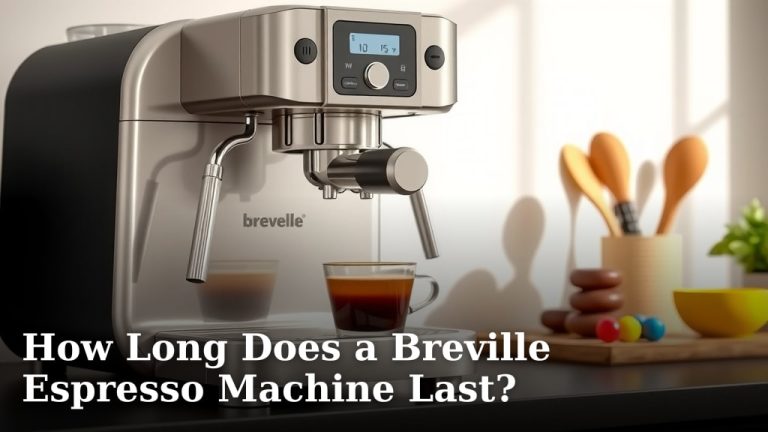

How Long Does an Espresso Machine Last?
Your espresso machine can last between 5 to 15 years, depending on its quality and how you care for it. Think of it like a car; a well-maintained one will keep running smoothly for a long time. Even high-end machines can last longer with proper upkeep.
The lifespan of your espresso maker is influenced by several factors. We found that regular cleaning, using filtered water, and performing descaling are key. Machine type also plays a role, with commercial-grade units often outlasting home models. Many experts agree these steps prevent wear and tear.
- Lifespan varies: 5-15 years is typical.
- Key factors: Quality, maintenance, water type.
- Regular cleaning is vital for longevity.
- Descaling prevents mineral buildup.
- Higher quality machines generally last longer.
Ready to keep your espresso machine humming happily for years to come? Below, we break down exactly what goes into making your machine last as long as possible.
Understanding Your Espresso Machine’s Lifespan
So, how long can you realistically expect your trusty espresso machine to brew up those perfect shots? We found that most home espresso machines can last anywhere from 5 to 15 years. It really boils down to a few key things: the initial quality of the machine and how well you treat it.
Think of it like caring for a beloved pet or a classic car. With consistent, proper care, it’ll be with you for a good long while. Even a more budget-friendly machine can surprise you with its longevity if you give it the attention it deserves.
Factors That Impact How Long Your Machine Will Last
Several factors play a role in determining the lifespan of your espresso maker. It’s not just about the brand name; it’s about the daily habits you form and the environment your machine lives in.
Machine Quality and Build
The materials used and the overall construction quality are big indicators. Machines built with durable metals, solid internal components, and fewer plastic parts tend to withstand the test of time better. Higher-end machines often invest more in these robust materials.
Type of Espresso Machine
The type of machine you own makes a difference too.
| Machine Type | Typical Lifespan | Notes |
|---|---|---|
| Manual/Lever Machines | 10+ years | Fewer electronics mean fewer failure points. |
| Semi-Automatic Machines | 5-15 years | Most common for home use, lifespan varies by build. |
| Automatic/Super-Automatic Machines | 3-10 years | More complex electronics and integrated grinders can reduce lifespan. |
| Commercial-Grade Machines | 10-20+ years | Built for heavy use with superior durability. |
Commercial machines, designed for heavy daily use, are built with superior durability. They often use metal components and have easier access for repairs, leading to a much longer service life.
Usage Frequency and Habits
How often do you use your machine? A machine used once a week will naturally last longer than one used multiple times a day. Your brewing habits also matter. Are you careful with your machine, or is it often left on for long periods or subject to accidental bumps?
The Power of Proper Maintenance: Your Machine’s Best Friend
This is where you have the most control over your machine’s lifespan. Regular maintenance is non-negotiable. We found that consistent care prevents minor issues from becoming major, costly repairs.
Daily Cleaning Routines
After each use, take a moment to rinse your portafilter and group head. Wiping down the steam wand immediately after frothing milk is also essential. This prevents coffee oils and milk residue from building up and hardening, which can clog parts and affect taste.
Weekly Cleaning Tasks
Once a week, a more thorough cleaning is beneficial. This usually involves backflushing the group head with water and a mild cleaning solution. If you have a super-automatic machine with a brew group, remove and rinse it according to the manufacturer’s instructions. Keeping the drip tray and water reservoir clean is also important.
Monthly and Bi-Annual Tasks
Monthly, you might want to clean your shower screen more thoroughly. Every few months, depending on your water hardness, you’ll need to descale your machine. This is probably the single most important maintenance task for preventing internal damage.
Water Quality: The Unsung Hero of Longevity
The water you use in your espresso machine is incredibly important. Tap water, especially in areas with hard water, contains minerals like calcium and magnesium. These minerals build up over time, forming scale.
The Problem with Hard Water and Scale
Scale buildup acts like a clog. It can restrict water flow, cause the heating element to work harder and eventually fail, and even damage internal pumps and pipes. This is why many manufacturers strongly recommend using filtered water.
We found that using filtered or demineralized water can dramatically extend the life of your machine. It significantly reduces the rate of scale formation. Think of it as giving your machine a clean diet.
Using Filtered Water
Investing in a good water filter for your tap or using a quality water filter pitcher can make a huge difference. Some machines even have built-in water filters that need regular replacement. Always refer to your machine’s manual for specific water recommendations (Cleveland Clinic).
Descaling: Banishing Mineral Buildup
Even with filtered water, some mineral deposits can form over time. Descaling is the process of removing these internal mineral deposits. Most manufacturers recommend descaling every 1 to 3 months, depending on water hardness and machine usage.
How to Descale Your Machine
Descaling typically involves running a descaling solution (often a citric acid-based product) through the machine’s water system. Always follow your machine’s specific descaling instructions. Using the wrong solution or method can damage your espresso maker.
Skipping descaling is a fast track to internal damage. We found that machines that are regularly descaled tend to operate more efficiently and last much longer. It’s like getting your arteries cleaned!

Recognizing Signs of Wear and Tear
Pay attention to how your machine is performing. Are your shots pulling slower? Is the steam wand less powerful? Is there any unusual noise?
Common Indicators of Issues
These could be early signs of scale buildup or a component starting to wear out. Addressing these small issues promptly can prevent them from escalating. For example, a sluggish pump might just need cleaning, or it could be a sign of impending failure.
When to Consider Repair or Replacement
If your machine is consistently underperforming, leaking, or making strange noises, it might be time to consult a repair professional or consider a replacement. For older machines with significant wear, the cost of repairs might outweigh the benefit.
It’s a tough decision, but sometimes, a new machine, even an entry-level one, might offer better performance and reliability than a heavily worn-out older model. However, for many, a well-maintained machine is worth the investment in repairs.
Your Espresso Machine Longevity Checklist:
- Daily: Rinse portafilter & group head; wipe steam wand.
- Weekly: Backflush with water/cleaner; clean drip tray.
- Water: Always use filtered or demineralized water.
- Descaling: Follow manufacturer’s schedule religiously.
- Listen: Pay attention to unusual noises or performance changes.
- Manual: Keep your owner’s manual handy for cleaning instructions.
Conclusion
Your espresso machine’s lifespan is largely in your hands. By understanding the factors influencing its longevity—from build quality to your daily habits—you can significantly extend its brewing life. Consistent maintenance, especially regular cleaning and using filtered water, are your most powerful tools. Descaling is your machine’s best defense against internal damage. Pay attention to how your machine performs and address minor issues promptly. With this care, you can enjoy delicious espresso for many years to come, making your machine a long-term kitchen companion.
Frequently Asked Questions
How often should I descale my espresso machine?
You should aim to descale your machine every 1 to 3 months. The exact frequency depends on how often you use it and the hardness of your water. Your machine’s manual will offer the most specific guidance for your model.
Can I use regular tap water in my espresso machine?
While you can use tap water, it’s not recommended for the long-term health of your machine. Tap water contains minerals that build up as scale, leading to clogs and potential damage. Using filtered or demineralized water is best.
What are the first signs that my espresso machine needs maintenance?
Watch for slower shot pulling times, reduced steam power, or unusual noises during operation. These can indicate scale buildup or a component beginning to wear out. Addressing these early can prevent bigger problems.
Are more expensive espresso machines guaranteed to last longer?
Higher-quality machines often use more durable materials and robust construction, which can contribute to a longer lifespan. However, even an expensive machine won’t last long without proper, consistent maintenance from you.