
The Perfect Pour: How Do You Make an Americano with an Espresso Machine?
Have you ever wondered why coffee shops charge premium prices for an Americano when it seems like such a simple drink? The truth is, there’s a lot more going on beneath the surface than meets the eye. Making a proper Americano isn’t just about pushing buttons on a machine – it’s an art form that requires understanding your equipment, technique, and timing.
Whether you’re a coffee enthusiast looking to master your home espresso machine or someone simply tired of overpaying for coffee at cafes, this guide will walk you through everything you need to know about crafting the perfect Americano. Let’s dive in and transform you from a casual coffee drinker into someone who genuinely understands this classic beverage.
Understanding What Makes an Americano Different
Before we get our hands on that espresso machine, let’s talk about what an Americano actually is. Many people confuse it with drip coffee, but they’re fundamentally different drinks. An Americano is essentially espresso diluted with hot water. The key distinction lies not just in the ingredients, but in how they’re combined and the flavor profile that results.
Think of it this way: if regular coffee is like a gentle breeze, an Americano is like a strong wind that’s been softened. You get the intensity and body of espresso without the overwhelming heaviness. This balance is what makes it so appealing to millions of coffee drinkers worldwide.
The Origin Story: Why the Americano Was Born
The Americano has an interesting history that connects American soldiers, Italian coffee culture, and post-World War II coffee innovation. During the 1940s, American soldiers stationed in Italy discovered espresso but found it too intense for their taste preferences. Rather than reject Italian coffee culture entirely, they began adding hot water to their espresso shots, creating a drink that satisfied their desire for a longer, more approachable coffee experience.
This pragmatic adaptation became legendary, and today, the Americano is served in virtually every coffee shop on the planet. Understanding this history helps you appreciate why making one properly matters – it’s about respecting a beverage with real cultural significance.
Essential Equipment You’ll Need
To make a quality Americano at home, you don’t need a fancy setup, but you do need the right tools. Let me break down what’s absolutely necessary versus what’s nice to have.
Must-Have Equipment
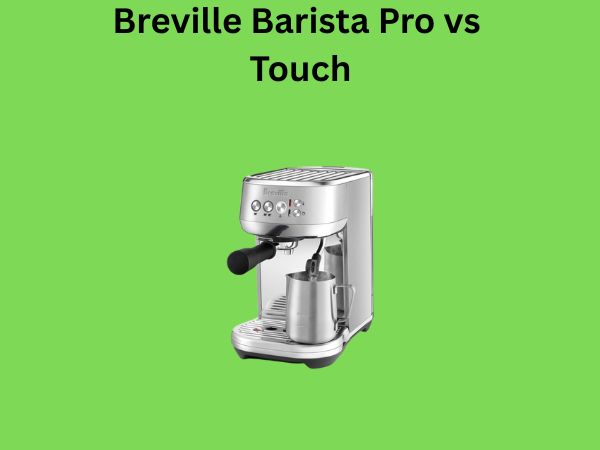
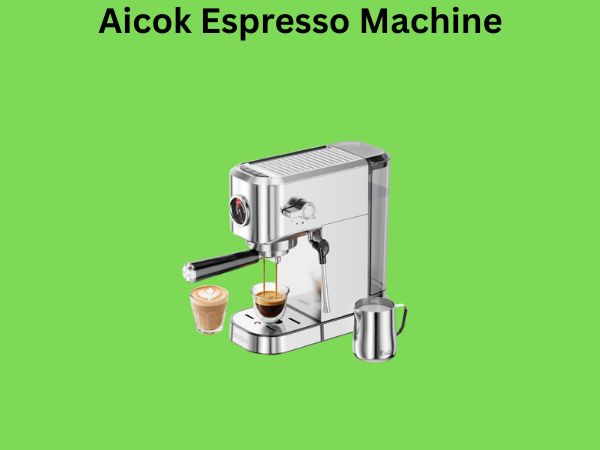
- An espresso machine: This is non-negotiable. You need either a semi-automatic, automatic, or super-automatic machine. Manual lever machines work too, but they require more skill.
- A burr grinder: Never use pre-ground espresso if you can help it. A burr grinder lets you adjust particle size precisely, which is crucial for proper extraction.
- A tamper: This compresses your espresso grounds to ensure even water flow. Most machines come with one, but you might want to upgrade.
- A scale: Digital scales help you measure water and espresso accurately, removing guesswork from the equation.
- Fresh water: Always use filtered water to avoid mineral buildup in your machine and to ensure better tasting coffee.
- A coffee cup: Ceramic or glass works best – it retains heat and lets you see your beautiful creation.
Nice-to-Have Additions
While not essential, these items can significantly improve your Americano-making experience. A milk thermometer helps if you ever want to add steamed milk. A knockbox makes disposing of used grounds cleaner. A timer ensures you’re extracting for the right duration. An espresso distribution tool helps level your grounds before tamping. And a milk pitcher, even if you’re not using milk, is useful for pouring hot water precisely.
Selecting the Right Coffee Beans
The quality of your Americano starts with the quality of your beans. You can’t make a great drink from mediocre coffee, no matter how perfect your technique is.
What Bean Characteristics Matter?
For Americanos specifically, you’ll want beans that are roasted medium to dark. These beans develop more body and bold flavors that can stand up to dilution with hot water. Light roasts, while trendy, often get lost when water is added. The acidity becomes too sharp, and the delicate notes you paid for disappear entirely.
Look for beans labeled as espresso blends. These are specifically formulated to perform well under the high pressure of espresso machines. Single-origin beans can work beautifully too, but they require more experimentation to dial in properly. Choose beans that have been roasted within the last two to three weeks – they’re at their flavor peak during this window.
Freshness Is Everything
Stale coffee is the enemy of exceptional Americanos. Coffee begins losing its aromatic compounds as soon as it’s roasted. Within two weeks, the flavor degradation becomes noticeable. Within a month, your coffee tastes flat and lifeless. Buy smaller quantities more frequently rather than stockpiling beans in your pantry.
Store your beans in an airtight container away from sunlight, heat, and moisture. Your freezer might seem like a good idea, but temperature fluctuations can cause condensation that damages the beans. A cool, dark cupboard is actually better.
Step-by-Step: The Espresso Shot Foundation
Creating the perfect Americano begins with extracting a perfect espresso shot. This is where most home baristas stumble, so let’s break it down into manageable steps.
Preparing Your Machine
Start by running water through your group head for a few seconds without the portafilter attached. This flushes out old coffee residue and water that’s been sitting in the pipes. Next, insert your clean, dry portafilter into the group head without any basket inside. Run water through it briefly, then dry it thoroughly with a clean cloth. This heating and drying process ensures your espresso starts extracting at the correct temperature and ensures no unnecessary moisture dilutes your shot.
Grinding Your Beans
Grind your coffee just before pulling your shot. For a single espresso shot (about 1 ounce), you’ll need roughly 18 grams of ground coffee. For a double shot (about 2 ounces), use about 18 to 20 grams. These aren’t arbitrary numbers – they’re based on standard espresso ratios that produce balanced extraction.
The grind consistency is absolutely critical. Espresso requires a fine, uniform grind, but not powder-fine. If your grind is too coarse, water rushes through too quickly, and you get sour, under-extracted espresso. Too fine, and water can’t flow through properly, resulting in bitter, over-extracted shots. You want something that resembles damp sand or wet beach sand.
Dosing and Tamping
Pour your ground coffee into the portafilter basket. Distribute it evenly by tapping the sides gently or using a distribution tool. Now comes the tamping – the part that intimidates many beginners but shouldn’t.
Hold your tamper level and press down with moderate, steady pressure – not arm-crushing force, but not feather-light either. Around 30 pounds of pressure is ideal, though honestly, consistency matters more than exact pressure. Tamp straight down, not at an angle. A crooked tamp creates an uneven surface where water flows faster through some areas than others, compromising extraction.
Extracting the Shot
Insert your portafilter into the group head and start the pump. You should see espresso flowing from the spout within about 5 to 8 seconds. If nothing flows for 15 seconds, your grind is too fine. If it flows immediately, it’s too coarse. The initial phase, called the pre-infusion, allows water to fully saturate all the grounds before pressure builds significantly.
A proper single shot takes about 25 to 30 seconds to extract. A double shot takes 25 to 35 seconds. Time is your guide – if it happens too quickly, your shot is weak and sour. If it takes too long, it becomes bitter and harsh. You’re looking for that sweet spot where the espresso flows at about the speed of honey, dark and glossy, into your cup.
The Water Heating Process
While your espresso is extracting, you need to prepare your water. This step is often overlooked, but it’s absolutely essential to making a great Americano.
Water Temperature Matters More Than You Think
The water you add to your espresso should be hot but not quite boiling. Ideal temperature is between 195 and 205 degrees Fahrenheit. Water that’s too hot can scald your espresso, making it taste burnt and unpleasant. Water that’s not hot enough will cool down your drink too much, and you’ll end up with a lukewarm beverage instead of something warm and comforting.
Many espresso machines have a built-in hot water dispenser – this is perfect for your Americano. If yours doesn’t, you can use the espresso machine’s group head to heat water, or you can simply boil water in a kettle and let it sit for about 30 seconds before using it.
How Much Water Should You Use?
A traditional Americano uses a 1:1 ratio of espresso to water. So if you have a double shot that yields 2 ounces of espresso, you’d add 2 ounces of hot water. However, many people prefer a 1:2 ratio – double the water to espresso – which creates a lighter, longer drink. Some prefer 1:1.5 ratios. There’s no single correct answer; it depends on your personal preference and the intensity level you enjoy.
Here’s a pro tip: add espresso to water, not water to espresso. This is called the “lungo” method, and it creates a more balanced drink. Adding water to espresso can cause the crema to break down too quickly and can result in a less cohesive flavor profile.
Putting It All Together: The Final Pour
You’ve extracted your espresso and heated your water. Now comes the moment where you transform these two components into something greater than their sum.
The Pouring Technique
Pour your hot water into your cup first. This might seem counterintuitive, but it sets the stage perfectly. Fill your cup about halfway with hot water – this ensures proper temperature distribution. Now, slowly pour your freshly extracted espresso into the hot water. Watch as the dark espresso ribbons through the lighter water, creating a beautiful gradient of brown tones.
If you’ve pulled your espresso correctly, it should have a layer of crema on top – that thin, reddish-brown foam. This crema is flavorful and aromatic, so you want to preserve it as much as possible when combining your drink. Pour smoothly and steadily rather than dumping the espresso in all at once.
Achieving the Perfect Temperature
Your finished Americano should be hot enough to enjoy slowly but not so hot that it burns your mouth. Most people find the ideal temperature to be around 160 to 170 degrees Fahrenheit. If your drink is cooling down while you’re making it, you can warm your cup beforehand by rinsing it with hot water and drying it just before use.
Troubleshooting Common Americano Problems
Even experienced baristas occasionally encounter issues. Let’s walk through the most common problems and their solutions.
Your Espresso Tastes Sour
Sour espresso indicates under-extraction – the water passed through your grounds too quickly without fully dissolving all the flavorful compounds. Solutions include: grinding finer, using more coffee in your portafilter, tamping harder, or checking that your machine’s pressure is adequate (should be around 9 bars).
Your Espresso Tastes Bitter
Bitterness signals over-extraction – water spent too long in contact with your grounds, pulling out harsh compounds. Try: grinding coarser, using less coffee, tamping lighter, or reducing your extraction time. Also ensure your machine isn’t running hotter than necessary.
Espresso Flows Too Quickly
Your grind is too coarse or your tamp isn’t firm enough. Adjust your grinder to produce a finer texture, or practice applying more consistent pressure when tamping. Also check that your portafilter basket isn’t damaged or cracked.
Espresso Flows Too Slowly or Stops Entirely
Your grind is too fine or your tamp is too hard. Coarsen your grind slightly and ease up on tamping pressure. If this doesn’t help, your machine might need cleaning – mineral buildup in the shower screen or group head restricts flow.
Your Americano Is Lukewarm
Your water temperature is too low or your espresso has cooled before combining. Use boiling water and ensure you’re pulling your shot immediately before adding water. Pre-warming your cup helps significantly too.
Pro Tips for Consistent Excellence
Here are some habits that separate casual Americano makers from true enthusiasts.
Keep Detailed Notes
Record your doses, grind settings, extraction times, and water temperatures. Over time, patterns emerge that help you consistently reproduce great results. You’ll notice that a particular grind setting works beautifully with certain beans, or that pulling shots at exactly 27 seconds produces your preferred flavor profile.
Clean Your Machine Regularly
Run water through your group head after each shot. Back-flush your portafilter (if your machine has a 3-way solenoid valve) to remove residual grounds. Once weekly, soak your portafilter and baskets in espresso cleaning powder to dissolve any oil buildup. Monthly, run cleaning powder through your group head itself. A clean machine produces better tasting coffee, period.
Use a Scale for Precision
Measuring by weight rather than eyeballing ensures consistency. Weigh your ground coffee before pulling the shot. Weigh your espresso output – a double shot should be between 1.8 and 2.2 ounces. Consistency is the foundation of reproducibility.
Experiment with Ratios
Don’t assume 1:1 espresso to water is perfect for you. Try 1:1.5 and 1:2 ratios. Try adding water first versus espresso first. Try different temperatures. Your perfect Americano is personalized to your taste preferences, and the only way to find it is through experimentation.
Understanding Espresso Machine Types
Different machines require slightly different approaches. Let’s briefly explore the main categories so you can apply this guide to your specific equipment.
Semi-Automatic Machines
These are the most common home machines. You control the pump by pressing a button – holding it down pumps water through your grounds. This gives you maximum control over extraction time and is ideal for learning. The guide above applies directly to semi-automatics.
Automatic Machines
These machines have programmable buttons that automatically stop water flow after a preset time or volume. You still grind and tamp manually, but the machine handles the pump. You might have less flexibility in adjusting extraction time, but consistency is easier to achieve.
Super-Automatic Machines
These machines handle everything – grinding, tamping, and extraction. You simply insert beans, press a button, and wait. Super-automatics can produce decent Americanos, though they offer minimal control and less learning opportunity