Breville Barista Pro vs Touch: A Complete Comparison Guide for Espresso Enthusiasts
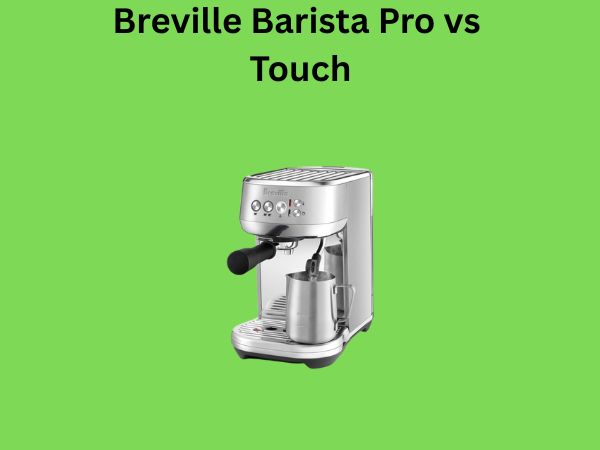
If you’re standing in front of two sleek espresso machines trying to figure out which one deserves a spot on your kitchen counter, you’re not alone. The Breville Barista Pro and Breville Barista Touch are both impressive machines that have captured the hearts of home espresso lovers, but they’re not identical twins. Think of them more like cousins who share similar DNA but have developed their own unique personalities over the years.
In this comprehensive guide, I’ll walk you through everything you need to know about these two machines so you can make an informed decision that matches your coffee dreams and your budget.
Understanding the Breville Barista Lineup
Before we dive into the nitty-gritty details, let’s talk about why Breville has become such a trusted name in home espresso. The company has spent years perfecting their craft, and both the Barista Pro and Barista Touch represent the pinnacle of accessible home espresso technology. They’re not professional-grade machines that cost as much as a used car, but they’re definitely not toys either.
What Makes These Machines Special?
Both machines sit in that sweet spot where serious coffee enthusiasts and beginners can find common ground. They’ve got enough features to satisfy someone who knows their way around espresso, but they’re also forgiving enough for someone just starting their espresso journey. It’s like having a coach who can work with athletes at any level.
The Breville Barista Pro: The Original Game Changer
The Barista Pro has been around for several years now, and it’s earned a loyal following. This machine revolutionized the home espresso scene when it hit the market because it brought genuine café-quality espresso within reach of everyday people.
Key Features of the Barista Pro
- Integrated conical burr grinder built right into the machine
- Fast heat-up time of just 3 seconds
- Manual steam wand for milk frothing
- Precise temperature control with PID technology
- 15-bar Italian pump for authentic espresso extraction
- Single and double shot baskets included
The Grinding System
One of the most brilliant aspects of the Barista Pro is its integrated grinder. You’re not fumbling around with a separate grinder sitting next to your machine taking up counter space. The burrs are conical, which means they produce a more consistent grind than blade grinders. Consistency in your grind is absolutely crucial when you’re trying to pull a quality espresso shot.
Temperature Control Technology
The Barista Pro uses ThermoJet heating system combined with PID temperature control. What does this mean in practical terms? Your water gets heated to the exact temperature needed for extraction in seconds, and it stays there. No more guessing whether your machine is actually ready or if you’re about to pull a shot into lukewarm water.
The Steam Wand Experience
Here’s where things get real. The Barista Pro has a traditional manual steam wand. This means you’re in control. You’re learning the actual craft of steaming milk, feeling the resistance, understanding when to move the pitcher up and down. For some people, this is exactly what they want. For others, it’s a learning curve that can be frustrating.
The Breville Barista Touch: The Modern Revolution
Fast forward a few years, and Breville released the Barista Touch. This machine takes everything good about the Pro and adds a layer of modern convenience that makes espresso more accessible than ever before.
Key Features of the Barista Touch
- Same integrated conical burr grinder as the Pro
- Automatic milk frothing system with microfoam technology
- Digital touchscreen interface for easy operation
- 3-second heat-up time like the Pro
- PID temperature control
- 15-bar Italian pump
- Manual steam wand option available
- Programmable single and double shots
The Game-Changing Milk Frothing System
The automatic milk frothing on the Barista Touch is genuinely impressive. You insert a pitcher of cold milk, select your drink preference on the touchscreen, and the machine does the rest. It heats, froths, and dispenses milk automatically. This doesn’t mean the milk quality is inferior to manually steamed milk. It means that even someone who’s never steamed milk before can get consistently good results every single time.
The Touchscreen Interface
Instead of fiddling with buttons and dials, the Barista Touch gives you a clear, intuitive digital display. You can see exactly what’s happening, adjust settings easily, and even save your preferred shot parameters. It’s like upgrading from an old flip phone to a smartphone in terms of user experience.
Flexibility in Milk Preparation
Here’s something important: the Barista Touch actually includes both the automatic milk system AND a manual steam wand. So if you want to practice your milk steaming skills or you’re just feeling nostalgic for the Pro’s manual approach, you can do that too. You get the best of both worlds.
Price Comparison: What’s the Financial Difference?
Let’s talk money because this matters. The Barista Pro typically costs less than the Barista Touch. You’re looking at a price difference of several hundred dollars, which isn’t insignificant when you’re making a major kitchen appliance purchase.
Is the Touch Worth the Premium?
Whether the extra investment makes sense depends entirely on how you use the machine. If the automatic milk frothing will mean you actually use your espresso machine daily instead of it becoming an expensive decoration, then yes, absolutely. If you’re someone who genuinely enjoys the hands-on process of steaming milk and sees it as part of the coffee ritual, then the Pro offers incredible value.
Design and Aesthetics: Looking Good in Your Kitchen
Both machines look professional and stylish. They’re compact enough to fit on most counters without dominating the space, yet they’re substantial enough to feel like real equipment, not a toy.
Compact Footprint
The Barista Pro measures roughly 8.7 by 12.2 by 9 inches, while the Touch is virtually identical in size. This is one of the great advantages of both machines. You don’t need a huge coffee bar setup. These fit nicely between your toaster and your blender.
Visual Design Elements
The Barista Touch has a slightly more modern aesthetic with its digital display front and center. The Pro looks a bit more traditional with its button layout. Neither is ugly, but if you’re someone who cares about kitchen décor, the Touch might align better with a contemporary aesthetic.
Ease of Use: Which Machine Is More Beginner-Friendly?
This is probably the most important question you need to answer for yourself. How much do you want to learn, and how much do you want the machine to do the learning for you?
The Pro’s Learning Curve
The Barista Pro requires you to be more hands-on. You’re tamping the grounds, managing the steam wand, timing your shots. There’s definitely a learning curve here. Your first cups of espresso might taste like disappointment. But here’s the thing: that learning process is also incredibly rewarding. Many espresso enthusiasts prefer this because they feel like they’ve earned their excellent coffee.
Skills You’ll Need to Develop
- Proper tamping technique and pressure application
- Reading your grinder settings and adjusting on the fly
- Timing your shots correctly
- Milk steaming technique with temperature awareness
- Understanding extraction and how variables affect taste
The Touch’s Simplified Experience
The Barista Touch is designed for people who want to skip straight to enjoying excellent espresso. The automatic milk system means no learning curve there. The grinder still requires you to adjust settings, but the digital interface makes this clearer and easier to understand. You can make a fantastic cappuccino on your first try with the Touch.
Grinder Performance: The Foundation of Great Espresso
Let me be clear about something: the quality of your grind is absolutely fundamental to espresso quality. A bad grind ruins everything else. Both machines have the same grinder, so this is actually a tie.
Burr Quality and Consistency
The conical burrs in both machines are professional-grade. They produce a grind consistency that’s suitable for espresso extraction. You won’t get wild variation between shots because your grounds are inconsistent. That’s huge for someone trying to improve their espresso.
Adjustability and Precision
Both grinders allow for fine adjustments to dial in your perfect extraction. The difference is that on the Pro, you’re working with a knob and learning through trial and error. On the Touch, the digital interface shows you numerically what adjustments you’re making, which can speed up the learning process considerably.
Espresso Extraction: The Heart of the Matter
When you’re actually pulling shots, what’s the difference between these machines?
Pump Pressure and Power
Both machines use a 15-bar Italian pump. This is the force behind pushing hot water through your grounds. For quality espresso extraction, you want around 9 bars of actual pressure at the group head. Both machines deliver this, so they’re equal here.
Temperature Stability
The PID temperature control on both machines is sophisticated. Your water temperature remains stable throughout the extraction. This consistency is what separates good espresso from mediocre espresso. You’re not fighting fluctuating temperatures.
Real-World Performance
In my experience, if you dial in both machines correctly with the same beans, you’ll get virtually indistinguishable espresso. The magic isn’t in the machine at this level, it’s in your technique and understanding of variables.
Milk Steaming: Where These Machines Diverge Most
This is really where you see the personality differences between these two machines.
The Pro’s Manual Steam Wand
Manual steaming is an art form. You’re learning to feel the milk changing, understanding when to submerge the tip versus when to aerate. You’re controlling the temperature by feel and listening to the sound. It’s physical, engaging, and deeply satisfying once you master it.
The Challenge
It takes practice. Real practice. We’re talking dozens of pitchers of milk before you consistently produce velvety microfoam. Many people find this frustrating initially, especially if they’re used to instant results in other areas of life.
The Touch’s Automatic System
Push a button, walk away, come back to perfect microfoam. The machine does the work. Is it as tactile and engaging as manual steaming? No. Is it more convenient? Absolutely. Is the milk quality actually good? Yes, it genuinely is.
The Hybrid Approach
Remember, the Touch also has a manual wand if you want it. So you get the convenience of automation for your daily cappuccinos, but the option to practice manual steaming when you’re feeling patient.
Water and Maintenance: Keeping Your Machine Happy
Both machines require regular maintenance to stay in peak condition. This isn’t a difference between them, but it’s important context.
Descaling Requirements
You need to descale both machines regularly. Hard water means more frequent descaling. Soft water means less. The Barista Touch might have a slight edge here because the digital display can remind you when descaling is due.
Portafilter and Basket Cleaning
Both use the same type of accessories and require similar cleaning routines. Daily purging of the group head, regular backflushing, and soaking baskets and portafilters keeps everything working smoothly.
Shot Quality and Consistency: Does One Win?
Here’s what I need to tell you honestly: in the hands of someone who knows what they’re doing, both machines produce excellent espresso. The limiting factor isn’t the machine, it’s the operator. With proper technique and good beans, you’ll get genuinely café-quality shots from either one.
Variables You Control
- Bean selection and freshness
- Grind consistency and size
- Tamping pressure and technique
- Shot timing and extraction
- Water quality
Master these variables, and you’ll get amazing espresso regardless of whether you chose the Pro or the Touch.
Long-Term Value and Durability
Both machines are built solidly. You’re not buying something that will fall apart in a year. Breville has a solid reputation for durability, and these machines reflect that commitment.
Parts Availability
Both machines have easily available replacement parts. If your steam wand ever gets damaged, you can replace it. If a seal wears out, you can get a new one. This is important for long-term ownership satisfaction.
Warranty Coverage
Breville typically offers a one-year warranty on these machines. For the price point, that’s reasonable. Beyond that, you’re looking at repairs at your own expense, though major failures are relatively uncommon with proper maintenance.
Making Your Decision: Pro or Touch?
So how do you actually choose between these two excellent machines?
Choose the Pro If You:
- Want to save money upfront
- Enjoy hands-on learning and process
- Find the manual steaming ritual appealing
- Have limited counter space and want the absolute smallest option
- Don’t mind spending time mastering technique
- Value the tactile, physical connection to coffee making
Choose the Touch If You:
- Want consistency and convenience in milk drinks
- Are a beginner who wants to learn without frustration
- Make milk-based drinks every single day
- Value the digital interface and ease of adjustments
- Want to impress guests with consistently great drinks
- Have money in your budget for the premium features
- Want the flexibility of both automatic and manual options
Consider Your Daily Routine
If you’re the type who makes a quick cappuccino before rushing to work, the Touch’s automation might be life-changing. If you’re someone who savors the entire espresso-making process on weekend mornings, the Pro’s hands-on approach might bring you more joy.
Conclusion
The Breville Barista Pro and Br