

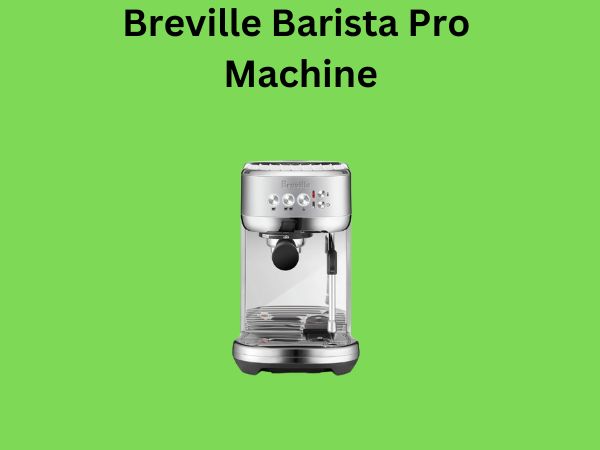
Breville Barista Pro Espresso Machine: How to Use It Step by Step
If you’ve just unboxed your shiny new Breville Barista Pro espresso machine, you’re probably feeling a mix of excitement and maybe a little intimidation. I get it—espresso machines can look complicated with all those buttons, dials, and steam wands. But here’s the good news: the Barista Pro is actually one of the most user-friendly machines out there, and I’m going to walk you through everything you need to know to pull that perfect shot.
Whether you’re a complete beginner or someone who’s dabbled with espresso before, this guide will transform you from a nervous newbie into someone who can confidently operate their machine like a pro. Let’s dive in.
Understanding Your Breville Barista Pro Machine
The Breville Barista Pro is like the reliable friend who shows up to the party with everything you need. It’s a semi-automatic espresso machine, which means you control when the water flows, but it does some of the hard work for you. This strikes the perfect balance between automation and hands-on control, making it ideal for home baristas who want to learn and improve without pulling their hair out.
What Makes This Machine Special?
This machine comes with a built-in grinder, which is honestly a game-changer. You don’t need to buy a separate grinder and then figure out how to dial in your shots. Everything is integrated, which means less clutter in your kitchen and more convenience. The integrated PID temperature control keeps your water at precisely the right temperature, eliminating the guesswork that plagues cheaper machines.
Getting Your Machine Ready for Action
The Initial Setup Process
Before you even think about making coffee, you need to set up your machine properly. Start by removing it from the box and finding a stable spot on your counter. This machine isn’t light, so you want it somewhere it won’t tip over. Make sure there’s enough space around it for you to steam milk and move the portafilter in and out comfortably.
Next, fill the water tank. Locate the removable water tank at the back of the machine and fill it with fresh, filtered water. I can’t stress this enough—use filtered water, not tap water. Tap water contains minerals that’ll build up inside your machine faster than you can say “descale,” and trust me, nobody wants to descale their machine any sooner than necessary.
Running Water Through the Machine
Before you make your first cup, you need to flush the system. This removes any dust or particles that might be hanging around from the manufacturing process. Insert the single basket into the portafilter, lock it into the group head, and turn on the machine. Let water flow through for about 10 seconds, then turn it off. Repeat this a few times until the water runs clear.
Now do the same with the shower screen—that’s the perforated part that water comes out of. This ensures everything is clean and ready to deliver you some delicious espresso.
Mastering the Grinder Function
Why Grinding Matters So Much
Here’s something that took me way too long to understand: the quality of your grind is absolutely crucial. A bad grind can ruin even the finest beans. The Breville’s integrated grinder is actually quite good, but you need to know how to use it properly.
Espresso requires a fine, consistent grind. Think of it like sand, not sugar. If your grind is too coarse, water will flow through too quickly and your shot will be weak and sour. If it’s too fine, water will move too slowly and your shot will taste bitter and harsh. Finding that sweet spot is your mission.
How to Adjust Grind Settings
The Breville has a dial on the side that lets you adjust the grind size. You’ll see numbers ranging from fine to coarse. For espresso, you’re typically looking at somewhere in the middle-to-fine range, but the exact setting depends on your specific beans and preferences.
Here’s my recommendation: start with a grind setting around 4 or 5 on the dial. Grind some beans and try pulling a shot. If the water flows through too quickly (finished in less than 25 seconds), make the grind finer by turning the dial to a lower number. If it’s flowing too slowly (taking more than 35 seconds), go coarser by increasing the number.
The Trial and Error Process
Don’t expect to nail the perfect grind on your first try. This is where patience becomes your best friend. You might make five or six shots before finding your ideal setting. Each time, taste the result and think about what needs to change. This hands-on learning is actually one of the best parts of making espresso at home.
Loading Your Portafilter and Basket
Choosing the Right Basket
The Barista Pro comes with two baskets: a single-shot basket and a double-shot basket. The double-shot basket is what you’ll use most of the time. It holds about 18-20 grams of ground coffee, which is the standard for espresso.
To load your basket, pull the portafilter out and click the basket into place. The basket should sit securely in the portafilter handle. Now grind your beans directly into the basket. The Breville makes this easy—it has a grinding mechanism that you can activate with the single or double button, and it directs the grounds right into your basket.
Getting the Right Amount of Coffee
You want to fill the basket until the grounds are slightly mounded above the rim. Not packed to the ceiling, just a gentle mound. This is called “leveling,” and it helps ensure even water distribution during brewing. Some people use their finger to gently level the grounds, but that’s optional.
The Art and Science of Tamping
What Tamping Actually Does
Tamping is pressing the grounds down into the basket with a tamper tool. This creates a compact cake of coffee that forces water to flow evenly through all the grounds. Without proper tamping, water takes the path of least resistance and bypasses some grounds entirely, resulting in an uneven, weak shot.
How to Tamp Like a Pro
Here’s the technique that actually works: position the tamper on top of your grounds. Apply downward pressure with a twisting motion, pressing down firmly. You’re looking for about 30 pounds of pressure—that sounds like a lot, but once you do it a few times, your hand will remember the feeling. Press straight down, not at an angle. A slight twist at the end can help polish the surface.
The goal is to create a level, even surface. If your tamp is uneven, water will flow through the lower areas faster and you’ll get channeling—that’s when water carves little tunnels through the puck, completely skipping over other areas. Not ideal.
Practice Makes Perfect
Your first few tamps might not feel perfect, and that’s completely normal. The good news is that you get instant feedback. Pull a shot with a poorly tamped basket and taste the weakness immediately. This is your guide. Tamp a little firmer next time, and suddenly you’ll notice the difference. Within a week of regular use, tamping will feel natural.
Pulling Your First Espresso Shot
Locking in the Portafilter
Once you’ve ground, dosed, and tamped your coffee, it’s time to lock the portafilter into the group head. Align the portafilter handle with the group head and insert it at an angle, then twist clockwise until it’s tight. You should hear a satisfying click. Don’t over-tighten—just snug enough that it’s secure.
The Brewing Process
Here’s where the magic happens. Place your cup under the spout and press the single or double button. Water will start flowing through your grounds immediately. You should see espresso begin to drip out within a few seconds. Watch carefully as the shot progresses.
The ideal shot takes about 25-30 seconds from start to finish for a double shot. This timing is crucial. If your shot finishes in 20 seconds, your grind is too coarse or your tamp wasn’t firm enough. If it takes 40 seconds, your grind is too fine or you tamped too hard. Adjust accordingly for your next shot.
What to Look For
The espresso should flow like honey, not water and not like molasses. The color should go from dark brown to slightly lighter brown as the shot progresses. This color progression, called “blonding,” indicates that you’re extracting the good stuff from your coffee and moving toward over-extraction. When you see the color lighten significantly, that’s usually your signal to stop.
Volume Matters
A double shot typically yields about 2 ounces of espresso. A single shot gives you about 1 ounce. These measurements are important because they affect the flavor and strength of your drink. If you’re making a cappuccino, you’ll want a double shot as the base.
Steaming Milk Like a Barista
Understanding the Steam Wand
The steam wand is that metal pipe on the side of your machine. It gets incredibly hot and produces pressurized steam that transforms cold milk into velvety microfoam. This is essential for lattes, cappuccinos, and flat whites.
The Complete Steaming Technique
First, turn on the steam function. You’ll hear a hissing sound as the system builds up pressure. While you’re waiting, pour cold milk into a stainless steel pitcher—about 8 to 12 ounces for a couple of drinks. The pitcher gets cold from the milk, so you won’t burn your hands, but be careful anyway.
Once you hear steam coming out, submerge the steam wand tip into your milk, positioning it just below the surface. The goal is to create a vortex in the milk. This vortex pulls larger bubbles down to the bottom where they break apart into smaller bubbles, creating that silky microfoam texture.
The Three Stages of Steaming
First, you’re frothing—creating those tiny bubbles. Hold the pitcher so the steam wand tip is just barely under the surface, and listen for that distinctive crackling sound. Do this for about 10 seconds to introduce air into your milk.
Next, you’re heating and refining those bubbles. Submerge the steam wand deeper and use the vortex to circulate all the milk through the heat. This is where texture develops. Move the pitcher around to ensure even heating.
Finally, you’re finishing touches. Once the milk reaches about 150-155 degrees Fahrenheit, remove the pitcher. Your milk should look glossy and velvety, not lumpy or overly bubbly.
Temperature Control
The milk should be hot but not scalding. Too hot and you’ll burn the milk, destroying the flavor. Too cool and you won’t get that full, creamy texture. If you have a milk thermometer, aim for 150-160 degrees. If you don’t, here’s a trick: the pitcher will be too hot to hold comfortably but not so hot that you can’t touch it for a second or two.
Cleaning and Maintenance Routines
Daily Cleaning Essentials
After every shot, remove the portafilter and basket immediately. Tap the spent puck of grounds into the trash and rinse the basket and portafilter under running water. Use your finger to clean out any stubborn grounds. This takes 30 seconds and prevents coffee oils from building up and going rancid.
After steaming milk, purge the steam wand by turning on the steam function and letting water flow through for a second or two. Then wipe the wand with a damp cloth immediately. Dried milk on the steam wand is incredibly hard to remove, so don’t skip this step.
Weekly Deep Cleaning
Once a week, do a more thorough cleaning. Soak your portafilter and baskets in hot water with a commercial espresso cleaner like Cafiza for about 15 minutes. Then use a brush to scrub away any oils and residue. Rinse thoroughly and dry before using again.
Monthly Descaling
Every month or so, depending on your water hardness, you should descale the machine. Fill the water tank with a descaling solution and follow the machine’s instructions. This removes mineral buildup that can affect heat distribution and flavor. It’s not fun, but it keeps your machine healthy for years to come.
Common Mistakes and How to Avoid Them
Mistake One: Not Preheating Properly
Always let your machine warm up for at least 30 seconds before pulling a shot. A cold group head will cool down your water too much, and you’ll get weak, sour espresso. The Breville has a light that indicates when the machine is ready, so wait for that signal.
Mistake Two: Inconsistent Dosing
Using different amounts of coffee each time is chaos. Pick a dose—maybe 18 grams for your double basket—and stick with it. Consistency is what separates good espresso from great espresso. If you’re not weighing your coffee, consider getting a cheap kitchen scale. It’ll change your game.
Mistake Three: Ignoring Taste Feedback
Your taste buds are your best teacher. If a shot tastes sour, your extraction time was probably too short. If it tastes bitter, you over-extracted. Use these clues to adjust your technique. This feedback loop is how you improve.
Mistake Four: Using Stale Beans
Coffee starts losing its freshness after a few weeks. Buy beans from a local roaster if possible, in small quantities that you’ll use within two to three weeks. Old, stale beans make old, stale espresso, no matter how perfect your technique is.
Tips for Consistency and Improvement
Keep Notes
Start a simple notebook where you write down your grind setting, dose, tamp pressure, shot time, and your impression of the flavor. Over time, you’ll see patterns emerge. You’ll notice that grind setting 4 with a certain bean always tastes better than grind setting 5. These notes become your espresso roadmap.
Dial In for Each New Bag of Beans
Different beans require different settings. When you open a new bag, expect to pull a few test shots to find the perfect grind size. This isn’t wasted coffee—it’s an investment in deliciousness.
Join the Community
Reddit’s r/espresso and other online communities have tons of helpful folks who love troubleshooting. If something’s not working, there’s