Breville Barista Express vs DeLonghi Magnifica: Which Espresso Machine Is Right for You?
If you’re standing in front of your computer right now, comparing two popular espresso machines, you’re probably wondering which one will actually deliver that café-quality coffee you’ve been craving at home. The Breville Barista Express and the DeLonghi Magnifica have both earned loyal followings, but they’re quite different machines with different strengths. I’m going to walk you through everything you need to know to make an informed decision.
Understanding What Makes These Machines Different
Before we dive into the specifics, let me explain something important: these two machines represent different philosophies about making espresso. Think of it like comparing a manual transmission car to an automatic one. Both get you where you need to go, but the journey and the experience are completely different. The Breville is more hands-on, while the DeLonghi is more automated. Understanding this fundamental difference will help you figure out which machine suits your lifestyle and coffee ambitions.
The Breville Barista Express: A Machine for Coffee Enthusiasts
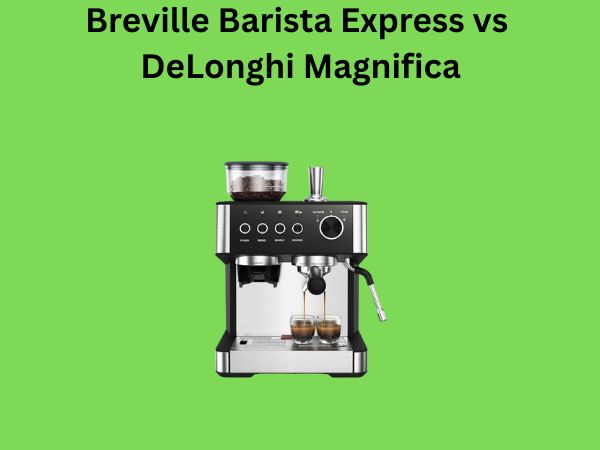
The Breville Barista Express is like the Swiss Army knife of home espresso machines. It’s built for people who want to be involved in the coffee-making process and don’t mind spending a few extra minutes perfecting their craft. When you use this machine, you’re not just pressing a button; you’re actively participating in the creation of your espresso.
This machine comes with an integrated conical burr grinder, which means you’re grinding your beans right before extraction. This is a game-changer because pre-ground coffee loses its freshness quickly, and grinding on demand preserves all those delicious flavors and aromas you paid for when you bought those premium beans.
The DeLonghi Magnifica: The Automatic Alternative
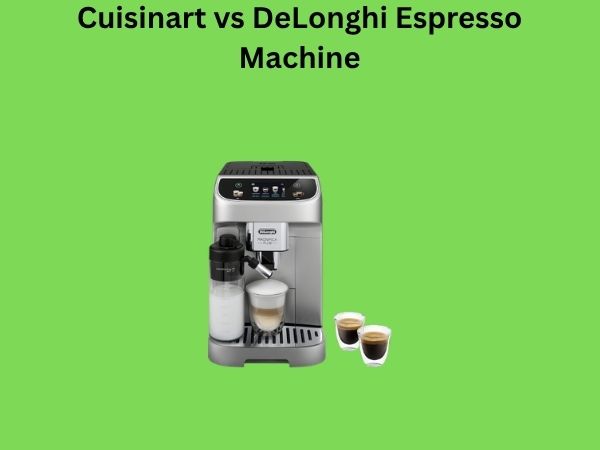
The DeLonghi Magnifica, on the other hand, is designed for convenience. It’s the machine for people who want exceptional coffee without becoming a barista themselves. This fully automatic machine handles most of the work for you, from grinding to tamping to extraction. You’re essentially pressing a button and waiting for your coffee to arrive.
Grinding and Bean Preparation: Where These Machines Diverge
Breville’s Integrated Grinder System
The Breville Barista Express features a built-in conical burr grinder that’s actually quite impressive for a machine in this price range. You load whole beans into the hopper, and the grinder produces grounds with remarkable consistency. The grinder has multiple settings, which means you can adjust the fineness of your grounds to match your preferences and the beans you’re using.
Here’s why this matters: espresso extraction is incredibly sensitive to grind size. If your grounds are too coarse, water rushes through them and your shot tastes weak and sour. If they’re too fine, water can’t penetrate properly and your shot becomes bitter and over-extracted. Having an adjustable grinder built right into your machine means you can dial in the perfect grind without buying additional equipment.
DeLonghi’s Automatic Grinding Process
The DeLonghi Magnifica also includes a grinder, but it works differently. This machine has preset grind settings, and while you can adjust them to some degree, you’re more limited in your customization options. The grinder automatically dispenses the right amount of coffee for your selected drink, whether you’re making a single espresso or a double.
The advantage here is simplicity. You’re not spending time experimenting with grind settings. The machine decides, and usually, it decides pretty well. The downside is that you have less control over the final product, which might frustrate serious coffee enthusiasts who want to fine-tune every variable.
Extraction and Pressure: The Heart of Espresso
Breville’s 15-Bar Pressure System
The Breville Barista Express operates with a 15-bar pressure system. This is important because proper espresso extraction requires pressure to force hot water through tightly packed coffee grounds. The 15-bar pressure is actually the industry standard for espresso machines, and it’s one reason the Breville can produce genuinely excellent shots.
But here’s the thing: you need to learn how to use that pressure properly. You need to tamp your grounds correctly, load them into the portafilter with the right amount of pressure, and understand how the machine responds to different variables. This learning curve is part of what makes the Breville appealing to coffee lovers. You’re not just operating a machine; you’re developing a skill.
DeLonghi’s Automatic Pressure Management
The DeLonghi Magnifica also uses a pressure-based system, but it automates much of the process. The machine automatically tampers the grounds with the appropriate pressure. It measures water temperature and flow rate. It essentially takes all those variables that you’d need to manage on the Breville and handles them internally.
This automation means consistency. Every shot you pull will be remarkably similar to the last one. If consistency is your priority, this is wonderful. You know that your morning espresso will taste the same today as it did yesterday. But if you’re the type of person who likes to experiment and tweak, you might find this frustrating.
Milk Frothing Capabilities: Making Your Favorite Drinks
Breville’s Manual Steam Wand
The Breville Barista Express has a traditional steam wand that you operate manually. This is the old-school way of frothing milk, and if you’re serious about cappuccinos, lattes, and flat whites, you’ll need to develop some skill here. Creating microfoam—that velvety, creamy texture—takes practice and technique.
But once you’ve mastered the technique, you’ll have complete control over your milk texture. You can create wet foam for lattes or dry foam for cappuccinos. You can adjust the temperature and density based on the milk type you’re using. This control is what professional baristas rely on, and the Breville gives you access to that same capability.
DeLonghi’s Automatic Milk System
The DeLonghi Magnifica includes an automated milk frother that you can program. You select how much milk you want and what type of drink you’re making, and the machine heats and froths the milk automatically. The system even has a cleaning function that purges the milk system after each use, which is brilliant for maintenance.
The quality of the foam is generally very good, though some purists argue it’s not quite as silky as what you can achieve manually. But here’s the reality: most people will be delighted with the foam quality from the DeLonghi, and they’ll love not having to develop the skill or spend the time learning proper steam wand technique.
Ease of Use: Daily Convenience vs. Hands-On Control
The Learning Curve with Breville
I need to be honest with you: the Breville Barista Express has a learning curve. When you first unbox this machine, you’re not going to pull perfect shots immediately. You’ll need to learn about grind consistency, tamping pressure, water temperature, and extraction time. Some people find this exciting. Others find it overwhelming.
Expect to spend a few weeks experimenting before you consistently pull good shots. Watch some YouTube videos. Read some forums. Talk to other coffee enthusiasts. It’s a journey, and depending on your personality, that’s either an adventure or a burden.
Once you’ve mastered the basics, the actual process of making a shot takes about five to seven minutes from start to finish, assuming you’ve already ground your beans.
DeLonghi’s Instant Gratification
The DeLonghi Magnifica, by contrast, is ready to deliver great coffee almost immediately. There’s less learning involved. You fill the water tank, add beans to the hopper, and start making drinks. The machine guides you through the process.
From start to finish, a drink takes maybe two to three minutes, depending on what you’re ordering. This is the machine if you value speed and simplicity above all else. There’s no learning curve, no experimenting, and no frustration with tamping pressure or grind adjustments.
Build Quality and Durability: Will Your Machine Last?
Breville’s Robust Construction
The Breville Barista Express feels solid in your hands. It’s built with a combination of stainless steel and aluminum components. The portafilter is solid metal, the group head is made of quality brass, and the overall construction suggests a machine that will last for many years with proper maintenance.
Breville machines have a good reputation for longevity. While repairs are sometimes necessary, parts are readily available, and the community is strong enough that you can find help when you need it.
DeLonghi’s Plastic Components
The DeLonghi Magnifica incorporates more plastic in its construction than the Breville. This is partly necessary because of the internal automation—there are more complex internal parts that benefit from lighter plastic construction. That said, the plastic feels reasonably sturdy, not cheap and flimsy.
DeLonghi machines are generally reliable, though plastic components can wear out over time. The good news is that DeLonghi is a massive company with excellent customer service and readily available replacement parts. If something breaks, you won’t struggle to get it fixed.
Price and Value: Getting the Best Return on Investment
Breville’s Price Point
The Breville Barista Express typically costs between $400 and $500. For what you’re getting—a quality grinder, solid pressure system, and the ability to truly learn espresso craft—this is reasonable value. You’re not paying extra for automation you might not need.
DeLonghi’s Cost Structure
The DeLonghi Magnifica generally falls in a similar price range, though some models are slightly less expensive. When you factor in that you’re paying for automation, this is also good value. You’re essentially paying for convenience and consistency.
The real question isn’t which costs less, but which delivers better value for your specific needs. If you love the process of making coffee, the Breville offers better value. If you just want great coffee fast, the DeLonghi wins.
Maintenance and Cleaning: Keeping Your Machine Happy
Breville’s Maintenance Requirements
The Breville Barista Express requires regular cleaning. You’ll need to purge the group head, backflush the portafilter, and regularly clean the steam wand if you’re making milk drinks. There’s also regular descaling to prevent mineral buildup.
These tasks aren’t complicated, but they do require attention and consistency. Proper maintenance is essential for keeping your machine functioning optimally and preventing premature wear. The good news is that many of these tasks become routine quickly, and most coffee enthusiasts actually enjoy the ritual of maintaining their equipment.
DeLonghi’s Automated Cleaning Features
The DeLonghi Magnifica has several automated cleaning functions that make maintenance easier. The automatic milk system includes a purge function, there’s a descaling program built into the software, and many routine cleaning tasks are simplified.
This is another area where the DeLonghi appeals to people who want convenience. You’re spending less time on maintenance and more time enjoying your coffee.
Drink Variety: What Can Each Machine Make?
Breville’s Flexibility
With the Breville Barista Express, you’re limited by your own creativity and skill. Theoretically, you can make any espresso-based drink: americanos, cappuccinos, lattes, macchiatos, cortados, and more. The machine provides the tools; you provide the technique.
This flexibility is wonderful if you like experimenting, but it also means you might not always know exactly what you’re going to get until you’ve made it. Some days your cappuccino will be perfect; other days it might need adjustment.
DeLonghi’s Preset Options
The DeLonghi Magnifica offers preset drink options and programmable buttons. You can create a library of your favorite drinks and select them from the touchscreen. The machine dispenses the exact same drink every time you select that button.
You’re more limited in terms of potential creativity, but you’re more assured of consistency. If you know that you’re going to make a cappuccino every morning, you can program exactly how you like it and enjoy that same perfect cappuccino every single day.
Noise Level: Consider Your Living Situation
The Breville Barista Express produces moderate noise when grinding and when the pump is running. The grinding can be somewhat loud, particularly if you’re grinding from whole beans in the morning before your household is awake.
The DeLonghi Magnifica is generally quieter overall, partly because its grinding and brewing cycles are shorter and more automated. If you live in a small apartment or have people sleeping nearby, this might be a consideration.
Water Tank Capacity and Usability
The Breville Barista Express has a modest water tank capacity of about 67 ounces. This is enough for roughly four to five espresso drinks before you need to refill. For a single person or couple, this is fine. For a larger household, you might find yourself refilling frequently.
The DeLonghi Magnifica typically features a larger water tank, often around 100 ounces or more. This means fewer refills and better suitability for households where multiple people are using the machine.
Troubleshooting and Support
Breville Community and Resources
The Breville Barista Express has an active online community. There are countless YouTube videos, blog posts, and forum discussions dedicated to this machine. If you encounter a problem, you can almost certainly find someone who has experienced the same issue and documented the solution.
Breville also offers solid customer support, though you might need to have some basic troubleshooting conversations. The learning curve means that some “problems” are actually just user error, which support staff can help you navigate.
DeLonghi’s Customer Service
DeLonghi is a massive company with extensive customer service infrastructure. Phone support, email support, and detailed manuals are readily available. Because the machine is more automated, there are fewer variables to troubleshoot. Most common issues are resolved through basic cleaning or resetting the machine.
Conclusion
So, which machine should you choose? The answer depends entirely on who you are and how you want to approach your morning coffee ritual.
Choose the Breville Barista Express if you’re excited about learning the craft of espresso making. Choose it if you want to develop a skill, experiment with different beans and techniques, and feel like an active participant in creating your coffee. Choose it if you value control and the opportunity to fine-tune every variable. This is the machine for coffee enthusiasts who see espresso as a hobby, not just a caffeine delivery mechanism.
Choose the DeLonghi Magnifica if you want exceptional coffee without the learning curve. Choose it if you value consistency and convenience above all else. Choose it if you’d rather spend your time enjoying your coffee than learning to make it. This is the machine for people who want café-quality drinks without becoming a barista.
There’s no objectively “better” machine here. The Breville is better for one person, the DeLonghi is better for another. Both are solid machines that will deliver good to excellent espresso-based coffee for many years. The key is being honest with yourself about your priorities, your time availability, and your interest level in the coffee-making process itself.
Whichever machine you choose, you’re investing in daily quality-of-life improvements. You’ll enjoy better coffee at home, save money compared to visiting caf