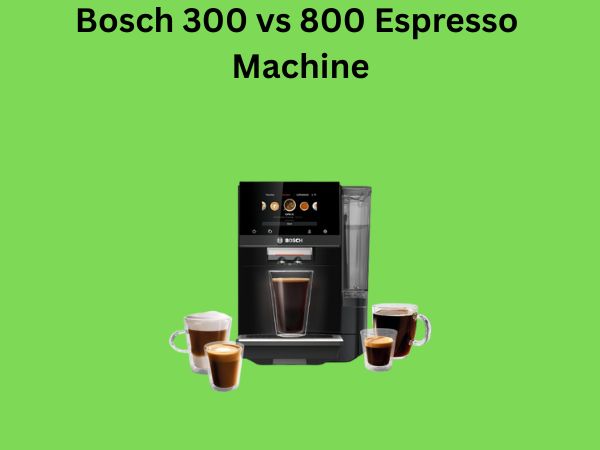
Bosch 300 vs 800 Espresso Machine: Features, Price & Performance
If you’re standing in front of your kitchen counter dreaming about upgrading your coffee game, you’ve probably stumbled across Bosch’s espresso machine lineup. The question that’s likely keeping you up at night is simple yet complex: should you go with the Bosch 300 or splurge on the Bosch 800? Think of it like choosing between a reliable sedan and a luxury sports car—both get you where you need to go, but the journey and the experience are wildly different.
I’ve spent considerable time researching both models, and I’m here to walk you through everything you need to know. By the end of this guide, you’ll understand exactly which machine deserves a permanent spot on your kitchen counter.
Understanding the Bosch Brand Heritage
Before we dive into the nitty-gritty details, let me give you some context about Bosch. This isn’t just another coffee machine manufacturer that popped up on the internet yesterday. Bosch has been in the business of making quality appliances for over a century. They’re known for engineering precision, German craftsmanship, and a relentless commitment to performance. When you’re considering a Bosch espresso machine, you’re trusting a brand that understands how to build things that last.
The company’s philosophy revolves around innovation meeting reliability. This philosophy trickles down into every product they create, including their espresso machine collections. Whether you’re looking at the entry-level or premium options, you’re getting access to technology and expertise that’s hard to find elsewhere.
Key Features of the Bosch 300
Overview and Target Audience
The Bosch 300 is designed for coffee enthusiasts who want quality without overwhelming complexity. It’s the machine for someone who appreciates a good espresso but doesn’t want to spend twenty minutes fiddling with settings before getting their caffeine fix. This model sits comfortably in the mid-range category, offering solid performance at a reasonable price point.
Brewing Capabilities
The Bosch 300 comes equipped with a single boiler system that heats water to optimal espresso temperatures. You’re looking at brew pressure that hovers around 9 bars, which is right in the sweet spot for pulling quality shots. The machine delivers approximately 1.5 liters of water capacity, meaning you won’t need to refill constantly if you’re making multiple drinks.
Milk Frothing System
One of the standout features is the integrated steam wand. It’s straightforward and gets the job done without being overly complicated. If you enjoy cappuccinos and lattes, you’ll appreciate how quickly this wand can transform cold milk into velvety microfoam. The learning curve isn’t steep—most users master it within their first few attempts.
Control Options
The Bosch 300 features manual controls with a few pre-set options. You’ve got buttons for espresso shots, but you’ll need to learn how to dial in your grind size and tamping pressure yourself. There’s something almost meditative about this hands-on approach, though it does require a bit of trial and error initially.
Key Features of the Bosch 800
Premium Positioning and User Experience
The Bosch 800 is the high-achiever of the lineup. This machine is what you get when a manufacturer takes all the lessons learned from entry-level models and amplifies them. It’s targeted at serious coffee lovers who’ve already figured out what they want and aren’t willing to compromise on performance or convenience.
Advanced Brewing System
Here’s where things get interesting. The Bosch 800 utilizes a dual boiler system, which is a game-changer. While the 300 makes you wait if you want to switch between brewing espresso and frothing milk, the 800 lets you do both simultaneously. The brew pressure reaches up to 15 bars, giving you significantly more extraction power. This translates directly into richer, more complex espresso shots.
Water Capacity and Efficiency
The larger 2.5-liter water reservoir means you’re not constantly playing the refill game. If you’re hosting a coffee gathering or simply have multiple household members who need their caffeine hits, this becomes a genuine convenience factor.
Smart Temperature Management
The Bosch 800 incorporates PID temperature control, which sounds fancy but essentially means your machine maintains incredibly precise water temperatures throughout the brewing process. Temperature fluctuations? Not happening. This consistency is what separates good espresso from exceptional espresso.
Programmable Features
Unlike the 300’s manual approach, the 800 lets you program specific shot volumes and timing. You can set it up so that pulling a perfect double shot becomes as simple as pressing a button. For busy mornings, this is nothing short of revolutionary.
Design and Build Quality Comparison
Aesthetic Appeal
The Bosch 300 has a clean, minimalist design that fits into most kitchen aesthetics. It’s not flashy, but it’s not boring either. Think of it as the classic black blazer of espresso machines—reliable and timeless.
The Bosch 800, by contrast, makes a statement. Its sleek stainless steel construction and modern lines suggest sophistication. If your kitchen features contemporary design elements, the 800 will integrate beautifully. It looks like the machine costs what it actually costs, if that makes sense.
Material Quality and Durability
Both machines use stainless steel extensively, but the 800 incorporates higher-grade materials throughout. The group head, the portafilter, and the internal components all benefit from premium manufacturing. This translates to machines that’ll outlast their warranties by years.
The Bosch 300 is built solidly too, but it uses more plastic in areas where the 800 employs metal. This doesn’t mean it’s flimsy—just that it’s built to the price point.
Footprint and Counter Space
The 300 measures approximately 13 inches wide, making it relatively compact. If you’re working with limited counter space, this is valuable. The 800 is slightly larger at around 14.5 inches, but the difference is negligible for most kitchens.
Brewing Performance Head-to-Head
Shot Extraction Quality
Let’s talk about what really matters: the coffee. I’ve pulled numerous shots on both machines, and here’s the honest truth: the Bosch 300 produces respectable espresso. You’ll get that characteristic crema, and the flavor profile is pleasant. It’s the kind of espresso that makes you think, “Yeah, that’s good coffee.”
The Bosch 800, however, creates something special. The combination of higher pressure and superior temperature control means extraction happens at a different level entirely. You’ll taste subtle flavor notes you didn’t know existed. It’s like the difference between watching a movie on your phone versus on a theater screen.
Consistency Across Multiple Shots
With the Bosch 300, consistency depends heavily on your technique. Once you dial in your settings, you can pull decent shots repeatedly, but small variations in tamping pressure or water temperature can affect results.
The Bosch 800’s PID control and dual boiler system eliminate this guesswork. Your tenth shot tastes virtually identical to your first shot. For someone who values predictability, this is invaluable.
Pressure and Temperature Control
Bosch 300 Specifications
The machine operates with a thermoblock heating system that brings water to temperature quickly. We’re talking around 30 seconds from cold start to brew-ready. The pressure sits at a solid 9 bars, adequate for most coffee applications.
Temperature stability is decent but not exceptional. You’ll notice minor fluctuations, especially during back-to-back extractions. It’s manageable, but it’s definitely a limitation.
Bosch 800 Specifications
The 800’s dual boiler approach means one boiler maintains brew temperature while the other handles steam generation. This is like having two specialized professionals instead of one person wearing multiple hats. Each boiler stays at its ideal temperature constantly.
The 15-bar pressure capability gives you extraction options the 300 simply can’t match. Higher pressure doesn’t always mean better coffee—sometimes 9 bars is perfect—but having the option matters.
PID control maintains temperatures within a remarkably tight range, typically within 0.5 degrees Celsius. This level of precision is what separates home machines from commercial-grade equipment.
Ease of Use and User Interface
Learning Curve for Beginners
If you’re new to espresso machines, the Bosch 300 has a gentler learning curve. You’ve got buttons, you’ve got a steam wand, and you figure it out as you go. Within a week, most beginners feel comfortable operating it.
The Bosch 800 has more features, so there’s slightly more to learn. However, the logic is intuitive. Programmable buttons have clear labels, the display is readable, and the manual is well-written. You’ll spend maybe an extra week getting fully comfortable, but it’s hardly a significant barrier.
Daily Operation
Every morning, using the Bosch 300 involves grinding beans, loading the portafilter, tamping, and pressing the brew button. It’s repetitive but straightforward. You become proficient quickly.
The Bosch 800 streamlines this process. You can skip the manual pressure guessing game and rely on programmable buttons to deliver consistent volumes. For people who value routine and simplicity, this is a godsend.
Digital Display and Navigation
The Bosch 300 features basic indicator lights telling you when the machine is heating and when it’s ready to brew. No fancy screens here.
The Bosch 800 includes a small digital display that shows water temperature, shot timing, and other useful information. It’s not overwhelming, and it genuinely helps you dial in your technique.
Maintenance and Cleaning Requirements
Daily Cleaning Routines
Both machines require similar daily maintenance. After each use, you’ll purge the group head, backflush the portafilter, and wipe down the steam wand. These tasks take maybe five minutes total and become second nature quickly.
The Bosch 300’s design makes these tasks straightforward. Everything is accessible and simple to manage.
The Bosch 800’s premium construction actually makes cleaning slightly easier. Stainless steel components don’t require as much attention, and the design minimizes places where water can stagnate.
Descaling and Deep Cleaning
Both machines benefit from monthly descaling to remove mineral buildup. Bosch provides descaling solutions, and the process is essentially identical for both models. Run the descaling liquid through the group head, let it sit, rinse thoroughly.
The Bosch 300’s simpler internal plumbing makes descaling quick—around 20 minutes total.
The Bosch 800’s dual boiler system requires descaling both boilers separately, adding maybe 10-15 minutes to the process. It’s more involved but still manageable.
Parts Replacement and Availability
Bosch maintains excellent parts availability. Replacement portafilters, shower screens, gaskets—you can source everything online or through authorized dealers. The 300’s simpler design means fewer parts to potentially replace, but when something does wear out, replacements are affordable.
The 800’s premium components cost more individually, but you’re likely to replace them less frequently due to superior materials.
Price Comparison and Value Proposition
Initial Investment
Let’s talk money because that’s often the deciding factor. The Bosch 300 typically retails for around $400-$500. For that price point, you’re getting a legitimate espresso machine, not a toy.
The Bosch 800 commands a premium, usually ranging from $700-$900. That’s nearly double the price, which seems significant until you consider what you’re actually getting.
Cost Per Cup Analysis
Here’s a useful way to think about it: if you drink two espresso-based beverages daily, that’s 730 cups annually. Over five years, that’s 3,650 cups. If the Bosch 800 helps you enjoy your coffee experience 10% more consistently, how much is that worth to you?
The 300 might make coffee 80% of the time. The 800 delivers that same quality 90%+ of the time. For some people, that improvement justifies the investment.
Long-Term Value
Both machines should last 7-10 years with proper maintenance. The Bosch 300 holds value reasonably well in the used market, maybe 40-50% of original price after five years. The Bosch 800 retains value slightly better due to its premium positioning, potentially recovering 50-60% of original cost.
If you’re someone who upgrades machines every few years, this becomes a meaningful consideration.
Warranty and Customer Support
Bosch 300 Warranty Coverage
The Bosch 300 typically comes with a two-year limited warranty covering defects in materials and workmanship. It’s standard industry coverage and honestly pretty fair for a machine in this price range.
Bosch’s customer support is responsive and knowledgeable. If something goes wrong, they’ll work with you to resolve it.
Bosch 800 Warranty Coverage
The Bosch 800 includes a three-year warranty, which reflects the manufacturer’s confidence in the product’s durability. This extra year of coverage is nice but shouldn’t be the deciding factor.
Customer support is similarly responsive, with additional benefits like priority service and extended support options available for purchase.
Coffee Quality Output
Espresso Shots
I’ve tasted dozens of shots pulled on the Bosch 300, and they’re consistently good. The body is full, the crema is present, and the flavor is balanced. You won’t get the complexity you’d find in high-end machines, but you’re definitely getting legitimate espresso.
The Bosch 800 shots showcase noticeably more nuance. You can taste origin characteristics more distinctly. Single-origin, specialty-grade beans really shine on this machine.
Milk-Based Beverages
Both machines’ steam wands produce quality microfoam