
Automatic vs Manual Espresso: Which to Choose?
Choosing between an automatic and manual espresso machine really depends on your priorities. For effortless convenience and consistent results with minimal fuss, an automatic machine is your best bet. If you crave total control over every shot and enjoy the hands-on ritual, a manual machine offers that rewarding tactile experience.
Both types can produce delicious espresso, but they cater to different user preferences. Think of it like driving a car: automatics are smooth and easy for daily commutes, while manuals give you more connection to the road. Your decision hinges on whether you value speed and simplicity or the art and precision of espresso making.
- Automatic machines are great for beginners.
- Manual machines give you more control.
- Both can make excellent espresso.
- Your choice depends on your coffee goals.
Let’s break down exactly what makes each type tick so you can find your perfect espresso match.
Automatic vs. Manual Espresso: Making the Right Choice for Your Kitchen
Choosing between an automatic and manual espresso machine is a big decision. It impacts your morning routine. It also affects the quality of your coffee. Let’s look at what each offers.
Understanding Automatic Espresso Machines
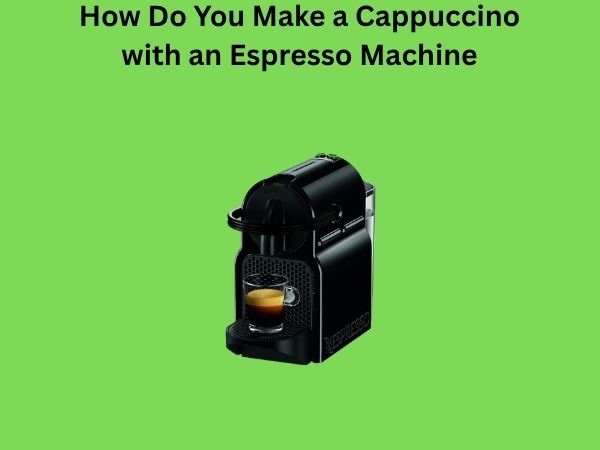
Automatic machines do most of the work for you. You load your coffee grounds. Then, you press a button. The machine grinds the beans and brews the espresso. This is great if you want speed and ease.
How Automatics Simplify Your Brew
These machines have built-in grinders. They also have automated brewing cycles. You typically select your drink size. The machine then handles the rest. This means less guesswork for you. Many find this makes their mornings much smoother. You get a consistent shot every time, which is a big plus.
Pros of Going Automatic
- User-friendly: Perfect for beginners.
- Fast: Get your coffee quickly.
- Consistent: Reliable results.
- Less mess: Built-in grinders reduce cleanup.
Cons of Going Automatic
While convenient, automatics can have drawbacks. They offer less control over the brewing process. Some baristas feel you lose the art of espresso making. They can also be more expensive upfront. Repairs might also be more costly.
Exploring Manual Espresso Machines
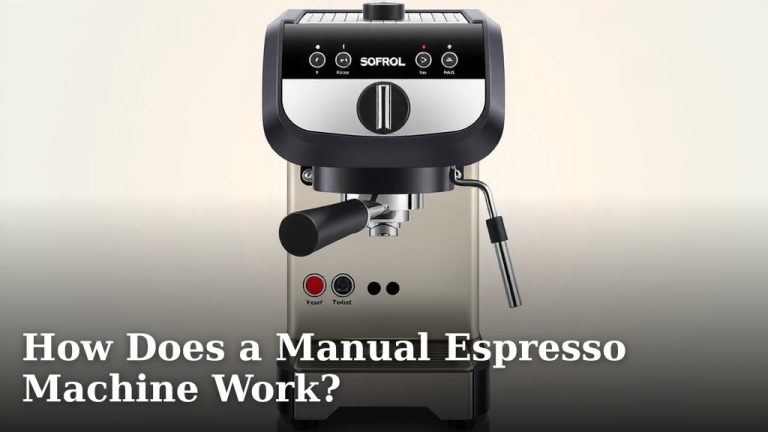
Manual machines put you in charge. You control every step of the brewing. This includes grinding, tamping, and pulling the shot. It’s a hands-on experience. Many coffee lovers enjoy this detailed process.
The Art of the Manual Pull
With a manual machine, you are the barista. You grind your beans to the perfect fineness. Then, you carefully tamp the grounds into the portafilter. You control the water temperature and pressure. This gives you the power to fine-tune every shot. It’s a rewarding process for those who love to tinker.
What Makes Manual Machines Special
- Total Control: You dictate every variable.
- Artistic Expression: Perfect for coffee enthusiasts.
- Potentially Better Taste: Fine-tuning can yield superior espresso.
- Durability: Often simpler mechanics mean longer life.
Challenges of Manual Brewing
The learning curve for manual machines is steeper. It takes practice to get it right. You need to buy a separate grinder. Tamping correctly is also a skill to develop. Inconsistent results can happen as you learn. This might be frustrating if you’re in a hurry.
Super-Automatic vs. Semi-Automatic: A Closer Look
Within the automatic category, there are nuances. Super-automatic machines do everything, including frothing milk. Semi-automatic machines require you to steam milk manually. Let’s compare them briefly.
Super-Automatic: The All-in-One Solution
These are the most convenient. You press a button, and out comes a latte or cappuccino. They often have touch screens. They handle grinding, brewing, and milk texturing. This is the ultimate set-it-and-forget-it option.
Semi-Automatic: A Touch More Involvement
Semi-automatic machines still automate the brewing. But, you control the steam wand for milk. This gives you more control over milk texture. Many home baristas prefer this balance. You get automation for the espresso, but artistry for the milk. This is a popular choice for those wanting a bit more hands-on fun.
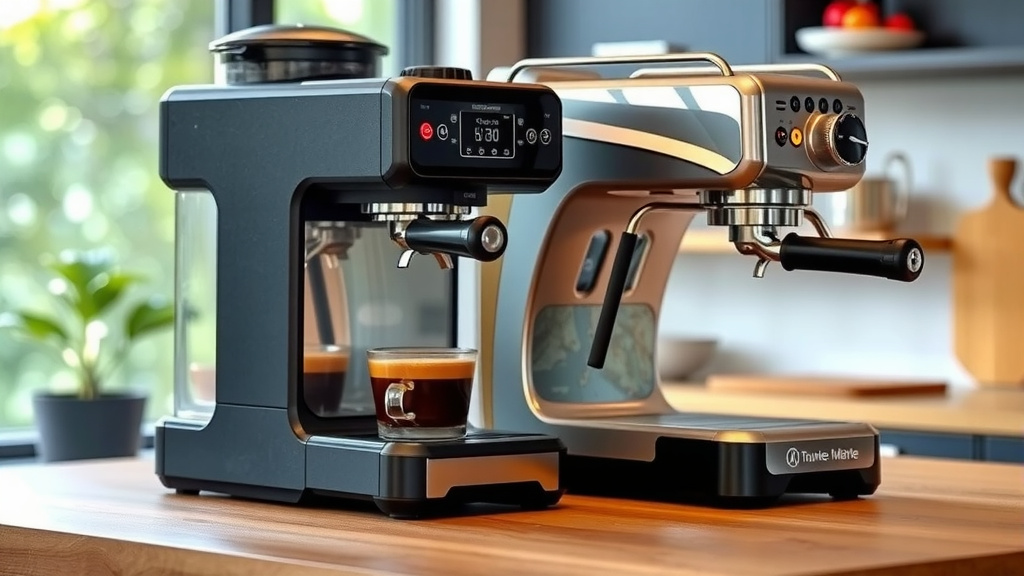
A Quick Comparison Table
| Feature | Automatic Machine | Manual Machine |
|---|---|---|
| Ease of Use | Very Easy | Challenging |
| Control | Limited | Complete |
| Brewing Speed | Fast | Slower (with practice) |
| Learning Curve | Low | High |
| Ideal For | Beginners, busy individuals | Coffee hobbyists, aspiring baristas |
Making Your Final Decision: What’s Your Priority?
So, which type is right for you? Think about your daily routine. Do you need your coffee fast? Are you looking for a simple way to enjoy good espresso? An automatic machine is likely your best friend. Many guides point to them as excellent entry points (Specialty Coffee Association).
However, if you love the ritual of coffee making, you want to experiment, or you crave ultimate control, a manual machine might call to you. It’s about the journey as much as the destination.
Your Espresso Checklist:
- How much time do you have each morning?
- Do you enjoy hands-on tasks or prefer automation?
- What’s your budget for a machine and accessories?
- Are you looking for a simple cup or a perfect craft shot?
- How much space do you have on your counter?
- Do you want to learn the art of latte art?
Conclusion
Deciding between an automatic and manual espresso machine comes down to your personal coffee journey. If you prioritize speed, consistency, and a hands-off experience, an automatic machine will likely fit your lifestyle perfectly. For those who delight in the craft, enjoy experimenting, and want ultimate control over every nuance of their espresso, a manual machine offers a more engaging and rewarding path. No matter which you choose, both can lead you to delicious espresso. Your next step is to consider your daily routine and what brings you the most joy in your coffee ritual.
Frequently Asked Questions
Which type of espresso machine is better for a beginner?
For beginners, an automatic espresso machine is generally recommended. They are user-friendly and simplify the brewing process significantly. You can achieve good results quickly without a steep learning curve.
Can a manual espresso machine produce espresso as good as an automatic one?
Yes, absolutely. With practice and skill, a manual machine can produce espresso that many consider superior because you have complete control over all variables. It requires dedication to master, but the results can be exceptional.
Do I need to buy a separate grinder if I get a manual espresso machine?
Typically, yes. Most manual espresso machines do not come with built-in grinders. You will need to purchase a quality burr grinder separately to achieve the fine, consistent grind necessary for good espresso.
Are automatic espresso machines expensive to maintain?
The maintenance costs can vary. While automatic machines might have more complex internal parts that could require professional servicing, simpler machines can be quite durable. Regular cleaning and descaling, as recommended by the manufacturer, will help minimize potential issues for either type.