
Automatic Espresso Machine vs Nespresso: Which Is Better for Home?
If you’re standing in your kitchen wondering whether to invest in an automatic espresso machine or a Nespresso system, you’re not alone. This decision can feel overwhelming, especially when you’re trying to figure out which one will actually deliver that café-quality coffee you’ve been craving. Let me walk you through everything you need to know to make an informed choice that fits your lifestyle and budget.
The coffee world has evolved dramatically over the past decade. Gone are the days when home espresso lovers had only one or two options. Today, we’re spoiled for choice, and that’s both exciting and confusing. I’m here to break down the differences between these two popular systems so you can understand exactly what you’re getting into before you spend your hard-earned money.
Understanding What We’re Comparing
Before we dive into the nitty-gritty details, let’s clarify what we’re actually talking about. An automatic espresso machine is a traditional piece of equipment that grinds whole coffee beans and extracts espresso by forcing hot water through ground coffee under pressure. On the other hand, Nespresso is a pod-based system that uses pre-packaged coffee capsules to create espresso-like drinks with just a button press. Think of it like comparing homemade pasta from scratch versus opening a box of dried pasta. Both are pasta, but the journey to your plate is completely different.
What Is a Nespresso Machine?
Nespresso has revolutionized how millions of people make coffee at home. It’s a capsule-based system that operates on a simple premise: insert a coffee pod, press a button, and you get espresso in about 30 seconds. The system was designed with convenience at its core, and honestly, it delivers on that promise.
How Nespresso Works
The mechanics are straightforward. Each Nespresso capsule contains precisely measured coffee grounds sealed in aluminum or plastic. When you insert the capsule and start the machine, it pierces both the top and bottom of the pod, then forces hot water through the coffee grounds at the right pressure to extract espresso. The entire process is automated, meaning you don’t need any barista skills or experience.
Key Nespresso Advantages
- Incredibly fast brewing—ready in 30 seconds or less
- Zero learning curve—anyone can use it immediately
- Consistent results every single time
- Minimal cleanup required
- Compact designs available for small kitchens
- Wide variety of flavors through different capsule options
- Perfect for people who travel or have busy schedules
The consistency aspect is worth emphasizing. Every capsule contains the same amount of coffee, so your Tuesday morning espresso tastes identical to your Friday morning one. There’s comfort in that predictability.
The Nespresso Drawback
Here’s the catch that keeps some coffee enthusiasts up at night: environmental concerns. Those aluminum capsules add up. You’re creating waste with every coffee you make, and while Nespresso has recycling programs, not everyone participates. Additionally, you’re completely dependent on buying Nespresso capsules, which can get expensive when you calculate the cost per cup over time.
What Is an Automatic Espresso Machine?
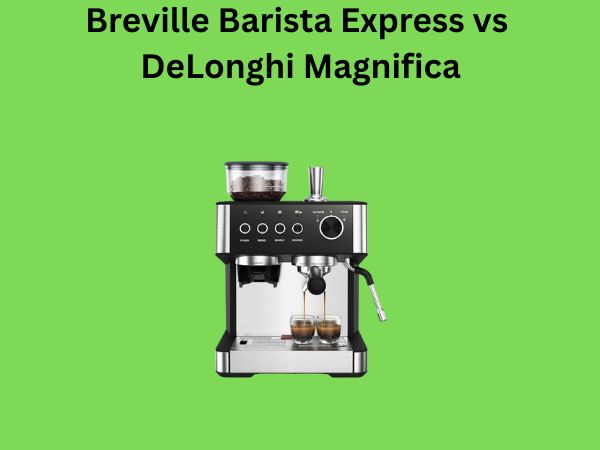
An automatic espresso machine is the more traditional route. It’s a device that brings water to the right temperature, allows you to add ground coffee to a filter basket, and then extracts espresso by forcing water through that coffee under pressure. These machines range from entry-level home models to professional-grade equipment that costs thousands of dollars.
How Automatic Espresso Machines Operate
The process involves several steps, but I promise it becomes second nature. You grind your coffee beans to the right consistency, tamp them into a portafilter basket, attach it to the group head, and pull a shot. The machine’s pump creates the necessary pressure to extract the espresso. Most automatic machines have temperature stability features and pressure gauges to help you dial in the perfect shot.
Key Automatic Espresso Machine Advantages
- Complete control over the coffee-making process
- Ability to use any coffee beans from any roaster
- Lower per-cup costs once you’ve invested in the machine
- Environmentally friendlier—no capsules needed
- The satisfaction of actually making espresso yourself
- Better flavor potential with high-quality beans
- Developing a genuine skill that impresses others
- Long-term durability and reliability
The flexibility here is enormous. Want to try beans from a local roaster? Just buy a bag and grind them. Discovered a new roast you love? Switch to it immediately without waiting for Nespresso to release it as a capsule option.
The Automatic Espresso Machine Learning Curve
Let’s be honest—there’s a reason baristas train for months. Making good espresso requires understanding grind size, tamping pressure, water temperature, and extraction time. Your first shots might taste terrible. Your second batch might be slightly better. It takes time to develop the muscle memory and intuition that separates mediocre espresso from excellent espresso. This is simultaneously the biggest drawback and the biggest reward.
Cost Comparison: Initial Investment
Your wallet matters, so let’s talk numbers. Nespresso machines typically range from $150 to $500, depending on the model. You can be making coffee within hours of unboxing. Automatic espresso machines are a different beast. Entry-level machines start around $300, but if you want something that actually makes good espresso, you’re looking at $500 to $1500. And that’s before you factor in a quality grinder, which is essential and can cost $200 to $600 on its own.
Breaking Down the True Cost
Here’s where it gets interesting. Yes, automatic machines cost more upfront, but let’s look at per-cup costs. Nespresso capsules cost roughly $0.70 to $1.00 per shot. If you drink one espresso daily, that’s $250 to $365 per year. With an automatic machine using beans at $15 per pound, and each pound making roughly 40 shots, you’re looking at about $0.40 per shot. After three years of daily use, the automatic machine has paid for itself.
Taste and Quality: The Flavor Factor
This is where things get delicious. Nespresso capsules are convenient, but they’re engineered for consistency, not necessarily for showcasing the nuances of specialty coffee. You’re getting a product that tastes the same every time, which is great, but you’re not experiencing the full range of what coffee can be. Think of it like watching a movie on your phone versus watching it on a theater screen—both are the same movie, but one is missing something.
Automatic espresso machines, when used correctly, can extract espresso that highlights the origin, processing method, and roast level of the beans. Single-origin beans from Ethiopia taste noticeably different from beans grown in Colombia, and an automatic machine lets you appreciate those differences. You’re essentially opening a door to a deeper coffee experience.
Quality Variables in Automatic Machines
The quality of your espresso depends on several factors you control directly. The freshness of your beans matters enormously—coffee starts losing quality within days of roasting. Your grinder quality significantly impacts extraction consistency. The temperature stability of your machine affects the final product. Your technique—how you dose, tamp, and distribute coffee—influences every shot. It’s complex, but that complexity is what makes the hobby engaging for many people.
Convenience and Lifestyle Fit
Let’s talk about real life. Are you someone who stumbles into the kitchen half-asleep and just wants coffee immediately? Nespresso is your friend. Press a button, wait 30 seconds, drink. There’s no grinding, no tamping, no fussing. It’s perfect for busy mornings or when you have guests who want espresso but you’re not in the mood to perform.
Automatic machines require more intention. You need to grind coffee, and if you’re doing it right, you’re adjusting your grind based on variables like humidity and bean freshness. You’re learning to tamp correctly and consistently. You’re monitoring your extraction time. For some people, this ritual is meditative and rewarding. For others, it sounds like a chore before 8 AM.
Travel and Portability
If you travel frequently, Nespresso wins decisively. Many hotels stock Nespresso machines, and you can pack capsules easily. Automatic machines are stationary and require a permanent home in your kitchen. If you’re moving frequently or spend time in multiple locations, the convenience factor of Nespresso becomes even more valuable.
Maintenance and Cleaning Requirements
Nespresso machines are incredibly easy to maintain. You empty the used capsule, occasionally run a cleaning cycle, and that’s largely it. There’s no scattered coffee grounds on your counter, no metal baskets to scrub, no group head to backflush. Cleanup takes maybe two minutes.
Automatic machines require regular maintenance. You need to purge the group head, backflush to clear coffee residue, soak the baskets and portafilter, and occasionally descale the machine. It’s not complicated, but it’s part of the commitment. Some people find this routine satisfying. Others find it annoying. Your perspective here matters for long-term satisfaction.
Descaling and Deep Cleaning
Both systems need periodic descaling to remove mineral buildup. With Nespresso, it’s a simple process involving a descaling solution and running water through the machine. With automatic machines, it’s similar but slightly more involved. Neither system is difficult, though. I’m talking about a 15-minute task every few months.
Environmental Considerations
Here’s a conversation worth having. Those Nespresso capsules are a real environmental concern. Even with recycling programs, many capsules end up in landfills. If environmental impact influences your purchasing decisions, an automatic machine using compostable coffee grounds is the greener choice. You can compost your used grounds or add them to a garden, creating zero waste.
However, Nespresso has been making efforts to address this. They’ve developed recycling initiatives and introduced compatible capsules made from different materials. But fundamentally, the system generates waste that an automatic machine doesn’t.
Skill Development and the Learning Experience
Using an automatic espresso machine is like learning to cook versus using meal prep services. Yes, meal prep is convenient, but cooking teaches you skills and gives you pride in what you’ve created. Similarly, pulling shots on an automatic machine gives you a craft to master. Over time, you’ll develop an intuition for espresso that becomes genuinely impressive.
There are online communities, YouTube channels, and coffee shops where you can learn and refine your technique. This community aspect and the journey of improvement appeal to many people. It transforms coffee making from a chore into a hobby you actually enjoy.
Which Machine Should You Choose?
So which is actually better for your home? The honest answer is that it depends entirely on you. Let me help you figure it out.
Choose Nespresso If:
- You value speed and convenience above all else
- You’re not interested in developing barista skills
- You have limited counter space in your kitchen
- You want foolproof consistency in every cup
- You travel frequently or move often
- You drink espresso occasionally rather than daily
- You prefer minimal cleanup and maintenance
- Budget is a significant concern for the upfront investment
Choose an Automatic Espresso Machine If:
- You’re genuinely interested in coffee and willing to learn
- You drink espresso daily and want lower per-cup costs
- You value environmental sustainability
- You want access to specialty beans from different roasters
- You enjoy rituals and the meditative aspect of coffee making
- You have the counter space and a permanent kitchen setup
- You’re willing to spend time on maintenance and cleaning
- You want to impress friends with your coffee-making skills
The Hybrid Approach
Here’s a thought many people don’t consider: you don’t have to choose just one. Some coffee enthusiasts have both. They use Nespresso for busy mornings or when guests visit, and the automatic machine for when they have time to enjoy the process. If your budget allows and your kitchen has space, this hybrid approach gives you flexibility.
Real User Experiences and Perspectives
I’ve talked to countless coffee drinkers about their choices. The Nespresso owners consistently mention that they actually drink more coffee now because it’s so convenient. They appreciate never having a bad cup. The automatic machine owners talk about the satisfaction of pulling a great shot and how they’ve become more adventurous with trying different beans.
Interestingly, some people who initially loved their Nespresso system eventually upgraded to automatic machines because they wanted more from their coffee. Others have done the opposite, moving back to Nespresso when life got busier. This tells me that your ideal choice might change as your lifestyle and priorities evolve.
Conclusion
The battle between automatic espresso machines and Nespresso systems isn’t really about which is objectively better. It’s about which aligns better with your lifestyle, values, and coffee aspirations. Nespresso wins on convenience, consistency, and ease of use. Automatic machines win on flavor potential, environmental impact, cost-per-cup economics, and the satisfaction of developing a genuine skill.
Before you make a decision, honestly assess your daily routine. Are you someone who values time and simplicity, or do you have the interest and patience to develop expertise? Consider your kitchen space, your budget, how much espresso you actually drink, and whether the environmental impact matters to you. There’s no wrong answer here, only the choice that’s right for you.
Whichever path you choose, you’re investing in better coffee at home, and that’s something worth celebrating. So go ahead, make that decision, and start enjoying the coffee experience you’ve been craving.
Frequently Asked Questions
Can I use Nespresso capsules in a regular espresso machine?
No, you cannot use Nespresso capsules in a traditional automatic espresso machine. Nespresso capsules are specifically designed to work with Nespresso machines’ piercing and extraction system. However, there are compatible third-party capsules made by other manufacturers that work with Nespresso machines, which can reduce your costs. Some companies have also created capsule systems that work with certain automatic machines, but they’re not the same as Nespresso capsules.
How long does it take to become good at making espresso?
Most people can pull a drinkable shot within their first week of practice. However, becoming truly proficient usually takes three to six months of regular practice. Pulling consistently great shots that showcase the beans’ best qualities might take a year or more. The learning curve isn’t about reaching perfection but rather developing enough competence that you enjoy the process and consistently get acceptable results. Many people find that after just a few weeks, they’ve improved dramatically.
Is Nespresso espresso actually espresso?
Technically, yes and no. Nespresso uses pressure to extract coffee from ground beans, which is the fundamental requirement for espresso. However, some coffee purists argue that the pressure levels and extraction processes in Nespresso machines produce more of an espresso-like drink than true espresso.