
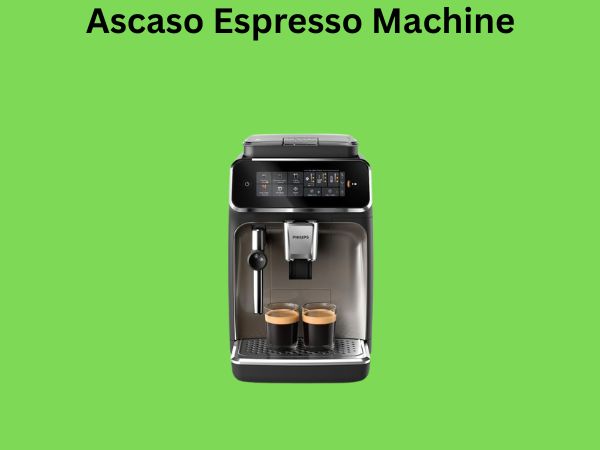
Ascaso Espresso Machine: How to Use and Dial In Espresso Like a Pro
If you’ve just unboxed your shiny new Ascaso espresso machine, you’re probably wondering where to start. Maybe you’re standing in your kitchen right now, staring at all those buttons and wondering if you need a degree in engineering just to pull a decent shot. The good news? It’s not nearly as complicated as it looks, and I’m here to walk you through everything you need to know.
Ascaso machines are beloved by coffee enthusiasts worldwide, and for good reason. They’re built with precision, durability, and user-friendliness in mind. Whether you’ve got a manual lever machine or a semi-automatic model, understanding the fundamentals will transform you from a curious beginner into someone who can consistently pull restaurant-quality espresso at home.
Understanding Your Ascaso Espresso Machine: The Basics
Before we dive into the nitty-gritty of operation, let’s talk about what makes an Ascaso machine special. Think of it like learning to drive a car—you don’t need to understand every mechanical detail, but knowing the basic components helps tremendously.
What Makes Ascaso Machines Different?
Ascaso machines hail from Barcelona, Spain, and they’re known for their no-nonsense design philosophy. These aren’t flashy machines with unnecessary features. Instead, they focus on what actually matters: consistent heat, reliable pressure, and straightforward operation. It’s like comparing a well-tailored suit to one covered in decorative buttons—simple elegance wins.
Most Ascaso machines feature a group head made of brass or steel, a steam wand for milk frothing, and a portafilter that holds your ground coffee. Some models have pre-infusion capabilities, which essentially means the machine softly wets your coffee grounds before applying full pressure. This is a game-changer for extraction consistency.
The Essential Components You Need to Know
Let me break down the key parts of your machine:
- The Portafilter: This is the handle that holds your basket and ground coffee. It locks into the group head.
- The Group Head: This is where the magic happens—where hot water meets your coffee grounds under pressure.
- The Steam Wand: Used for steaming and frothing milk for cappuccinos and lattes.
- The Boiler: This heats water to the proper temperature for espresso extraction.
- The Pump: In semi-automatic models, this generates the pressure needed to push water through the coffee.
- The Water Tank: Your reservoir for fresh water.
Pre-Operation: Getting Your Machine Ready
The Initial Setup Process
When you first get your Ascaso machine, you’ll want to do something called “backflushing” or running the machine without coffee to clear out any manufacturing residue. This is like giving your new espresso machine a good rinse before its first real use.
Here’s what you should do:
- Fill the water tank with fresh, filtered water
- Turn on the machine and let it heat for 10-15 minutes
- Insert an empty portafilter into the group head
- Turn on the pump or lever (depending on your model) for 2-3 seconds, then turn it off
- Repeat this process 5-10 times until the water runs clear
This process removes any dust, oils, or debris from manufacturing. It’s not glamorous, but it’s essential.
Water Quality: Don’t Overlook This
Here’s something many beginners miss: the water you use matters just as much as the coffee you choose. Hard water can leave mineral deposits inside your machine, while distilled water can actually damage seals. The sweet spot? Filtered water with moderate mineral content.
I’d recommend investing in a good water filter or using filtered tap water. Your machine will thank you with longer life and better-tasting espresso. Think of it as insurance for your investment.
How to Prepare Your Espresso: Step-by-Step
Grinding Your Coffee Beans
The grind is absolutely foundational to making great espresso. Too coarse, and the water rushes through—too fine, and the water can’t get through at all. You need a grinder that can produce a consistent, fine powder without generating excessive heat.
For espresso, you’re looking for a grind that’s finer than table salt but not powder-like. It should feel slightly gritty between your fingers. Most quality espresso grinders have specific settings for espresso, so check your grinder’s manual.
Here’s a pro tip: grind your beans right before brewing. Pre-ground coffee loses its aromatics within minutes of grinding. The difference between fresh-ground and pre-ground is like comparing fresh-squeezed orange juice to the bottled stuff from last week.
Dosing and Tamping: The Foundation of Good Espresso
Dosing refers to how much ground coffee you put in the portafilter basket. This depends on your basket size—typically ranging from 16-20 grams for double shots. Most Ascaso baskets will have a fill line or you can weigh your grounds on a small scale for consistency.
Once you’ve dosed your coffee, it’s time to tamp. This is where you press down on the grounds with a tamper to create an even, compressed puck. Here’s what matters:
- Use even, downward pressure—not twisting or grinding motions
- Apply about 30 pounds of pressure (it takes practice to get the feel)
- Keep the tamper level to the basket
- Some baristas do a “distribution” step first, using a needle tool to break up clumps
A properly tamped puck is critical because it ensures water flows evenly through all the coffee grounds. Uneven flow means uneven extraction, which means weak or bitter espresso.
Operating Your Ascaso Machine: The Actual Extraction
Locking in the Portafilter
Before you do anything else, make sure your group head is clean and dry. Insert the portafilter with a slight upward angle, then twist it down firmly—you should feel resistance. It should be snug but not requiring excessive force. If you’re struggling, something’s wrong with your tamp or dose.
Activating the Pump or Lever
This is where your specific Ascaso model matters. If you’ve got a semi-automatic machine, you’ll activate the pump by pressing a button. If you’ve got a manual lever machine, you’ll pull the lever down slowly and steadily.
For manual machines, the pulling motion should take about 8-10 seconds. Don’t yank it down suddenly—think of it as a slow, controlled movement. You should hear a hissing sound as water and pressure build up.
For semi-automatic machines, press the brew button and let the pump do the work. Most shots should take between 25-30 seconds from the moment you activate the pump until you stop it.
Understanding Pre-Infusion
If your Ascaso has pre-infusion, here’s what happens: water gets introduced to the coffee grounds at low pressure first, allowing them to bloom. This is similar to how specialty coffee enthusiasts pour a small amount of water over grounds before brewing pour-over coffee. Pre-infusion extracts more flavor and creates more consistent results.
Pre-infusion typically lasts 5-10 seconds before full pressure is applied. You don’t need to do anything special—the machine handles this automatically.
The Art of Dialing In: Finding Your Perfect Shot
What Does “Dialing In” Mean?
Dialing in is the process of adjusting your grind size to get the perfect extraction time and taste. It’s like tuning a guitar—small adjustments create big differences in the final result.
Here’s the reality: there’s no universal “perfect” setting. Your ideal grind depends on your specific beans, your machine’s temperature, humidity in your kitchen, and even the phase of the moon (okay, not really, but weather genuinely affects coffee). This is why dialing in is necessary every time you switch beans or when you notice your shots changing.
The Three-Step Dialing In Process
Let me give you a practical framework:
Step One: Test Your First Shot
Pull your first shot using your current grind setting. Watch the espresso flow and note how long it takes to get about 1 ounce of espresso (roughly 30 milliliters). This should take around 25-30 seconds.
Step Two: Evaluate and Adjust
If your shot came out in less than 20 seconds, your grind is too coarse—water rushed through. If it took more than 35 seconds or barely came out at all, your grind is too fine.
- Too fast (underextraction)? Go finer by turning your grinder adjustment toward smaller numbers
- Too slow (overextraction)? Go coarser by turning your grinder adjustment toward larger numbers
Step Three: Taste and Refine
Make small adjustments—we’re talking a quarter-turn on your grinder—and pull another shot. Repeat this process until you’re hitting that 25-30 second window and the espresso tastes balanced. You’re looking for sweetness and complexity, not bitterness or sourness.
Reading Your Espresso: What the Crema Tells You
That beautiful layer of reddish-brown foam on top of your espresso? That’s crema, and it’s a good indicator of extraction quality. Good crema should be thick, persistent, and have a marbled appearance. Thin or absent crema usually means underextraction or a stale bean. Overly dark crema might indicate overextraction.
Crema isn’t everything—some specialty coffee roasters specifically choose beans that produce less crema but taste exceptional—but it’s a useful visual guide.
Steaming and Frothing Milk
Preparing Your Steam Wand
Before you start steaming, purge your steam wand for a few seconds by turning it on. This releases any residual water inside. Then wipe it with a damp cloth. This prevents water from entering your milk jug and ensures you’re getting pure steam.
The Milk Steaming Technique
Fill a stainless steel pitcher about one-third full with cold milk. Position the pitcher so the steam wand tip is just barely submerged in the milk. Turn on the steam and listen—you should hear a gentle hissing sound.
Now here’s the critical part: as the milk heats and expands, gradually lower the pitcher so the wand creates a vortex. This is called “rolling” the milk, and it distributes heat evenly while incorporating air. You want to create microfoam—tiny, velvet-like bubbles, not large, fluffy bubbles.
When the pitcher gets too hot to hold comfortably (around 150-155 degrees Fahrenheit), turn off the steam. The milk should increase in volume by about 30 percent.
Post-Steam Cleaning
This is crucial and often forgotten: immediately after steaming, turn the steam wand back on for a second and wipe it thoroughly with a damp cloth. Milk dries quickly and hardens, and dried milk will clog your steam wand within days if you’re not careful.
Maintaining Your Ascaso Machine for Longevity
Daily Cleaning Routine
After each use, backflush your group head with water (without coffee in the basket). This removes grounds and oils that accumulate. Then run water through the empty portafilter to clear everything out.
For your steam wand, the immediate post-steam wipe we discussed is non-negotiable. Additionally, once a week, soak the steam wand in hot water with a bit of espresso machine cleaner to dissolve any buildup inside.
Descaling Your Machine
Every 1-2 months (depending on your water hardness), you should descale your machine. This removes mineral buildup inside the boiler and group head.
Here’s the process:
- Empty and refill your water tank with a descaling solution mixed according to instructions
- Run water through the group head for 10 seconds at a time, releasing pressure between runs
- Repeat until the tank is empty
- Refill with fresh water and repeat the process twice to rinse thoroughly
- Run water through the steam wand as well
This keeps your machine running smoothly and prevents performance degradation.
Troubleshooting Common Issues
Your Espresso Tastes Sour
Sour espresso means underextraction—the water didn’t stay in contact with the coffee grounds long enough. Solutions include using a finer grind, tamping harder, or checking that you’re dosing enough coffee.
Your Espresso Tastes Bitter
Bitter espresso indicates overextraction. Go coarser with your grind, reduce your dose slightly, or shorten your extraction time.
Water Leaks Around the Portafilter
This usually means your tamp isn’t level or your grounds aren’t distributed evenly. Inspect your tamping technique and consider using a distribution tool before tamping.
Machine Won’t Build Pressure
Check that your group head isn’t clogged. Run water through it without a basket. If that works, your basket might be filled too finely or you’re grinding too fine.
Conclusion
Learning to use your Ascaso espresso machine isn’t rocket science, but it does require patience and practice. You’re not going to pull perfect espresso on your first try, and that’s completely okay. Every cup you make teaches you something about how the machine responds to your adjustments.
Start with the fundamentals: use quality, filtered water; grind your beans fresh; tamp evenly; and pull shots in the 25-30 second range. From there, taste your espresso and make small adjustments. Within a few weeks, you’ll develop an intuition for the machine and find yourself pulling consistent, delicious shots.
Remember, the joy of espresso isn’t just in the final cup—it’s in the ritual, the exploration, and the continuous improvement. Your Ascaso machine is built to reward this process. Treat it well, keep it clean, and it will serve you excellent espresso for years to come.
Frequently Asked Questions
How long should I let my Ascaso machine heat up before pulling shots?
Most Ascaso machines need 10-15 minutes to reach full temperature stability. Some models have indicator lights that show when they’re ready. If your machine doesn’t have this feature, a good rule of thumb is to run water through the group head for 5-10 seconds before pulling your first shot. This ensures the group head reaches optimal temperature. If you