
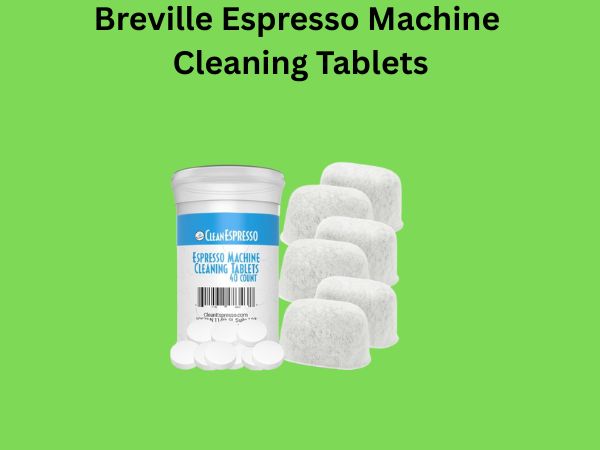
Breville Espresso Machine Cleaning Tablets: How to Use Them Correctly
When you’re passionate about your morning espresso, you know that the quality of your brew depends on more than just great beans. Your Breville espresso machine needs proper maintenance, and that’s where cleaning tablets come into play. If you’ve recently purchased a Breville machine or you’re looking to improve your cleaning routine, you’ve come to the right place. Let me walk you through everything you need to know about using Breville espresso machine cleaning tablets effectively.
Article Outline
- Understanding What Breville Cleaning Tablets Are
- Why Regular Cleaning Matters for Your Espresso Machine
- Types of Breville Cleaning Tablets Available
- Gathering Your Materials and Preparation
- Step-by-Step Guide to Using Cleaning Tablets
- Cleaning the Group Head and Basket
- Backflushing Your Machine
- Running Cleaning Cycles
- Rinsing and Post-Cleaning Procedures
- Frequency and Maintenance Schedule
- Common Mistakes to Avoid
- Troubleshooting Cleaning Issues
- Safety Precautions When Using Cleaning Tablets
- Cost-Effectiveness of Regular Cleaning
- Conclusion
Understanding What Breville Cleaning Tablets Are
Let me start with the basics. Breville espresso machine cleaning tablets are specially formulated products designed to dissolve and remove stubborn coffee residue, oils, and buildup from the internal components of your machine. Think of them as a deep-cleaning solution that goes beyond what water alone can accomplish.
These tablets contain active ingredients that break down the microscopic particles left behind after you brew your espresso. Over time, these particles accumulate and create a layer of buildup that can affect the flavor of your coffee and the performance of your machine. The cleaning tablets work by penetrating this layer and lifting away the debris, leaving your machine spotless and ready to produce the perfect cup.
What Makes Them Different from Other Cleaning Methods
You might wonder why you can’t just use vinegar or regular water to clean your machine. While water certainly helps, it doesn’t have the chemical composition needed to break down concentrated coffee oils. Breville cleaning tablets are specifically engineered to target these oils without damaging the delicate internal components of your espresso machine. They’re like the difference between rinsing your dishes with water versus using actual dish soap – one simply doesn’t compare to the other.
Why Regular Cleaning Matters for Your Espresso Machine
Before diving into the how-to, let’s talk about the why. Regular cleaning isn’t just about aesthetics or making your machine shine. It’s about preserving the longevity of your investment and ensuring consistently delicious espresso.
When coffee oils accumulate inside your machine, they can cause several problems. First, they affect the flavor of your espresso, making it taste rancid or off. Second, they can clog tiny passages and reduce water flow, which compromises extraction. Third, they create an environment where bacteria and mold can thrive, potentially affecting your health. Regular cleaning prevents all of these issues.
The Impact on Machine Longevity
Think of your espresso machine like a car engine. If you never change the oil, eventually the engine seizes up and stops working. Similarly, if you don’t regularly clean your Breville machine, the internal components can become damaged beyond repair. By using cleaning tablets consistently, you’re essentially giving your machine an oil change – you’re keeping everything running smoothly and extending its lifespan significantly.
Types of Breville Cleaning Tablets Available
Breville offers several cleaning products, and it’s important to understand which ones work best for different situations. Not all cleaning tablets are the same, and using the wrong type can be ineffective or potentially problematic.
Espresso Machine Cleaning Tablets
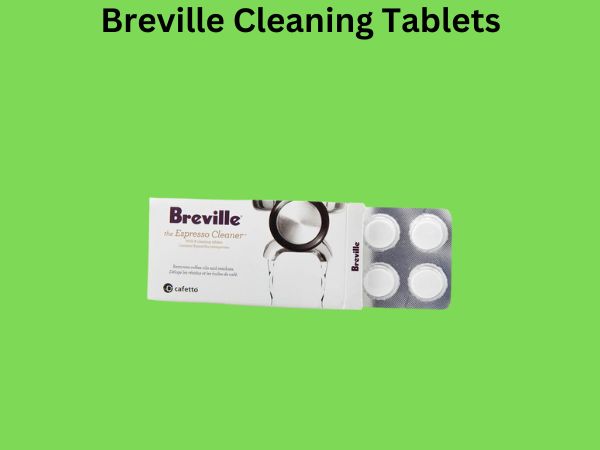
These are the primary tablets you’ll use for routine cleaning. They’re designed to dissolve in water and create a cleaning solution that you run through your machine. They’re particularly effective at breaking down coffee oils that accumulate in the group head, portafilter, and basket.
Descaling Solutions
While not technically cleaning tablets, descaling solutions are another essential product. These remove mineral buildup caused by hard water. If you live in an area with hard water, you’ll need to descale your machine separately from your regular cleaning routine. Some people confuse descaling with cleaning, but they serve different purposes. Cleaning removes coffee residue, while descaling removes mineral deposits.
Milk System Cleaning Tablets
If your Breville machine has a built-in milk frother or steam wand, you might want specialized tablets for cleaning those components. These are formulated to break down milk protein and fat buildup, which is more stubborn than coffee oil.
Gathering Your Materials and Preparation
Before you start the cleaning process, let’s make sure you have everything you need. Proper preparation ensures a smooth and efficient cleaning session.
What You’ll Need
- Breville espresso machine cleaning tablets
- A container or bowl for soaking (preferably one that fits your portafilter)
- Hot water
- Clean towels or paper towels
- Your espresso machine manual for reference
- A small brush for detailed cleaning (optional but helpful)
- Rubber gloves to protect your hands
Preparing Your Machine
First, make sure your machine is turned off and has cooled down. I know it’s tempting to start immediately, but safety comes first. Give it about fifteen to twenty minutes to cool. Next, remove any remaining ground coffee from the group head and basket. You want to start with a relatively clean slate before introducing the cleaning tablets.
Empty the water tank and refill it with fresh water if it’s been sitting for a while. This prevents any old water or residue from interfering with your cleaning process.
Step-by-Step Guide to Using Cleaning Tablets
Now comes the main event. Let me walk you through the process step by step, just as I would if we were doing this together.
Step One: Dissolve the Cleaning Tablet
Start by placing one cleaning tablet in a container with about one liter of hot water. The water should be hot but not boiling – around 160 to 170 degrees Fahrenheit is ideal. As the tablet dissolves, you’ll notice the water changing color and developing a cleaning solution. Let it sit for a minute or two until the tablet is completely dissolved. This typically takes about three to five minutes.
Don’t rush this step. Allowing the tablet to fully dissolve ensures that you have a proper concentration of cleaning agents. If you use partial solution, you’ll get partial results.
Step Two: Fill Your Machine’s Water Tank
Once your cleaning solution is ready, pour it into your Breville machine’s water tank. Make sure the tank is completely filled with the cleaning solution. This is important because you’ll be running this solution through your machine multiple times during the cleaning process.
Cleaning the Group Head and Basket
The group head is where the magic happens – it’s where your portafilter connects to the machine. It’s also where the most coffee residue accumulates, which is why it deserves special attention.
Soaking Your Portafilter and Basket
Remove your portafilter and basket from your machine and soak them in the cleaning solution. If you have extra cleaning solution left over, use it for this purpose. Soak them for about ten to fifteen minutes. During this time, the cleaning solution works its magic, breaking down all that accumulated coffee oil and residue.
After soaking, use a small brush or cloth to gently scrub the inside of the basket and the underside of the portafilter. Pay special attention to the tiny holes in the basket – these often trap the most debris. Don’t scrub aggressively; just enough to dislodge the softened residue.
Cleaning the Group Head Itself
Now it’s time to clean the group head that’s still attached to your machine. This is where many people get nervous, but don’t worry – it’s simpler than you think. First, make sure your machine is still powered off and cool. Then, use a brush specifically designed for espresso machines to gently brush away any loose debris from the group head. Be gentle – you don’t want to damage the internal threads or the shower screen.
If your machine has a removable shower screen, unscrew it carefully and soak it in the cleaning solution for ten minutes as well. This small component often holds onto stubborn residue and deserves individual attention.
Backflushing Your Machine
Backflushing is a technique that some Breville machines support, and it’s incredibly effective for deep cleaning. However, not all models can backflush – check your manual to see if yours can. If it can, here’s how to do it:
Understanding Backflushing
Backflushing involves running water backward through the group head, pushing debris out instead of pushing it deeper into the machine. It’s like reversing the flow to shake out all the buildup. Think of it as a reverse vacuum – instead of sucking dirt in, you’re blowing it out.
The Backflushing Process
- Ensure your machine is still powered off and cool
- Insert your clean, empty portafilter into the group head
- Hold a small container under the group head to catch water
- Turn the water on briefly – just for one to two seconds
- Turn the water off immediately
- Repeat this on-off cycle five to ten times
- With each cycle, you should see debris and discolored water coming out
You’ll know you’re done when the water running out becomes clear or nearly clear. This typically takes about five to ten cycles of backflushing.
Running Cleaning Cycles
This is where the cleaning solution in your water tank really does the work. Running cleaning cycles ensures that the solution reaches every internal component of your machine.
Starting the Cleaning Cycle
With your water tank filled with cleaning solution and your clean portafilter inserted, turn your machine back on. Some Breville models have a dedicated cleaning mode – if yours does, activate it now. If not, simply prepare to brew as you normally would, but instead of putting grounds in the basket, you’ll run the cleaning solution through.
Press your brew button or activate your machine’s pump. Let the cleaning solution run through the group head into a container for about five seconds. Then stop. Wait about five seconds. Repeat this process five to ten times. This continuous on-and-off cycling ensures that the solution gets pushed through all the small passages and chambers inside your machine.
Why the On-Off Cycling Works
You might wonder why we don’t just let the solution run continuously. The reason is that the pulsing action creates pressure changes that help dislodge stubborn buildup. It’s more effective than just flushing, similar to how a pressure washer is more effective than a regular hose.
Rinsing and Post-Cleaning Procedures
After you’ve run the cleaning cycles, your work isn’t quite finished. Proper rinsing is crucial to ensure no cleaning solution residue remains in your machine.
The Rinsing Process
Empty your water tank completely and refill it with fresh, clean water. Run several rinsing cycles to flush out all traces of the cleaning solution. This is important because any leftover cleaning solution will affect the taste of your next espresso. I recommend rinsing at least five to ten times, using the same on-off cycling technique you used for the cleaning solution.
Keep rinsing until the water coming out looks completely clear and you can’t smell any chemical odor from the solution. This ensures that your machine is thoroughly rinsed and ready for brewing.
Reassembling Your Machine
Once everything is rinsed, reassemble your machine. If you removed the shower screen, screw it back in gently – don’t overtighten. Reinstall your portafilter and basket, making sure everything is seated properly. Run one more cycle of fresh water through the group head just to be absolutely certain everything is clean and rinsed.
Frequency and Maintenance Schedule
How often should you clean your machine with these tablets? The answer depends on how frequently you use your machine and the quality of your water.
General Recommendations
If you use your espresso machine daily, I recommend doing a full cleaning with tablets once a week. This keeps everything in top condition and prevents excessive buildup. If you use it less frequently – say, a few times a week – you can stretch it to every two weeks. However, you should still do a quick rinse of the group head and basket after each use.
Additional Descaling Schedule
Separate from the cleaning tablet routine, you should descale your machine with a descaling solution every one to three months, depending on your water hardness. This is a different process from cleaning with tablets, and both are necessary for optimal machine performance.
Common Mistakes to Avoid
Let me share some mistakes I see people make repeatedly, and how you can avoid them.
Using Too Many Tablets
More isn’t always better. Using multiple cleaning tablets in one session doesn’t make your machine cleaner – it just wastes product and can potentially leave residue behind. Follow the manufacturer’s recommendation, which is typically one tablet per cleaning session.
Neglecting to Rinse Thoroughly
I cannot stress this enough – incomplete rinsing is a common problem. People get excited after cleaning and immediately make espresso without rinsing properly. Your first cup will taste terrible, I promise you. Take the time to rinse thoroughly.
Cleaning While the Machine Is Hot
Always wait for your machine to cool. Working with hot components is not only unsafe – you could burn yourself – but it’s also ineffective. The cleaning solution works better at moderate temperatures, and you’ll have better control over the process when everything is cool.
Ignoring the Machine Manual
Different Breville models have different recommendations and capabilities. Some support backflushing, others don’t. Some have specific cleaning modes. Always consult your manual before starting the cleaning process. What works for one model might not be appropriate for another.
Troubleshooting Cleaning Issues
Sometimes things don’t go as planned. Let’s address some common problems and their solutions.
Weak Water Flow After Cleaning
If you notice that water isn’t flowing as strongly as it should after cleaning, it’s possible that you haven’t rinsed thoroughly enough or there’s still debris in the lines. Run additional rinsing cycles with fresh water, using the on-off cycling technique. This should restore normal flow.
Chemical Taste in Your Espresso
This is a sign that cleaning solution residue remains in your machine. Rinse again – and again – until the taste disappears. This usually takes a few extra cycles beyond what you initially thought was enough.