
Breville Barista Touch vs Oracle: Which Premium Machine Is Worth It?
Let me be honest with you—choosing between two premium espresso machines feels a bit like deciding between two luxury cars. Both are impressive, both will get you where you need to go, but one might just fit your lifestyle better than the other. If you’re standing in front of your local coffee equipment shop, staring at the Breville Barista Touch and the Oracle, wondering which one deserves a spot on your kitchen counter, I’m here to help you make sense of it all.
The espresso machine market can feel overwhelming, especially when you’re considering investing serious money into your morning ritual. But here’s the thing—understanding what each machine offers, how they differ, and what matters most to you will make this decision so much easier.
Outline of Our Comparison
- Introduction and Overview
- Design and Aesthetics
- Ease of Use and Learning Curve
- Grinding and Dosing Capabilities
- Temperature Control and Stability
- Pressure and Extraction Quality
- Build Quality and Durability
- Milk Frothing and Steam Performance
- Price Comparison
- Maintenance and Cleaning
- Warranty and Support
- Who Should Buy Which Machine
- Real-World Performance
- Long-term Value Proposition
- Conclusion and Final Verdict
- FAQs
Understanding These Two Coffee Powerhouses
Before we dive into the nitty-gritty details, let me give you some context. Both the Breville Barista Touch and the Oracle are machines that sit in the premium segment of the market. They’re not entry-level machines, and they’re not industrial-grade equipment either. They’re designed for serious home baristas who want to elevate their coffee experience without needing professional certification to operate them.
Think of them as the bridge between casual coffee drinkers and professional baristas. They come loaded with features that automate some of the difficult aspects of espresso making while still giving you control when you want it.
What Is the Breville Barista Touch?
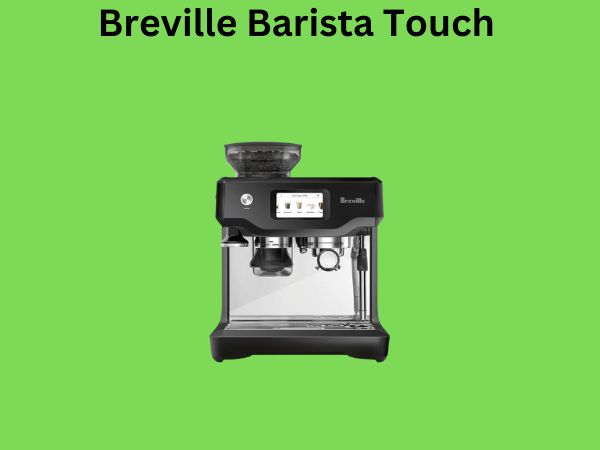
The Breville Barista Touch is Breville’s answer to making espresso accessible. It’s a super-automatic machine that handles much of the work for you. You get a built-in grinder, automatic dosing, and digital controls that display your shots in real-time. It’s like having a helpful coffee assistant right there in your kitchen.
What Is the Oracle?
The Oracle, also by Breville, is the premium big sibling in this relationship. It’s actually a dual boiler system that offers more control, more customization, and frankly, more complexity. The Oracle doesn’t just make espresso—it’s designed to help you understand and perfect your craft.
Design and Aesthetics: First Impressions Matter
When you’re spending this kind of money on an appliance, it’s going to sit on your counter, and it’s going to be noticed. Design matters, not just because of how it looks, but because it reflects the philosophy of the machine.
The Barista Touch’s Sleek Modern Look
The Barista Touch has this contemporary, almost minimalist aesthetic. It’s compact, which is frankly a huge advantage if you don’t have a massive kitchen. The touchscreen display is intuitive and modern-looking. It sits neatly on most countertops without demanding too much real estate. The machine has clean lines and comes in a stainless steel finish that complements most kitchen styles.
The build quality feels solid, though it’s noticeably lighter than you might expect for a machine at this price point. That’s actually intentional—it makes it easier to move around, clean, and maintain.
The Oracle’s Professional Presence
Walk into a specialty coffee shop and you’ll see machines that look similar to the Oracle. It’s got presence. It’s larger, more robust-looking, and commands attention. The Oracle feels like a piece of professional equipment that happens to fit in your home, rather than a consumer appliance masquerading as something professional.
The stainless steel construction is heavier gauge, the components feel more substantial, and honestly, it just looks like it means business. If you’re someone who takes pride in having quality equipment that shows its capability through its appearance, the Oracle delivers that.
Ease of Use and Learning Curve: The Speed to Your First Great Shot
Here’s where these machines start to show their real differences, and this might be the most important factor for many people.
Barista Touch: Designed for Quick Mastery
The Barista Touch is genuinely easy to use. You don’t need to understand espresso chemistry to pull a decent shot. Here’s what a typical first experience looks like:
- Fill the water tank
- Add beans to the grinder
- Press a button
- Watch the digital display tell you when to stop
- Pull a respectable shot
The automatic dosing is actually impressive. The machine weighs your coffee and stops grinding when it hits your target. The digital display shows you real-time information about your shot—how long it’s running, the flow rate, everything. It’s like having the shot parameters right in front of your eyes.
Most people can pull a good shot within their first few attempts. Not a perfect shot, maybe not even a great shot, but certainly a good one. That sense of accomplishment early on is motivating and keeps people engaged with the machine.
Oracle: The Learning Machine
The Oracle is different. It’s more powerful, yes, but it also demands more from you. It doesn’t automatically stop grinding—you need to manage that yourself. The dual boiler system gives you independent control over brew temperature and steam temperature, which is fantastic for optimization but requires you to understand what those settings actually do.
Your first shot on the Oracle might be underwhelming. Your second might be terrible. Your tenth might be pretty good. But here’s the thing—once you start getting great shots consistently, you’ll understand why this machine exists. You’re not being assisted; you’re being empowered.
The learning curve is steeper, but it’s also more rewarding for people who want to truly understand espresso extraction and become skilled baristas.
Grinding and Dosing: Getting the Foundation Right
Every great espresso starts with proper grinding and dosing. This is non-negotiable. Let’s see how each machine handles this crucial step.
Barista Touch Grinder Performance
Both machines come with built-in grinders, which is convenient. The Barista Touch’s grinder is solid and comes with automatic dosing, which means you set your target amount and the machine grinds until it reaches that weight. This is genuinely useful for consistency.
The grinder itself is burr-based, which is important—you want burr grinders, not blade grinders, for espresso. It has multiple grind settings, so you can adjust the consistency from finer to coarser depending on your bean and preferences.
Oracle Grinder Performance
The Oracle’s grinder is more advanced. It’s also burr-based, but it’s designed to handle a wider range of beans and grind profiles. The manual dosing means you have direct control—you’re actively participating in the process, which some people love and others find tedious.
The grinder produces a more consistent particle size across different grind settings, which matters when you’re trying to dial in shots precisely. If you’re using specialty beans, you’ll appreciate this refinement.
Temperature Control and Stability: The Heat of the Matter
Temperature control in espresso machines is like the thermostat in your home—get it wrong, and nothing works properly.
Barista Touch Temperature Management
The Barista Touch uses a single boiler system with technology that Breville calls ThermoJet. It heats water to the correct temperature incredibly quickly—we’re talking seconds, not minutes. This is a game-changer if you don’t have patience for warm-up times.
Temperature stability during a shot is good, though not absolutely perfect. Because it’s a single boiler, you’re managing one temperature for both brewing and steaming. This works well, but there’s a slight limitation—you might need to wait a moment between switching from brewing to steaming mode to avoid overheating.
Oracle Temperature Control
The Oracle’s dual boiler system is where this machine truly shines for serious enthusiasts. You have one boiler dedicated entirely to brewing and another to steaming. This means you can brew at one temperature and steam at another simultaneously, without any compromise.
Temperature stability on the Oracle is exceptional. You can dial in your brew temperature with precision and trust that it’s going to be consistent shot after shot. For someone who’s trying to explore how temperature affects their espresso, this level of control is invaluable.
Pressure and Extraction Quality: Where the Magic Happens
Espresso extraction is where chemistry and physics meet your morning coffee. Both machines handle this, but differently.
Barista Touch Extraction
The Barista Touch maintains 9 bars of pressure, which is the standard for espresso machines. Nine bars is what you need to extract espresso properly—too little pressure and you get weak, under-extracted shots; too much and you’re wasting coffee. It hits this mark reliably.
The real advantage here is that the machine helps you with distribution and tamping. The intelligent portafilter uses sensors to guide you, and the consistent pressure means you get consistent results once you understand the basics.
Oracle Extraction Power
The Oracle also maintains 9 bars of pressure, but because you have more control over variables like temperature and pre-infusion timing, you can achieve extraction profiles that the Barista Touch simply can’t touch.
Pre-infusion is a feature where water slowly saturates the coffee puck before full pressure is applied. This creates more uniform extraction. The Oracle lets you control this, which means you can adapt to different beans and roast profiles in ways that feel almost like magic once you understand it.
Build Quality and Durability: Will It Last?
You’re investing real money here, so longevity matters.
Barista Touch Durability
The Barista Touch feels well-made and handles regular use beautifully. The components are quality, though some parts are plastic rather than metal. This isn’t necessarily a negative—plastics used here are durable and food-safe, and they make the machine lighter and easier to maintain.
Users report these machines running reliably for years with proper maintenance. The electronic components are solid, and Breville’s customer support is generally responsive if something does fail.
Oracle Build Quality
The Oracle is built like a tank. More components are metal, the overall construction is heavier, and it just feels like it’s designed to last decades with proper care. The dual boiler system is a testament to this philosophy—it’s more complex, but each component is robust.
These machines are often found in commercial settings, which tells you something about their durability. Home users report these machines running flawlessly for many years, even with heavy daily use.
Milk Frothing and Steam Performance: Making Lattes and Cappuccinos
Not everyone cares about milk drinks, but if you do, this matters.
Barista Touch Steaming
The Barista Touch comes with an automatic milk frother system that’s genuinely impressive for its ease of use. You add milk, press a button, and it froths automatically to your desired texture. This is fantastic if you want consistently good microfoam without thinking about technique.
For manual steaming with a traditional steam wand, the single boiler means you’ll need a moment to adjust pressure after brewing, but it performs well once you’re in steaming mode.
Oracle Steam Capability
The Oracle’s dedicated steam boiler means you can steam milk whenever you want, immediately, at full power. The steam wand is a traditional manual wand, so you’ll need to develop technique, but the steam quality is exceptional—powerful and consistent.
If you care about latte art and perfect microfoam, the Oracle’s steam performance will give you what you need. There’s no automation here; it’s pure technique and power.
Price Comparison: What Are You Actually Spending?
Let’s talk money, because this is real.
The Breville Barista Touch typically costs between $600 and $700, depending on sales and where you buy it. It’s a significant investment, but it’s accessible for serious home coffee enthusiasts.
The Oracle typically costs between $2,000 and $2,500. Yes, that’s roughly three times the price. That’s a serious jump, and it’s the kind of decision that requires real consideration.
Here’s how to think about it: The Barista Touch is expensive but accessible. The Oracle is expensive and aspirational. If the Oracle were a car, it’d be a really nice sports sedan. If the Barista Touch were a car, it’d be a really good Honda Accord—reliable, satisfying, and won’t break your budget too badly.
Maintenance and Cleaning: The Unglamorous Reality
This is where romance meets reality. No matter how great an espresso machine is, you need to clean it.
Barista Touch Maintenance
The Barista Touch is relatively easy to maintain. The automatic milk frother is self-cleaning—you just run water through it. The grinder is accessible for cleaning. Daily maintenance takes maybe ten minutes, and monthly deep cleaning perhaps thirty minutes.
The smaller footprint means less surface area to worry about, and everything is designed with accessibility in mind.
Oracle Maintenance
The Oracle requires more thorough maintenance because of its complexity. The dual boiler system means more components to consider. Monthly deep cleaning and purging routines are important to keep everything running optimally.
That said, it’s not difficult—just more involved. If you enjoy tinkering and maintaining equipment, this might actually appeal to you. If you want to spend minimal time on upkeep, the Barista Touch is simpler.
Warranty and Support: Peace of Mind
Both machines come with solid warranties. The Barista Touch typically includes a one-year warranty with options to extend. The Oracle usually has a similar baseline warranty.
Breville’s customer support is generally reliable for both machines, though finding service centers for Oracle repairs might be slightly less convenient since fewer people own them. That said, both machines are well-established in the market with good support ecosystems.
Who Should Buy the Barista Touch?
The Barista Touch is for you if you:
- Want great espresso without spending years learning the craft
- Value convenience and automation alongside quality
- Have limited counter space
- Enjoy milk-based drinks and appreciate automatic frothing
- Want a machine that’s easy to maintain
- Are budget-conscious but serious about quality
- Want reliable, consistent shots quickly