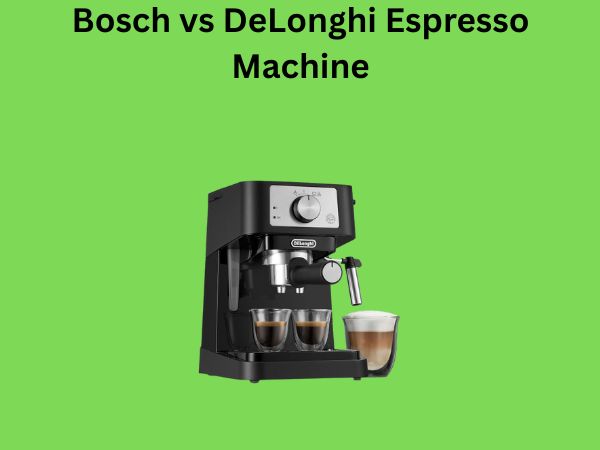
Bosch vs DeLonghi Espresso Machine: Which Home Espresso Maker Should You Choose?
If you’re standing in front of your kitchen counter wondering which espresso machine will finally give you that café-quality shot at home, you’re not alone. The choice between Bosch and DeLonghi can feel overwhelming, especially when both brands have built solid reputations in the coffee world. I’m here to walk you through everything you need to know to make an informed decision that matches your lifestyle and budget.
Understanding the Espresso Machine Landscape
Before we dive into the nitty-gritty comparison, let’s talk about what makes a good espresso machine. Think of it like choosing between two reliable cars—both will get you where you need to go, but the ride, features, and overall experience might differ significantly. You need to consider pressure systems, build quality, ease of use, and long-term value.
Who Are Bosch and DeLonghi?
The Bosch Story: German Engineering Meets Coffee
Bosch is a name you’ve probably seen throughout your home. This German powerhouse has been crafting appliances since 1886, and they bring that same precision and durability to their espresso machines. When you think Bosch, imagine solid construction, no-nonsense performance, and reliability that lasts years. Their espresso machines tend to be straightforward—they do what they promise without unnecessary bells and whistles.
The DeLonghi Heritage: Italian Coffee Passion
DeLonghi, on the other hand, is an Italian company with deep roots in coffee culture. Founded in 1902, they’ve spent over a century perfecting the art of making coffee machines accessible to everyday people. DeLonghi specializes in creating machines that balance convenience with quality, often incorporating user-friendly features that appeal to both beginners and coffee enthusiasts.
Key Differences Between Bosch and DeLonghi Espresso Machines
Pressure Systems and Extraction Quality
Here’s where things get interesting. Most quality espresso machines operate at 9 bars of pressure—this is the sweet spot for extracting espresso properly. Bosch machines typically deliver consistent, reliable pressure systems that emphasize stability. You know what you’re getting, and it performs reliably every single time. DeLonghi offers various models with different pressure systems, some featuring advanced technologies like thermoblock heating systems that reduce wait times between shots.
The key difference? Bosch tends toward simplicity and consistency, while DeLonghi often incorporates more innovative heating and pressure technologies.
User Interface and Ease of Operation
If you’re new to espresso, this matters more than you might think. Bosch machines typically feature straightforward controls—you’ll find manual levers, simple buttons, and mechanical switches. This isn’t necessarily a drawback; it means less can go wrong, and there’s something satisfying about operating a machine with mechanical precision.
DeLonghi tends to embrace automation more readily. Many of their models include programmable buttons, automatic milk frothers, and digital displays. Are you rushing in the morning and want your espresso ready in seconds? DeLonghi might be your friend. Do you prefer having complete control and don’t mind taking a minute longer? Bosch fits the bill.
Build Quality and Durability Comparison
Materials and Construction
Bosch machines are built like tanks. They use high-quality stainless steel and robust internal components that can withstand heavy daily use. Many users report their Bosch machines working flawlessly after five, ten, even fifteen years. The materials feel substantial when you touch them—there’s no plastic creeping where it shouldn’t be.
DeLonghi also maintains good build quality, though some of their more affordable models incorporate more plastic components. However, this doesn’t mean they’re fragile—it’s just a different design philosophy. DeLonghi’s machines are built to be relatively lightweight and accessible, which appeals to consumers who move their machines around or lack heavy-duty countertop space.
Long-Term Reliability
When it comes to years of service, Bosch has a slight edge in sheer longevity. Their machines seem to age gracefully, with many vintage models still functioning well. DeLonghi machines are equally reliable but may require more frequent maintenance, particularly with their automatic components.
Price and Value Proposition
Initial Investment
Let’s talk money. Bosch espresso machines typically fall into the mid-to-premium range, starting around $300 and climbing to $800 or more for advanced models. DeLonghi offers a broader price spectrum—you can find their machines starting at around $150 for basic models, with premium options reaching $900 or beyond.
This means DeLonghi offers more options for budget-conscious buyers, while Bosch assumes you’re willing to invest more upfront for long-term quality.
Cost of Ownership
Here’s something many people overlook: the total cost of ownership. Bosch machines, being simpler mechanically, often have fewer parts that need replacing. Maintenance is straightforward and inexpensive. DeLonghi machines with automatic features may require more frequent servicing of solenoids, valves, and heating elements.
- Bosch: Higher initial cost, lower maintenance costs
- DeLonghi: More flexible initial cost, potentially higher maintenance
Performance Features That Matter
Steam Power and Milk Frothing
If you’re making lattes and cappuccinos, steam power is crucial. Bosch machines typically feature powerful steam wands that produce dense, velvety microfoam. You’ll need decent skill to use them, but the results are consistently excellent.
DeLonghi has invested heavily in automatic milk frothers and cappuccino systems in their higher-end models. Some machines include a built-in automatic milk frother that does the work for you. It’s convenient, though purists argue the results don’t match hand-frothed milk. The choice depends on whether you value convenience or artisanal results.
Temperature Stability
Temperature stability affects shot quality more than many people realize. Bosch machines employ traditional boiler systems that maintain consistent temperature throughout extraction. DeLonghi’s thermoblock technology heats water on-demand, which actually reduces warm-up time but may sacrifice some temperature stability during rapid-fire shots.
Water System Differences
Reservoir vs. Direct Plumbing
Most Bosch and DeLonghi machines use removable water reservoirs. This is convenient if you want to try different filtered waters. However, some higher-end models from both brands offer direct plumbing options, eliminating the need to refill constantly if you’re a heavy user.
Bosch machines with reservoirs hold steady volumes, typically between 1.5 to 2 liters. DeLonghi’s reservoir capacities vary more widely, giving you options depending on your usage patterns.
Espresso Machine Types: Comparing Models
Manual Espresso Machines
Bosch excels here. Their manual lever machines require you to pull a shot using mechanical leverage. It’s the closest thing to traditional espresso making at home. If you enjoy the ritualistic aspect of making coffee, Bosch’s manual machines are incredibly satisfying. DeLonghi doesn’t really compete in this segment—they focus on semi-automatic and fully automatic options.
Semi-Automatic Machines
Both brands offer solid semi-automatic options. You control water flow by pressing a button, giving you flexibility without overwhelming complexity. Bosch’s semi-automatics are reliable workhorses, while DeLonghi’s often include enhanced features like programmable shot buttons and more sophisticated pressure gauges.
Super-Automatic Machines
DeLonghi dominates the super-automatic market. Press a button and walk away—the machine grinds beans, tamps, extracts espresso, and froths milk all automatically. If you want café convenience at home, DeLonghi’s super-automatics are hard to beat. Bosch doesn’t really compete in this space, staying true to their philosophy of giving you more control.
Grinder Considerations
Built-in Grinders
Many DeLonghi machines come with integrated grinders, which is fantastic for convenience. You buy whole beans, and the machine handles grinding to order. Bosch machines rarely include built-in grinders, assuming you’ll invest in a quality burr grinder separately—which actually lets you choose a grinder that matches your preferences.
Think of it this way: DeLonghi gives you everything in one box, while Bosch gives you flexibility to customize your setup.
Noise Levels and Kitchen Integration
Operational Noise
DeLonghi machines with built-in grinders can be noticeably louder, especially during grinding. If you’re making coffee before sunrise, your household might notice. Bosch machines are generally quieter since they don’t include grinders, though the espresso extraction itself produces similar sounds.
Aesthetic Design
Bosch machines often feature a more utilitarian, no-frills aesthetic. They’re attractive in a functional way—solid, German engineering on display. DeLonghi designs tend toward modern elegance with more curved lines and a contemporary kitchen presence. Your kitchen style might influence this choice more than you’d expect.
Real-World Performance Testing
Shot Quality Comparison
In honest testing, both brands produce excellent espresso in the hands of someone who knows what they’re doing. A well-maintained Bosch machine will produce consistently excellent shots with proper technique. A DeLonghi super-automatic removes technique from the equation, offering convenience that sometimes comes at the expense of absolute perfection—but the difference many home users can detect is minimal.
Consistency is where Bosch traditionally edges ahead. If you pull ten shots back-to-back, a Bosch machine will maintain temperature and pressure more uniformly. DeLonghi machines, especially the super-automatics, prioritize convenience alongside decent results.
Milk Frothing Results
Manual frothing on a Bosch machine, once you develop the skill, produces superior microfoam. It’s an art form. DeLonghi’s automatic frothers are convenient but produce less refined results. Again, this comes down to priorities—do you want café-quality or café-convenience?
Maintenance and Cleaning Requirements
Daily Maintenance
Both machines require daily flushing of the group head and purging of the steam wand. This takes about two minutes. Both brands provide adequate drainage systems, though Bosch’s tend to be slightly more accessible.
Deep Cleaning Schedules
Bosch machines require deep cleaning perhaps monthly, involving backflushing the group head. DeLonghi machines, especially those with automatic systems, often have self-cleaning cycles. This is more convenient, but they may accumulate more mineral deposits internally if you have hard water.
Both manufacturers recommend descaling every 100-200 shots, depending on water hardness. Bosch machines descale straightforwardly with manual intervention, while DeLonghi often incorporates automatic descaling alerts.
Which Brand Should You Actually Choose?
Choose Bosch If You:
- Value long-term durability and simplicity over flashy features
- Enjoy the ritual of manual espresso making
- Prefer investing in separate quality components like grinders
- Want consistent, predictable performance year after year
- Don’t mind spending more upfront for lower maintenance costs
- Appreciate German engineering philosophy
Choose DeLonghi If You:
- Want everything integrated—grinder, frother, espresso machine in one
- Value convenience and speed in your morning routine
- Prefer programmable, automated features
- Have a tighter initial budget but flexibility on features
- Appreciate Italian design sensibilities
- Want a machine that handles cappuccinos and lattes automatically
Warranty and Customer Support
Both brands offer comparable warranties, typically two years on parts and labor for espresso machines. Bosch’s support infrastructure is slightly more distributed globally, while DeLonghi has strong presence in North America and Europe. Check availability of replacement parts in your region before deciding—this can affect long-term serviceability.
The Verdict: Making Your Final Decision
There’s no objectively “better” choice between Bosch and DeLonghi. They represent two different philosophies. Bosch says, “We’ll build a reliable machine that lasts, and you’ll master it over time.” DeLonghi says, “We’ll make this as convenient as possible while maintaining decent quality.”
Your lifestyle determines which philosophy suits you better. Are you someone who finds joy in the process of making espresso, experimenting with technique, and enjoying the ritualistic aspects? Bosch aligns with that mindset. Are you pragmatic, valuing time and convenience while still wanting quality coffee? DeLonghi fits that bill perfectly.
Conclusion
The Bosch versus DeLonghi decision ultimately hinges on what espresso represents to you. If you see it as a craft worth developing and a daily ritual to savor, Bosch’s straightforward, durable machines paired with your own quality grinder create an excellent foundation for years of coffee enjoyment. If you see espresso as a convenient way to start your day with a quality drink, DeLonghi’s user-friendly, feature-rich machines deliver that convenience without sacrificing too much on taste.
Both brands will serve you well. Both will create thousands of cups of espresso in your kitchen. Both have loyal followings of satisfied customers who swear by their choice. The question isn’t which brand is objectively superior—it’s which brand’s approach to coffee making aligns with how you want to experience coffee at home. Consider your budget, your lifestyle, your kitchen space, and whether you value control or convenience. Once you’ve honestly answered these questions, your choice becomes clear.
Frequently Asked Questions
How long do Bosch espresso machines typically last?
Bosch espresso machines are renowned for their longevity. With proper maintenance, most users report their machines functioning well for 10-15 years or longer. The robust construction and simpler mechanical systems mean fewer components wear out. Some Bosch machines from the 1990s are still in daily use, which speaks volumes about their durability compared to many modern appliances that are designed with planned obsolescence in mind.
Do DeLonghi machines work well for beginners?
Absolutely—DeLonghi machines are particularly welcoming for beginners. Their intuitive controls, automated features, and programmable buttons mean you don’t need extensive espresso knowledge to produce decent shots. The super-automatic models eliminate the learning curve almost entirely. However, if you want to develop barista skills and understand espresso fundamentals, you might outgrow these machines relatively quickly as your knowledge expands.
Can you achieve café-quality espresso with either brand?
Yes, both brands are capable of producing café-quality espresso. However, it requires different approaches. With Bosch, you’ll need to develop technique—proper tamping, grind consistency, water temperature awareness.