
Bosch vs Breville Espresso Machine: Which Brand Is Better?
If you’re standing in front of your computer screen right now, trying to decide between a Bosch and Breville espresso machine, you’re definitely not alone. This is one of those decisions that keeps coffee enthusiasts up at night—and not just because of the caffeine. Both brands have earned solid reputations in the coffee world, but they approach espresso-making differently. So let’s dig into this comparison and help you figure out which one actually deserves a spot on your kitchen counter.
Understanding the Two Brands Behind the Machines
Who Is Bosch?
Bosch is a German engineering giant that’s been around since 1886. When you think of Bosch, you probably picture power tools or automotive parts, right? But they’ve also ventured into the kitchen appliance space with surprising competence. Their espresso machines carry that classic German engineering DNA—precision, durability, and a focus on getting the fundamentals right. Bosch machines tend to be straightforward, reliable workhorses that don’t necessarily wow you with fancy features, but they deliver consistent results day after day.
Who Is Breville?
Breville, on the other hand, is an Australian company that has built its entire reputation on premium kitchen appliances. They’re the innovators, the ones who constantly tinker with designs and introduce new technologies. If Bosch is the reliable sedan, Breville is the sports car with all the bells and whistles. They’re particularly known for their espresso machines that combine user-friendly interfaces with impressive technical capabilities. Breville tends to attract people who want a bit more automation and convenience built into their brewing process.
Comparing Build Quality and Materials
Bosch Construction Standards
Here’s what you need to know about Bosch machines: they’re built like tanks. When you pick one up, you immediately feel the weight and solidity. The materials used are typically stainless steel and aluminum, which means these machines are designed to last. There’s no plastic where it doesn’t belong, and the internal components are engineered to withstand years of regular use. It’s the kind of machine you might pass down to your kids, honestly.
Breville’s Design Philosophy
Breville machines are also well-constructed, but they approach it differently. They use a mix of stainless steel and some premium plastics in strategic places. The benefit here is that Breville can pack more technology into a lighter package. Their machines often have more moving parts due to automation features, which means there’s slightly more that can go wrong—but when it’s working properly, you get a more refined experience. Think of it like comparing a Swiss watch to a well-made mechanical clock; both are excellent, but one is more intricate.
Exploring Machine Types and Available Models
Bosch’s Machine Lineup
Bosch offers a more limited range of espresso machines compared to Breville. Their lineup tends to focus on traditional machines and super-automatic models. You’ll find that Bosch machines are often designed for specific use cases—whether you want something manual or fully automatic. They don’t offer as many mid-range options with integrated grinders, which means if you want a grinder, you might need to shop separately.
Breville’s Diverse Portfolio
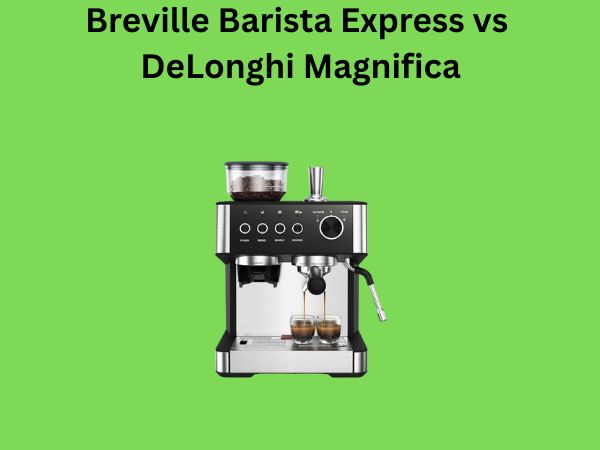
Breville’s range is impressively diverse. They have everything from basic pump-driven machines to ultra-premium super-automatic models. Their flagship Barista Express, for instance, became so popular that it basically revolutionized how home coffee enthusiasts think about integrated grinder-espresso machines. You’ll find options at almost every price point, which means you can find a Breville machine that fits your budget and lifestyle more easily than with Bosch.
Heating Technology and Temperature Control
Bosch’s Heating Systems
Bosch machines typically use traditional heating elements with thermostats. This is reliable technology that’s been proven over decades. However, it means you might experience some temperature fluctuations if you’re brewing multiple shots back-to-back. The machines usually require a warm-up time before you can start brewing, which is something to consider if you’re the type who wants espresso immediately after waking up.
Breville’s ThermoJet Technology
Many Breville machines feature proprietary heating technologies like ThermoJet, which is essentially a rapid heating system. This means your machine reaches brewing temperature in about three seconds instead of thirty. It’s a huge convenience factor if you’re impatient like many of us are. Additionally, Breville tends to offer better temperature stability during consecutive shots, which makes a real difference when you’re pulling multiple espressos.
Heat Exchange vs. Dual Boiler
In higher-end models, you’ll find discussions about heat exchange systems versus dual boilers. Heat exchange systems are more common in Bosch machines—they use a single boiler with pipes running through it to manage temperature for both brewing and steaming. Dual boiler systems, found in some Breville models, maintain separate temperatures for brewing and steaming. If you’re someone who frequently switches between espresso and milk-based drinks, the dual boiler approach in certain Breville machines can actually save you time.
Ease of Use and User Interface
Bosch Simplicity
If you value simplicity, Bosch machines often deliver. Their controls are usually straightforward—you’re not navigating through complex menus or learning dozens of functions. This appeals to people who want to focus on the coffee itself rather than mastering machine controls. However, this simplicity sometimes comes at the cost of customization options. You’re working within parameters that Bosch has set for you.
Breville’s User-Friendly Innovation
Breville machines often feature digital displays, programmable buttons, and intuitive touch controls. Even though they offer more features, they’ve generally done a good job making them accessible to beginners. Models like the Barista Express have one-touch buttons that work beautifully, while their premium models offer extensive customization without feeling overwhelming. This is where Breville really shines—they’ve made advanced functionality feel approachable.
Integrated Grinder Considerations
Bosch’s Grinder Integration
Not all Bosch espresso machines come with integrated grinders. When they do, they’re solid performers, but they’re not typically as refined as what you’ll find in premium Breville models. If you go with Bosch, you might actually prefer purchasing a separate burr grinder, which gives you more control and often produces better consistency.
Breville’s Grinder Advantage
Breville’s integrated grinders, particularly in their mid-to-premium range, are genuinely impressive. The Barista Express grinder, for example, became the gold standard for machine-integrated grinders. Breville invested heavily in getting this right, and it shows. If you want everything in one machine and don’t want to compromise on grind quality, Breville is your better bet.
Water Temperature Stability During Extraction
Here’s something that separates good espresso machines from mediocre ones: temperature stability during extraction. When you’re pulling a shot, you want the water temperature to remain consistent throughout the 25-30 second extraction. Bosch machines are generally consistent here—they maintain temperature well enough for quality espresso. Breville machines, especially their premium models with dual boilers or advanced heating systems, often have a slight edge in maintaining temperature stability, which can result in more nuanced flavor extraction.
Pressure Systems Explained
What Pressure Means for Espresso
Both brands recognize that espresso requires pressure—typically 9 bars. Most machines deliver this through a pump system. The question isn’t whether they have pressure, but how consistently they maintain it and how much control you have over the pressure dynamics.
Bosch’s Pressure Approach
Bosch machines deliver reliable, consistent pressure. You’re getting solid, no-nonsense extraction. They don’t typically offer pressure profiling or the ability to manipulate pressure during extraction—it is what it is. For most home users, this is perfectly fine.
Breville’s Advanced Pressure Features
Some Breville models offer pre-infusion technology, which applies lower pressure initially before ramping up to full extraction pressure. This helps with better extraction, especially with lighter roasts. It’s not essential, but it’s another example of how Breville adds thoughtful features that improve the overall experience.
Price Point Comparison and Value Proposition
Entry-Level Pricing
At the entry level, both brands are reasonably competitive. You can find basic Bosch pump espresso machines for around $300-400, while Breville starts around $400-500. The price difference isn’t massive, but you’re already seeing Breville pack more features into that price range.
Mid-Range Offerings
This is where Breville pulls ahead in terms of value perception. The Barista Express sits around $600-700 and offers an integrated grinder that actually works well. A comparable Bosch setup might require you to add a separate grinder, pushing your total investment higher. That said, Bosch machines in this range are often more durable and require less maintenance.
Premium Machines
In the premium category ($1000+), both brands offer excellent machines. Bosch’s premium offerings emphasize durability and traditional espresso-making. Breville’s premium machines pack more technology and automation. Your choice here depends on whether you value maximum features or maximum longevity.
Warranty Coverage and Customer Support
Bosch Warranty Details
Bosch typically offers a 2-year warranty on their espresso machines, which is standard in the industry. Their customer support is reliable, though they’re a massive company, so you might not get the personalized touch you’d hope for. Spare parts are usually available and reasonably priced.
Breville Warranty Coverage
Breville offers 1-3 year warranties depending on the model and region. Their customer service is often praised for being responsive and helpful. Since they’re more focused on kitchen appliances, they tend to have expertise specifically in their products. Finding spare parts is easy, and they’re often backward compatible across models.
Maintenance and Cleaning Requirements
Bosch Maintenance Demands
Bosch machines are straightforward to maintain. The simpler design means fewer things to clean and maintain. Regular backflushing, basket cleaning, and occasional descaling are your main tasks. Parts are durable and rarely need replacement if you’re taking care of your machine.
Breville Maintenance Considerations
Breville machines, especially those with integrated grinders and more complex heating systems, require a bit more attention. You’ll need to clean the grinder burrs regularly, maintain the internal heating system, and perform more frequent descaling. It’s not difficult, but it requires more steps and a bit more commitment to keep everything running smoothly.
Noise Levels During Operation
Let’s talk about something often overlooked: noise. If you’re making espresso early in the morning while others are sleeping, this matters. Bosch machines tend to be relatively quiet—the simple mechanical systems don’t generate excessive noise. Breville machines, particularly those with integrated grinders, can be noisier. The grinder especially can produce significant noise. If quiet operation is important to you, Bosch has a slight advantage here.
Real User Experiences and Common Feedback
What Bosch Users Say
Bosch machine owners frequently praise reliability and durability. You’ll see reviews mentioning machines that have been running for 5, 10, even 15 years without major issues. The main complaints usually revolve around limited features and sometimes slow warm-up times. Users appreciate the straightforward operation and robust construction.
Breville User Experiences
Breville owners love the features, the integrated grinders, and the rapid heat-up times. They’re enthusiastic about the machines and often feel like they got more capability for their money. Common concerns involve occasional issues with integrated grinders over time and the complexity of machines with many features. Despite these concerns, satisfaction ratings are generally high.
Which One Should You Actually Choose?
Choose Bosch If You Want:
- A machine built to last decades with minimal issues
- Simple, intuitive operation without overwhelming features
- A quieter machine for early morning brewing
- Lower maintenance requirements overall
- A traditional espresso-making experience
- Strong reliability reputation backed by years of industrial engineering
Choose Breville If You Want:
- Rapid heat-up times and modern convenience features
- An integrated grinder that actually performs well
- More control and customization options
- A wider range of models to choose from
- Advanced technology like pre-infusion and temperature control
- Excellent customer support for their kitchen appliances
The Final Verdict
Neither brand is objectively “better”—they’re just better for different people. Bosch is your choice if you value timeless reliability, simplicity, and a machine that performs consistently without requiring much fussing. Breville is your choice if you want modern conveniences, integrated solutions, and the ability to customize your espresso-making process. Both brands will give you quality espresso if you know what you’re doing. The question is really about what your lifestyle demands and what brings you joy in the morning coffee ritual.
Conclusion
The Bosch versus Breville espresso machine debate doesn’t have a one-size-fits-all answer, and that’s actually okay. I’ve walked you through the key differences, from build quality to heating technology to price points, and hopefully you can now see which brand aligns better with your specific needs and preferences. If you’re someone who appreciates German engineering, values simplicity, and plans to keep your espresso machine for a lifetime, Bosch deserves serious consideration. If you’re eager to embrace modern technology, want an all-in-one solution with a quality integrated grinder, and appreciate having more features and customization options, Breville is probably your answer. Whichever you choose, you’re getting a quality machine from a reputable brand. The real joy comes from what you’ll create with it—so choose the one that makes you excited to pull shots every single morning.
Frequently Asked Questions
Can I use aftermarket grinders with both Bosch and Breville espresso machines?
Absolutely. Both brands work perfectly with