
Bean to Cup vs Espresso Machine: What’s the Real Difference?
I get this question all the time from friends who are tired of spending their rent money at coffee shops. You’re standing in the kitchen, staring at two completely different machines, and honestly, you’re confused about which one deserves space on your countertop. Should you go with the fancy bean to cup coffee maker, or stick with the classic espresso machine that your barista friend won’t stop raving about? Let me break this down for you in a way that actually makes sense.
Understanding the Basics: What Are We Really Comparing?
Before we dive into the nitty-gritty details, let’s establish what we’re actually talking about here. These two machines might both produce delicious coffee, but they’re about as different as a smartphone and a landline—they both make calls, but that’s where the similarities end.
What Exactly Is a Bean to Cup Machine?
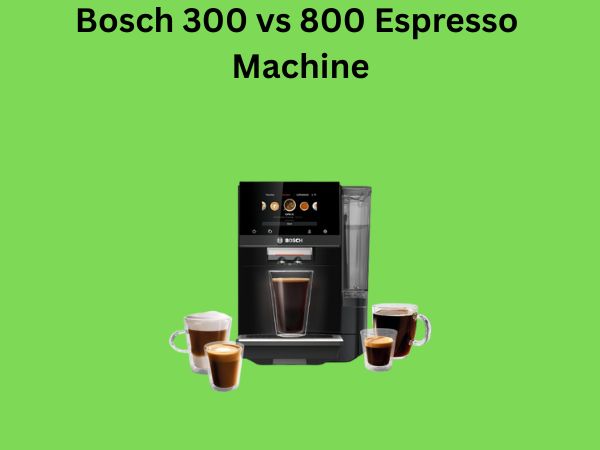
A bean to cup machine is essentially a coffee lover’s dream of convenience wrapped in stainless steel. Imagine a machine that respects your time so much that it handles literally everything from start to finish. You dump in your beans, press a button, and out comes your finished coffee. It’s like having a personal barista who never complains and works 24/7.
These machines feature built-in grinders, heating systems, and brewing mechanisms all working together in harmony. The entire process is automated—the beans get ground, the water gets heated to the perfect temperature, and the coffee gets extracted without you lifting a finger (except to press that button).
What Exactly Is an Espresso Machine?
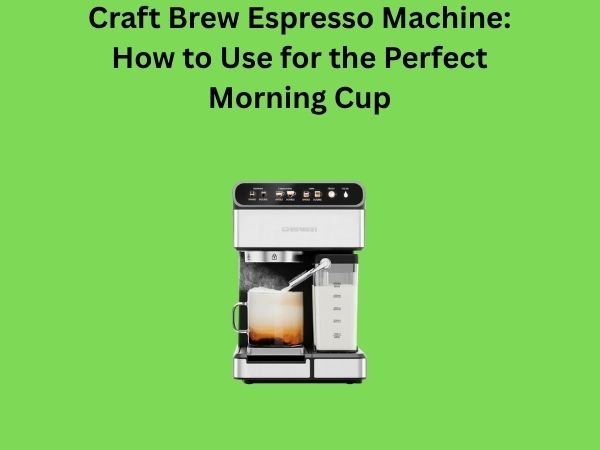
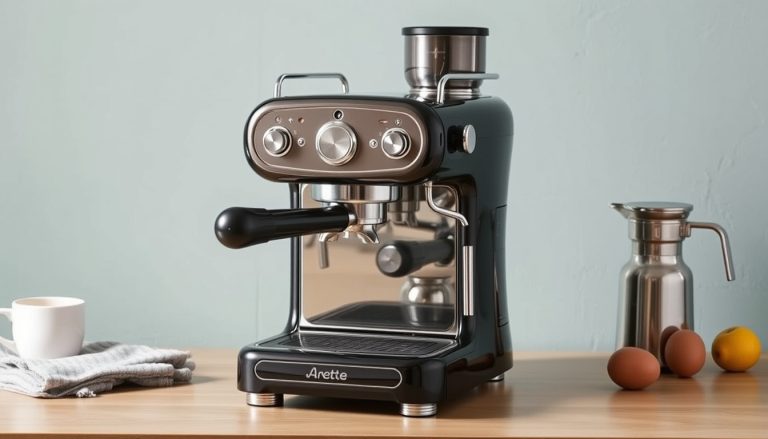
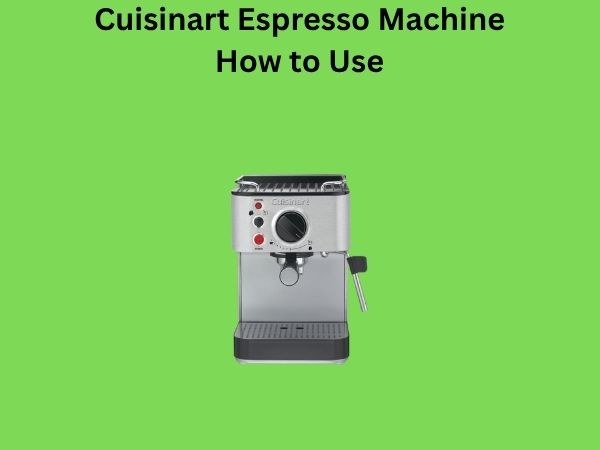
Now, an espresso machine is more of a hands-on artist’s tool. Think of it like the difference between writing on a word processor versus using a typewriter. With an espresso machine, you’re involved in nearly every step. You grind the beans yourself, tamp the grounds with precision, position the portafilter just right, and then pull the shot.
An espresso machine doesn’t do the thinking for you. It provides the power and heat needed to force water through coffee grounds under pressure, but the quality of your espresso depends heavily on your technique and attention to detail.
The Grinding Game: Automation Versus Control
Here’s where things get interesting. The grinding process might seem simple, but it’s actually where a lot of the magic happens in coffee making.
Bean to Cup Grinding: Set It and Forget It
Bean to cup machines come with integrated burr grinders that adjust automatically based on what drink you’re making. Want a shot of espresso? The machine grinds finer. Need an Americano? It adjusts the grind coarseness and the brewing time automatically. You’re basically handing over all the decision-making to a computer chip.
This sounds amazing, and for most people, it is. You’re guaranteed consistency every single time you use the machine. But here’s the catch—you can’t really customize the grind size yourself if you’re a detail-oriented coffee person who wants to experiment.
Espresso Machine Grinding: Your Hands, Your Rules
With an espresso machine, you buy a separate grinder (unless you enjoy grinding beans with mortar and pestle like it’s 1850). You have complete control over the grind size, and this matters way more than you’d think. Too fine, and your espresso tastes bitter. Too coarse, and it tastes sour. Finding that sweet spot is where the craft comes in.
This flexibility is a double-edged sword. It’s amazing if you love experimenting and fine-tuning your coffee. It’s frustrating if you just want consistency without thinking about particle size distribution.
The Brewing Process: Simplicity Meets Technique
Bean to Cup Brewing: The Machine Thinks for You
Once you’ve selected your drink, the bean to cup machine takes the wheel. It’s heating water to the exact temperature it thinks is best, timing the extraction perfectly, and monitoring pressure throughout the process. Some newer models even adjust parameters mid-brew based on what they sense is happening.
The beauty here is reproducibility. Make a cappuccino on Monday, and it’ll taste virtually identical to the one you make on Friday. This consistency is worth its weight in gold if you’re someone who just wants to enjoy your coffee without becoming a coffee scientist.
Espresso Machine Brewing: Where Skill Shines
An espresso machine requires you to be present and engaged. You’re tamping the grounds (and that pressure matters—did you know most people tamp incorrectly?), watching for the first signs of the espresso flowing, observing the color of the shot, and deciding when to stop the pull based on how it looks and sounds.
Different espresso machines have different characteristics too. A manual lever machine gives you complete control over pressure. A semi-automatic machine lets you control when you start and stop the water flow. A super-automatic? Well, that’s basically an espresso machine’s way of being more like a bean to cup.
Speed and Convenience: Time Is Money
Bean to Cup: The Speed Champion
Let’s be honest—in our fast-paced world, speed matters. A bean to cup machine can produce a quality coffee in about 90 seconds. You walk into your kitchen bleary-eyed, press a button, and before you’ve finished scrolling through your phone, you’ve got a perfectly decent cup of coffee ready to drink.
If you’re making coffee for multiple people, the convenience factor skyrockets. Most bean to cup machines can produce two or three cups with minimal additional effort. Some even have built-in milk frothers that produce foam without you worrying about technique.
Espresso Machine: Time Equals Quality
With an espresso machine, you’re looking at a more involved process. Grinding takes time. Tamping takes attention. Waiting for the water to heat up in some machines can feel like forever. If you’re rushing, you’ll make mistakes, and mistakes show up immediately in your cup.
However—and this is important—many espresso enthusiasts argue that the time investment is part of the appeal. It’s a ritual. It’s a moment of mindfulness in an otherwise chaotic day. Some people genuinely enjoy spending that extra five minutes dialing in their grind and pulling the perfect shot.
Cost Considerations: Initial Investment and Long-Term Expenses
Bean to Cup: Higher Upfront, Lower Hassle
A quality bean to cup machine will cost you anywhere from $500 to $3,000 depending on the brand and features. You’re paying premium prices partly because of the integrated grinder and the technology that manages the entire brewing process.
The ongoing costs are relatively predictable. You buy beans and occasionally descale the machine. Maintenance is straightforward—most modern bean to cup machines clean themselves. Parts do need replacing eventually, but they’re usually reasonable in price.
Espresso Machine: More Affordable Entry, Growing Expenses
You can get a decent entry-level espresso machine for $300-$800. But here’s the thing—that’s just the machine. You’ll also need to invest in a separate grinder, which can cost another $200-$800. Many people spend more on the grinder than the machine itself.
Then there’s the accessories: a tamper, a distribution tool, a scale for weighing beans, maybe a distribution distributor, cleaning supplies designed specifically for espresso machines, and so on. Your costs can creep up surprisingly fast. However, if you’re just buying a machine and grinder, you might actually spend less than a bean to cup.
Quality of Coffee: What Actually Tastes Better?
Bean to Cup Coffee: Consistency Over Excellence
Here’s what you need to understand about bean to cup machines: they produce consistently good coffee. Not mind-blowing, world-changing coffee. Just reliably, adequately excellent coffee. The flavor profile is usually balanced, the crema is present (on espresso-based drinks), and nothing tastes obviously wrong.
The limitation is that the machine is making averages-based decisions. It doesn’t know that you bought a special Ethiopian single-origin bean that might benefit from slightly different brewing parameters. It doesn’t adjust for humidity, altitude, or bean age. It just does what it was programmed to do.
Espresso Machine Coffee: Peak Potential
When an espresso machine is operated by someone who actually knows what they’re doing, the coffee can be extraordinary. The crema can be thick and complex. The flavor extraction can highlight subtle notes that a bean to cup machine would completely overlook. The shot can taste like chocolate, berries, nuts, or flowers—depending entirely on the beans and how they’re handled.
But—and this is crucial—when an espresso machine is operated by someone who doesn’t know what they’re doing, the coffee can be absolutely terrible. Bitter, sour, weak, watery—all the coffee sins. The potential for excellence is matched by the potential for disaster.
Learning Curve: From Zero to Coffee Hero
Bean to Cup: Minimal Learning Required
You can make drinkable coffee with a bean to cup machine about fifteen minutes after unboxing it. The manual is straightforward, the interface is usually intuitive, and the machine’s automation handles most of the things that could go wrong. Within a week, you’ll be making coffee that satisfies you. That’s it.
There’s very little to learn because there’s very little for you to control. This is perfect if you want to jump straight to enjoying good coffee without a learning phase.
Espresso Machine: Steep Learning Curve
Making good espresso is a skill. You’ll spend your first month producing shots that taste like mud or disappointment. You’ll obsess over grind size, tamping pressure, and water temperature. You’ll watch YouTube videos at midnight. You’ll join online forums where people argue passionately about whether you should use a 58.4mm or 58.5mm basket (yes, people really care about this).
But here’s the reward: once you get good, you’ll have a genuine skill that most people don’t have. You’ll understand coffee in ways that bean to cup users never will. You’ll be able to identify what’s wrong with a shot just by looking at it. You’ll have leverage in conversations about why café espresso costs so much.
Milk-Based Beverages: Cappuccinos, Lattes, and Flat Whites
Bean to Cup Milk Frothing: Convenient but Limited
Most bean to cup machines include automatic milk frothers or milk heating systems. Push a button, and the machine does everything—it steams the milk, incorporates air, and stops when the temperature is right. Some machines produce genuinely nice microfoam.
The limitation is consistency in texture. You can’t really adjust the microfoam quality in real-time. If you like your cappuccino with slightly different milk texture on different days based on your mood, well, the machine doesn’t care about your moods.
Espresso Machine Milk Steaming: An Art Form
Using a steam wand to froth milk is legitimately difficult when you’re learning. You’re holding a jug at the right angle, listening to the sound the milk makes, feeling the temperature with your hand, and trying not to splash milk all over yourself. It’s chaos at first.
But once you master it, you can create microfoam that’s genuinely better than what most bean to cup machines produce. You control the ratio of air to liquid milk. You can make a cappuccino-style microfoam one moment and a flat white-style microfoam the next. This flexibility is addictive once you develop the skill.
Maintenance and Cleaning: The Boring But Important Stuff
Bean to Cup Maintenance: Built-in Self-Care
Most modern bean to cup machines have automatic self-cleaning cycles. You run them daily, and the machine essentially washes itself. Descaling happens maybe once a month depending on your water hardness. It’s truly minimal effort.
The trade-off is that you don’t really understand what’s happening inside the machine. If something goes wrong, you’re probably calling a technician. The machine is a black box.
Espresso Machine Maintenance: Hands-On Care
An espresso machine requires active maintenance. You backflush (run water backward through the group head), purge the group head between shots, backwash the basket, and pull through water to clean the shower screen. Daily cleaning is part of the ritual.
Monthly descaling is essential to prevent mineral buildup. You need to replace gaskets and seals periodically. You learn the machine intimately because you’re caring for it constantly. Many espresso people actually enjoy this—it’s part of the mindfulness aspect.
Space Considerations: What Does Your Countertop Look Like?
Bean to cup machines are typically tall and relatively compact—they’re designed to sit on a counter and take up vertical space rather than horizontal space. Most are about the size of a microwave.
An espresso machine alone isn’t too large, but remember you need room for a grinder too. If you’re space-conscious, you might find yourself with a machine and grinder setup that takes up more counter real estate than a bean to cup. Then there’s all those accessories—the scales, the knock box, the cleaning tools.
Versatility: Beyond Espresso
Bean to Cup Beverage Range
Most bean to cup machines can produce espresso, americanos, cappuccinos, lattes, and flat whites. Some even make hot water for tea or cold beverages. You’re getting a real range of options from one machine, which is convenient.
Espresso Machine Specialization
An espresso machine is specialized. It makes espresso and espresso-based drinks. If you want an americano, you pull a double shot and add hot water. If you want a flat white, you pull a shot and add steamed milk. It does one thing, but it does that one thing potentially very well.
Some espresso enthusiasts actually see this focus as a positive. You’re not trying to be everything to everyone—you’re dedicated to espresso.
The Verdict: Which Machine Should You Actually Buy?
Choose Bean to Cup If You…
- Value convenience over everything else
- Want consistent, reliable coffee every single time
- Don’t want to think about coffee parameters
- Make coffee for multiple people regularly
- Have limited counter space
- Want minimal maintenance responsibilities
- Are a morning person who hates mornings
- Don’t enjoy learning curves
Choose Espresso Machine If You…
- Enjoy the ritual and process of making coffee
- Want to develop actual coffee skills
- Are willing to spend time learning
- Like having complete control over variables
- Enjoy tinkering and experimenting
- Want the potential for exceptional coffee
- Are passionate about coffee as a hobby
- Don’t mind spending time on maintenance
Conclusion
The choice between bean to cup and espresso machines isn’t really about which one is objectively better. It’s about understanding yourself and what you want from your morning coffee ritual. A bean to cup machine is perfect if you want excellent coffee