
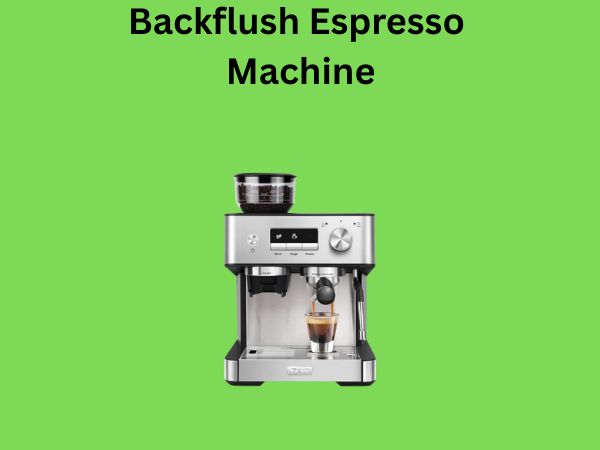
Backflush Espresso Machine: How Often Should You Really Do It?
If you’re serious about your espresso, you’ve probably heard the term “backflushing” thrown around at your local coffee shop or in online forums. But here’s the thing—most people don’t really understand why it matters or how often they should actually be doing it. Think of backflushing like brushing your teeth: everyone knows it’s important, but not everyone understands the science behind it or does it correctly. In this guide, I’m going to break down everything you need to know about backflushing your espresso machine so you can keep it running smoothly and pulling perfect shots.
Understanding What Backflushing Actually Is
Before we dive into the frequency question, let’s establish what backflushing really means. Backflushing is the process of running water backward through your espresso machine’s group head and portafilter without any coffee grounds in it. Instead of water flowing downward through the coffee and into your cup, it flows upward, essentially reversing the normal direction of water movement.
When you pull an espresso shot, water forces its way through tightly packed coffee grounds under high pressure. This process leaves behind fine particles and oils that accumulate inside your group head and shower screen. Over time, these residues build up like plaque on your teeth. Backflushing dislodges these particles and sends them out into the drain rather than letting them harden and cake up inside your machine.
The Science Behind Why Backflushing Matters
Coffee Oils and Residue Buildup
Coffee is full of oils—they’re what give espresso its rich, creamy body and complex flavor profile. However, these oils don’t disappear after you’ve pulled a shot. Some of them cling to the internal surfaces of your machine, particularly around the group head and shower screen. When these oils oxidize, they become rancid, which means they start affecting the flavor of every subsequent shot you pull.
Think about leaving a dish with oil residue in your sink without rinsing it immediately. The longer it sits, the harder it becomes to clean. The same principle applies to your espresso machine. Fresh oil is easier to remove than oil that’s been sitting there for days or weeks.
Mineral Deposits and Scale Buildup
Beyond coffee oils, minerals in your water—particularly calcium and magnesium—deposit themselves inside your machine over time. This process is called scaling. When combined with coffee residue, these mineral deposits create a stubborn layer that’s increasingly difficult to remove. Regular backflushing helps prevent this layer from solidifying in the first place.
Impact on Shot Quality
A dirty group head directly impacts your espresso quality. You might notice your shots pulling faster than usual, indicating uneven water distribution or channeling. You might also detect a bitter, burnt, or stale taste in your espresso—all signs that old residue is interfering with proper water flow and extraction.
How Often Should You Backflush Your Espresso Machine?
The Professional Standard
Most espresso machine manufacturers and barista professionals recommend backflushing between every single shot. Yes, you read that right—every single one. In commercial settings, baristas backflush between pulls throughout the entire day. This prevents any buildup from starting in the first place.
However, let’s be realistic. If you’re a home user pulling maybe two or three shots per day, backflushing after every single shot might feel like overkill. But here’s the thing: the professional standard exists for a reason. Commercial machines pull hundreds of shots daily, which means residue accumulates quickly.
Recommended Frequency for Home Users
For home espresso enthusiasts, most experts recommend backflushing at least once daily, or every few shots if you’re pulling multiple shots in one sitting. Here’s a practical framework you can follow:
- If you pull one or two shots per day: backflush once daily, either after your last shot or before your first shot the next morning
- If you pull three to five shots per day: backflush after every second or third shot, plus once at the end of the day
- If you’re doing multiple shots in quick succession for espresso drinks: backflush between every shot or every other shot
The Consistency Factor
What matters most is consistency rather than hitting some magic number. Regular, frequent backflushing prevents residue from ever accumulating to problematic levels. It’s much easier to prevent buildup than to reverse it once it’s already happened. Think of it like maintaining a garden—a little weeding every week beats tackling an overgrown mess every few months.
What Happens If You Don’t Backflush Regularly
Short-Term Consequences
Within just a few days of not backflushing, you’ll likely notice changes in your espresso. Your shots might start pulling slightly faster, indicating that the shower screen has become partially clogged with residue. The espresso might taste slightly off—perhaps a bit more bitter or with subtle burnt notes. These are your machine’s first warning signs.
Medium-Term Issues
After a week or two without backflushing, the deterioration becomes more noticeable. Your espresso will taste noticeably stale or rancid. You might find yourself needing to adjust your grind finer to compensate for uneven water distribution. Channeling becomes more pronounced, meaning water finds the path of least resistance through your puck rather than distributing evenly.
Long-Term Machine Damage
Over months without proper backflushing, serious problems develop. The buildup hardens into a caked layer that can’t be easily removed through casual backflushing. You’ll eventually need a professional cleaning using specialized backflush machines or soaking procedures. In worst cases, this neglect can damage internal components and shorten your machine’s lifespan significantly.
The Proper Backflushing Technique
Equipment You’ll Need
Before backflushing, gather your supplies. You’ll need a portafilter (preferably one designated specifically for backflushing), a blind basket (a basket with no holes), your espresso machine, and access to the group head. Some machines come with a backflush basket; others require you to purchase one separately.
Step-by-Step Process
Insert your blind basket into your portafilter. Lock it into the group head just as you would for a normal shot. Turn on the water pump as if pulling a shot. Within a second or two, the water pressure will reverse back through the group head and spray out from underneath the basket. This is the backflush happening. You should see water (and possibly some gunk) exiting through the bottom.
Run the pump for about one second, then turn it off. You’ll hear a hissing sound as the pressure releases. Let the machine sit for about half a second, allowing the pressure to stabilize. Then repeat—pump on for one second, pump off, brief pause. Continue this cycle for about five to ten seconds total.
What You Should Observe
At the start, you might see brown, murky water or small particles exiting during backflushing. That’s exactly what you want to see—you’re dislodging the residue. Continue backflushing until the water coming out runs relatively clear. When you’re satisfied, remove the portafilter and give the group head a quick rinse with clean water.
Important Considerations and Warnings
Not All Machines Support Backflushing
Here’s a critical point: not every espresso machine can be backflushed. Machines with pressurized baskets or pre-infusion systems might not be compatible. Some single boiler machines also can’t handle backflushing because their design doesn’t allow for this pressure reversal. Always check your machine’s manual before attempting to backflush. If it’s not recommended for your model, don’t force it—you could damage internal components.
The Water Pressure Element
Backflushing works because your machine can generate significant pressure. When done correctly, this pressure dislodges residue. However, too much aggressive backflushing can potentially damage sensitive internal components like valves and gaskets. This is why the gentle pulse method—pump on for one second, then off—is recommended rather than extended pumping.
Temperature Considerations
It’s generally best to backflush when your machine is at or near operating temperature. The heat helps loosen oils and makes them easier to dislodge. However, avoid backflushing when your machine is extremely hot or during unusual temperature cycling, as rapid pressure changes during these times could stress the system.
Combining Backflushing With Other Maintenance Tasks
Daily Maintenance Routine
Backflushing should be part of a comprehensive maintenance routine, not a standalone practice. After backflushing, run water through the group head with the portafilter removed. This flushes away any remaining particles and clears out the group head completely. Some baristas call this “purging,” and it’s just as important as backflushing itself.
Weekly Deep Cleaning
Beyond daily backflushing, dedicate time weekly to deeper cleaning. Soak your portafilter basket and shower screen in a specialized espresso machine cleaning product like Cafiza for fifteen minutes. This removes more stubborn buildup than backflushing alone can achieve. After soaking, scrub gently with a small brush and rinse thoroughly.
Monthly Descaling
Even with regular backflushing, mineral scale still accumulates inside your machine’s internal passages. Monthly descaling removes these mineral deposits and keeps your machine running optimally. Use a descaling solution specifically designed for espresso machines, following the manufacturer’s instructions carefully.
Signs Your Machine Needs More Frequent Backflushing
Water Quality Matters
If you have hard water with high mineral content, residue builds up faster. You might need to backflush more frequently or consider installing a water filter to extend the time between deep cleanings. Similarly, if your tap water contains sediment or unusual particles, these will accumulate more quickly and require more frequent maintenance.
Volume of Use
The more shots you pull, the more residue accumulates. Someone pulling ten shots daily absolutely needs to backflush more frequently than someone pulling two. Volume of use is probably the single biggest factor in determining your ideal backflushing frequency.
Machine Age and Condition
Older machines might require more frequent backflushing if their internal gaskets have become less effective at sealing. Machines that have been neglected in the past might also need more aggressive or frequent maintenance to reverse years of accumulated buildup.
Common Backflushing Mistakes to Avoid
Using the Wrong Basket
Never attempt to backflush with a regular coffee basket—always use a blind basket specifically designed for backflushing. A regular basket has holes that allow water to escape, preventing proper pressure buildup and making the backflush ineffective.
Backflushing Too Aggressively
Some enthusiasts think that longer, more aggressive backflushing sessions will clean better. The opposite is true. Gentle pulses are more effective and safer for your machine. You’re creating controlled pressure reversals, not trying to blast everything out forcefully.
Neglecting to Rinse Afterward
After backflushing, always run fresh water through the group head with the portafilter removed. This removes loosened particles and any residual cleaning solution. Failure to rinse leaves these contaminants in your machine, where they’ll immediately start accumulating again.
Using Backflushing as a Substitute for Proper Cleaning
Backflushing is preventive maintenance, not a deep cleaning solution. Don’t skip weekly basket soaking or monthly descaling just because you’re backflushing daily. Each maintenance task serves a different purpose in your comprehensive cleaning routine.
Professional Versus Home Machine Backflushing
Why Commercial Machines Backflush So Frequently
In a busy café, the espresso machine might pull fifty to two hundred shots daily. Residue accumulation happens at lightning speed. Baristas backflush between every shot because they simply must—it’s the only way to maintain shot quality and extend machine life. Commercial machines are also designed specifically to handle this constant backflushing.
Home Machine Considerations
Home machines handle much lower volume, so they don’t need backflushing after every shot. However, they also typically have less robust internal components than commercial machines. This means you should be gentler with your backflushing—still regular and consistent, but with less aggressive pressure than you’d see in a café.
When to Call a Professional
Signs Your Machine Needs Expert Help
If you’ve been backflushing regularly but your espresso quality is still declining, professional intervention might be necessary. Similarly, if you hear unusual sounds during backflushing or if water isn’t flowing back through the group head as expected, something internal might be damaged. Don’t attempt to force backflushing if something feels wrong—contact a qualified espresso machine technician instead.
Professional Cleaning Services
Some technicians offer professional backflushing and deep cleaning services using commercial-grade equipment and specialized solutions. If your machine has been neglected for extended periods, this service can reverse damage that regular backflushing alone can’t touch.
Conclusion
So, how often should you backflush your espresso machine? The simple answer is: regularly and consistently. For most home users, backflushing at least once daily—or ideally after every few shots—keeps your machine clean and your espresso tasting excellent. The professional standard of backflushing after every shot represents the gold standard, but even partial compliance with that guideline will dramatically improve your machine’s performance and longevity.
Think of backflushing not as a chore but as an investment in your espresso experience. Those few extra seconds per day compound into weeks of extended machine life, years of delicious espresso, and the satisfaction of knowing you’re maintaining your equipment properly. Your machine will reward you with consistent, clean shots that taste exactly as they should. Start incorporating regular backflushing into your routine today, and you’ll notice the difference immediately.
Frequently Asked Questions
Can backflushing damage my espresso machine?
When done correctly using the gentle pulse method with a blind basket, backflushing is safe for machines that support it. The risk comes from aggressive backflushing or attempting it on incompatible machines. Always check your manual first, and never force excessive pressure. The pulse technique—one second on, one second off—provides effective cleaning without stressing your machine’s components.
What’s the difference between backflushing and purging?
Backflushing reverses water pressure through a blind basket to dislodge residue, while purging runs water through the group head without any basket to clear out loosened particles and excess moisture. They’re complementary processes—backflush first to dislodge buildup, then purge to remove the loosened material and prepare for your next shot.
Is backflushing necessary if I use filtered water?
Filtered water reduces mineral scale buildup, but you still need to backflush to remove coffee oils and fine particles that accumulate


