
How Do You Clean Breville Espresso Machine Properly: The Ultimate Deep Clean Guide
Let me be honest with you—if you’ve just invested in a Breville espresso machine, you’re probably wondering how to keep it running like new. I get it. You want that perfect shot of espresso every single morning, and the secret to that isn’t just about technique or beans. It’s about keeping your machine clean and well-maintained. Think of your espresso machine like a car: you wouldn’t skip oil changes and expect it to run smoothly, right? The same applies here.
In this guide, I’m going to walk you through everything you need to know about cleaning your Breville espresso machine. Whether you’re dealing with stubborn coffee oils, mineral buildup, or just routine maintenance, I’ve got you covered.
Why Proper Cleaning Matters for Your Breville Machine
You know what’s frustrating? Spending three hundred dollars or more on an espresso machine only to have it underperform after a few months. The culprit? Neglected cleaning. When you don’t maintain your Breville properly, several things happen simultaneously. Coffee oils accumulate on internal components, mineral deposits clog the water lines, and residue builds up in places you can’t even see. This creates a domino effect that ruins your espresso quality and shortens your machine’s lifespan.
Here’s what regular cleaning actually does for you: it preserves the flavor profile of your espresso by preventing rancid oil buildup, it maintains water pressure for optimal extraction, it prevents mechanical failures, and it extends the overall lifespan of your investment. Essentially, you’re not just cleaning—you’re protecting your morning ritual.
Daily Cleaning: Your First Line of Defense
Think of daily cleaning as brushing your teeth. You wouldn’t brush once a week and expect healthy teeth, so don’t expect a clean espresso machine if you only clean it weekly. Let me break down what needs to happen every single day you use your machine.
The Immediate Post-Shot Routine
Right after you pull your espresso shot, while the machine is still warm, purge the group head. This is crucial. You’ll want to turn the three-way solenoid valve to flush water through without the portafilter attached. This removes loose coffee grounds and prevents them from drying into stubborn buildup. It takes about five seconds but makes an enormous difference.
Portafilter and Basket Care
Remove the portafilter immediately after each shot. Tap out the used grounds into your waste bin or compost. Don’t let them sit in there. Then, rinse the portafilter and basket under hot running water. Get into all the nooks and crannies. You’re looking for that chocolate-brown residue to wash away completely. Pat them dry with a clean cloth and set them aside.
Wiping the Group Head
Using a clean, damp cloth or a specialized group head brush, wipe around the entrance of the group head. This removes any coffee particles that might affect the next shot. It’s a simple step that takes thirty seconds but prevents cross-contamination between shots.
Weekly Deep Cleaning: Going Beyond the Basics
While daily cleaning handles surface-level maintenance, weekly deep cleaning targets the buildup you can’t see. I recommend doing this on the same day each week—maybe Sunday evening when you’re winding down.
Backflushing Your Group Head
Backflushing is where the magic happens. This technique forces water backward through the group head to expel oils and fine particles that daily cleaning misses. Here’s how you do it:
- Insert the portafilter with basket but without coffee grounds
- Lock it into the group head
- Turn on the water for two seconds, then turn it off for one second
- Repeat this cycle ten to fifteen times
- You’ll see dark water spray out, indicating oil removal
- Continue until the water runs relatively clear
Not all Breville machines support backflushing—check your manual first. But if yours does, this is perhaps the single most effective cleaning technique you can employ.
Soaking the Portafilter and Basket
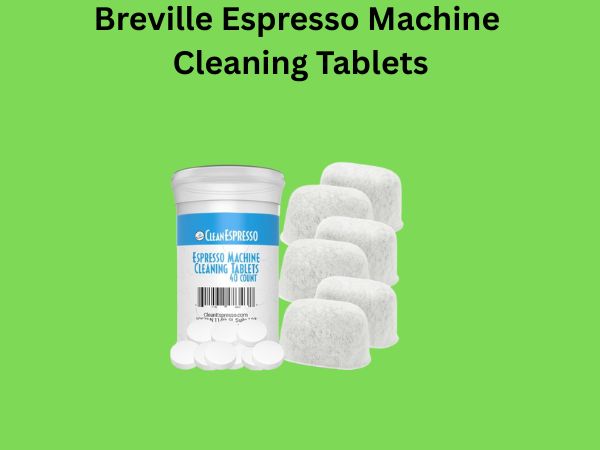
Once weekly, soak your portafilter and baskets in hot water mixed with espresso machine cleaning powder. Most people use products like Cafiza or similar. Fill a bowl with hot water, add the powder according to instructions, and submerge the parts for fifteen to twenty minutes. This breaks down stubborn oil deposits that water alone won’t remove. After soaking, scrub with a soft brush and rinse thoroughly under running water.
Cleaning the Shower Screen
The shower screen—that perforated plate that water passes through before hitting the coffee—accumulates oils too. If your machine allows, remove it and soak it alongside your portafilter. If it’s not removable, soak a cloth in the same cleaning solution and press it against the screen for several minutes.
Monthly Descaling: Battling Mineral Buildup
Hard water is the enemy of espresso machines. Over time, minerals accumulate in the boiler and water lines, reducing efficiency and affecting temperature stability. Monthly descaling is non-negotiable if you want optimal performance.
Choosing the Right Descaling Product
Not all descalers are created equal. For your Breville machine, you want a descaler specifically formulated for espresso machines. Breville makes their own branded descaling solution, which is perfectly calibrated for their machines. Alternatively, products like Dripkit or Cafiza’s descaling solution work well. Avoid generic descalers meant for coffee makers—they might be too harsh for your machine’s components.
The Descaling Process Step-by-Step
First, make sure your machine is powered on and warmed up. Empty the water tank and fill it with a mixture of descaling solution and water according to the product instructions—typically a one-to-one ratio. Run the solution through the group head for five seconds, then stop for five seconds. Repeat this cycle until the tank is empty. This pushes the descaling solution through all internal passages.
Once you’ve finished with the group head, run the solution through the steam wand as well. This is important because mineral buildup affects steam quality. Let the machine sit for about fifteen minutes with the remaining solution in the tank. This allows the descaler to work on stubborn deposits.
After this waiting period, refill the tank with fresh water and run it through the entire system—group head and steam wand—until the tank is completely empty. Repeat this rinsing process twice more to ensure no descaling solution remains. This is crucial because leftover descaler will ruin your espresso flavor.
How to Clean the Group Head Properly: The Heart of Your Machine
The group head is where all the magic happens, and it’s also where most buildup occurs. Think of it as the lungs of your espresso machine—if they’re clogged, nothing works right.
Understanding Group Head Anatomy
Your group head consists of several components: the screen (that perforated plate I mentioned), the gasket (a rubber seal), and the internal passages where water travels. Each requires different cleaning attention.
Removing and Cleaning the Gasket
The rubber gasket can be removed on most Breville machines. Once a month, take it out and soak it in your cleaning solution. Check it for cracks or hardening—if it’s damaged, replace it. A worn gasket compromises your machine’s ability to build and maintain pressure, directly affecting shot quality.
Running Blind Basket Shots
A blind basket is a portafilter basket without holes. Insert it into your group head without any coffee, lock it in, and run water for a few seconds. The water can’t escape through the basket, so it forces back through the group head passages. This is another form of backflushing that dislodges stubborn particles. Do this with clean water first, then with your cleaning solution, then rinse thoroughly with water again.
Cleaning the Portafilter and Basket: Overlooked but Essential
Many people assume the portafilter and basket are clean once they rinse them, but oils seep into the metal’s microscopic pores. Let me show you how to truly clean these components.
Identifying Different Basket Types
Breville machines typically come with single-shot baskets (holds about seven grams), double-shot baskets (holds about seventeen grams), and sometimes triple baskets. Each accumulates oils differently, but the cleaning process remains the same.
The Proper Soaking Technique
Fill a cup or bowl with hot water and add your cleaning powder—about half a teaspoon per cup. Drop your portafilter and baskets in and let them sit. After fifteen minutes, take a soft brush (an old toothbrush works) and gently brush the inside of the basket and around the portafilter’s edges. Pay special attention to where the basket clips into the portafilter, as oil accumulates there. Rinse everything thoroughly under hot running water until the water runs clear.
Drying and Storage
Never store your portafilter wet. This promotes bacterial growth and can cause rust on some components. Pat everything dry with a lint-free cloth and store it in a clean, dry place. Many people keep their portafilter and baskets next to their machine on a small towel.
Steam Wand Maintenance Guide: Often Forgotten, Always Important
The steam wand is where most people fail in their cleaning routine. Milk residue is more stubborn than coffee residue, and it can spoil your machine’s performance and your milk-based drinks’ flavor if neglected.
Immediate Post-Steaming Care
As soon as you finish steaming milk, wipe the steam wand with a damp cloth while it’s still warm. The heat makes dried milk easier to remove. Use a cloth that’s just barely damp—you don’t want water dripping into the wand’s tip. Wipe thoroughly, rotating the cloth to use clean sections. Then, run steam through the wand for a few seconds to push any remaining moisture out.
Weekly Deep Steam Wand Cleaning
Once weekly, soak the removable tip of your steam wand (if it’s removable) in your cleaning solution. Let it sit for fifteen minutes, then use a small brush or pipe cleaner to clear any milk buildup from inside. The tiny holes in the tip are where most blockages occur. If your steam wand tip isn’t removable, soak a cloth in cleaning solution and hold it around the tip for several minutes.
Dealing with Stubborn Milk Buildup
Sometimes milk hardens inside the steam wand and creates clogs. If this happens, remove the tip and use a pipe cleaner or thin wire to gently clear the passage. Don’t force anything—you can damage the delicate internal components. If gentle attempts don’t work, soak the tip in hot water for an hour, which often softens the buildup enough for removal.
Dealing with Stubborn Mineral Deposits: Advanced Techniques
If you have particularly hard water, you might notice white or yellowish deposits accumulating despite regular descaling. These are mineral buildup that requires more aggressive treatment.
Extended Descaling Cycles
Instead of a single monthly descaling, try doing a lighter descale every two weeks if you have very hard water. Use a half-strength descaling solution and run it through all passages. This prevents heavy buildup from accumulating in the first place.
Using Vinegar as a Natural Alternative
Some people swear by white vinegar for descaling, but I recommend caution here. Vinegar is acidic and can damage certain rubber components in your machine. If you do use it, dilute it heavily—about one part vinegar to three parts water—and always follow with extensive rinsing. Honestly, proper descaling solution is worth the investment.
Professional Descaling Service
If mineral buildup becomes severe despite your efforts, consider sending your machine to a professional for deep descaling. They have industrial-strength solutions and ultrasonic equipment that can clean components you can’t access at home.
Tools and Supplies You’ll Need: Building Your Cleaning Arsenal
You don’t need many tools, but having the right ones makes cleaning significantly easier. Think of this as an investment in protecting your investment.
Essential Cleaning Supplies
- Espresso machine cleaning powder (Cafiza or Breville brand)
- Descaling solution made for espresso machines
- Soft-bristled group head brush
- Pipe cleaners or thin brushes for steam wand
- Lint-free cloths (microfiber works well)
- Small bowl or cup for soaking
- Blind basket (often comes with your machine)
Optional but Helpful Tools
A small spray bottle filled with water is handy for rinsing. Some people use old toothbrushes for scrubbing—just make sure they’re clean. A magnifying glass can help you inspect components for remaining buildup. These aren’t necessary, but they improve your cleaning efficiency.
Common Cleaning Mistakes to Avoid
I’ve seen people make the same cleaning mistakes over and over. Let me help you avoid them.
Using Too Much Cleaning Powder
More isn’t better. Using excessive cleaning powder creates a thick residue that’s hard to rinse away. Follow the instructions on your product. Usually, half a teaspoon per cup of water is plenty. You’re dissolving oils, not performing alchemy.
Skipping the Rinse Cycle
This is the biggest mistake. People clean with solution but don’t rinse thoroughly enough afterward. Leftover cleaning solution will absolutely ruin your next espresso shot—it tastes bitter and metallic. Always rinse at least three times after using any cleaning solution.
Using Abrasive Brushes
Your machine’s internal components are precision-engineered. Using hard-bristled brushes or scrubbing aggressively can scratch seals and damage the group head. Stick with soft brushes and gentle pressure.
Descaling Too Frequently
While monthly descaling is good, descaling weekly is overkill and stresses your machine unnecessarily. Monthly is the