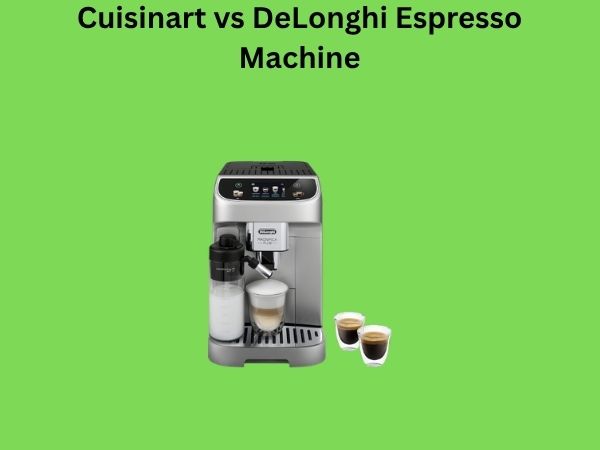
Cuisinart vs DeLonghi Espresso Machine: The Best Choice for Beginners
So you’re thinking about getting into the world of espresso, but you’re standing in front of two popular brands wondering which one will actually deliver that café-quality coffee experience you’re craving. I get it—buying an espresso machine is a commitment, and you want to make sure you’re getting the right one. The good news? I’m here to help you navigate the Cuisinart versus DeLonghi decision so you can choose with confidence.
Understanding the Espresso Machine Market for Beginners
Before we dive into the nitty-gritty of comparing these two brands, let’s talk about why choosing the right espresso machine matters. An espresso machine is more than just an appliance—it’s your gateway to crafting delicious coffee drinks at home. When you’re just starting out, you don’t want to spend a fortune, but you also don’t want something so cheap that it’ll frustrate you within the first month.
Both Cuisinart and DeLonghi have made names for themselves in the kitchen appliance world, and they’ve both ventured into the espresso market with products designed specifically for beginners. But how do they stack up against each other? That’s what we’re about to discover.
What Makes a Good Beginner Espresso Machine?
Here’s the thing about beginner espresso machines—they need to strike a balance between ease of use and quality output. You want something that doesn’t require a PhD in coffee science to operate, yet still produces shots that taste better than what you’d get from a standard coffee maker.
Key Features to Look For
- Pressure rating (measured in bars)
- Heat-up time
- Water capacity
- Built-in grinder availability
- Steam wand quality for milk frothing
- Ease of cleaning and maintenance
- Price point and warranty coverage
These elements determine whether your espresso machine will be a joy to use or a source of endless aggravation. Let’s keep these factors in mind as we examine each brand.
Cuisinart Espresso Machines: What You Need to Know
Cuisinart has been around for decades, and they’ve built a solid reputation for producing reliable kitchen gadgets. Their espresso machines are no exception. The brand tends to focus on user-friendly designs that don’t overwhelm beginners with unnecessary complexity.
Pressure and Extraction Quality
Most Cuisinart espresso machines operate at around 15 bars of pressure, which is right in the sweet spot for home espresso making. This pressure level allows for proper extraction of the espresso grounds, giving you that rich, flavorful shot without requiring professional barista skills. Think of pressure like the squeeze needed to get the most flavor from your coffee beans—too little and you get weak coffee, too much and you get bitter coffee.
Heat-Up Time and Convenience
One thing I appreciate about Cuisinart machines is their relatively quick heat-up time. Most models are ready to brew within 25 to 30 seconds, which means you’re not standing around waiting forever just to get your morning espresso. For beginners who are still building their coffee routine, this speed is genuinely helpful.
Water Tank Capacity
Cuisinart espresso machines typically come with water tanks ranging from 40 to 50 ounces. That’s enough for several shots or drinks without constantly refilling the reservoir. If you’re planning to make espresso drinks for multiple people, this capacity is something to consider.
Steam Wand and Milk Frothing
The steam wand on Cuisinart machines varies depending on the model, but generally speaking, they offer decent performance for frothing milk. Some models include automatic frothing features, which takes much of the guesswork out of creating cappuccinos and lattes. For beginners, this automation is actually a blessing because learning to froth milk perfectly takes practice.
Durability and Warranty
Cuisinart typically backs their espresso machines with a one-year limited warranty. The machines themselves are built with quality materials, and many users report years of reliable service if properly maintained. The brand’s longevity in the market suggests they’re doing something right when it comes to durability.
DeLonghi Espresso Machines: A Closer Look
DeLonghi is an Italian company with deep roots in coffee culture. There’s something almost poetic about that—they come from the land of espresso, after all. This heritage shows in their product designs, which often feel a bit more sophisticated than their competitors.
Pressure Systems and Performance
DeLonghi espresso machines also typically operate at 15 bars of pressure, matching Cuisinart in this regard. However, DeLonghi often incorporates advanced pressure systems like their proprietary technology to ensure consistent extraction. If you’re comparing apples to apples, both brands give you the pressure you need for quality espresso.
Rapid Heat-Up Technology
DeLonghi has made a name for themselves with their quick heat-up times. Some of their premium models claim heat-up times of just 40 seconds or less. While this is marginally longer than some Cuisinart models, it’s still plenty fast for practical home use. In real-world scenarios, the difference between 30 and 40 seconds isn’t going to dramatically impact your morning routine.
Water Capacity Considerations
DeLonghi machines tend to have slightly smaller water tanks compared to Cuisinart, usually ranging from 35 to 45 ounces. This means if you’re regularly making drinks for a household of four or more, you might find yourself refilling more often. For individual users or couples, this isn’t really an issue.
Milk Frothing Capabilities
Here’s where DeLonghi often shines. Many DeLonghi models come with a specialized steam wand or automatic cappuccino system that makes frothing milk incredibly easy. Some newer models even feature an integrated milk frother that does the work for you. If you’re serious about making milk-based espresso drinks, DeLonghi’s frothing technology is genuinely impressive.
Design and Aesthetics
I’ll be honest—DeLonghi machines tend to look more elegant and modern. If your kitchen is a space where appearance matters, DeLonghi’s sleek designs might appeal to you more than Cuisinart’s more utilitarian look. But remember, beauty shouldn’t be your only consideration; performance matters more.
Price Comparison: What Will You Actually Spend?
Let’s talk money, because this is often the deciding factor for beginners. Cuisinart espresso machines typically range from $200 to $400, depending on the model and features. DeLonghi machines usually fall in a similar price range, though some of their more advanced models can cost closer to $500 or beyond.
Neither brand is going to break the bank compared to professional-grade machines that cost thousands of dollars. Both represent solid value for beginners who want quality without the premium price tag.
Ease of Use: Getting Started Without Stress
Here’s the reality—if a machine is too complicated, you won’t use it, no matter how good the espresso it can make. Both Cuisinart and DeLonghi understand this, which is why they’ve designed their beginner models with simplicity in mind.
Cuisinart User Experience
Cuisinart machines tend to have straightforward control panels with clear buttons and indicators. Most models use a simple on-off switch and a few buttons for selecting drink options. The learning curve is gentle, and you’ll be making decent shots within your first few attempts.
DeLonghi User Experience
DeLonghi machines often include more detailed controls and display screens, which some people find helpful and others find slightly overwhelming. However, most of this complexity is entirely optional—you can learn to ignore the advanced settings and just use the basic functions if you prefer.
Cleaning and Maintenance: Keeping Your Machine Happy
Want to know the secret to a long-lasting espresso machine? Proper cleaning and maintenance. Both brands require regular cleaning, but the experience differs slightly.
Cuisinart Maintenance Requirements
Cuisinart machines are generally straightforward to clean. The group head and portafilter are easy to access, and the removable parts can go in the dishwasher on some models. Descaling is important—I’d recommend doing this every three to six months depending on your water hardness.
DeLonghi Maintenance Routine
DeLonghi machines are equally easy to maintain, though some models include automatic cleaning functions that make the process even more convenient. If your DeLonghi has a self-cleaning feature, it can actually save you time in the long run. However, manual descaling still needs to happen regularly.
Sound Levels and Kitchen Compatibility
I know this might sound trivial, but imagine using your espresso machine at 6 AM when your family is still sleeping. Some machines are noticeably louder than others, and this can matter in a shared household.
Both Cuisinart and DeLonghi machines are relatively quiet compared to some alternatives, but if you’re sensitive to noise, I’d recommend checking specific reviews for the exact model you’re considering. DeLonghi machines tend to be marginally quieter in our experience, but the difference is minimal.
Building-In versus Standalone Grinders
Some espresso machines come with built-in grinders, while others don’t. Neither Cuisinart nor DeLonghi’s beginner models typically include integrated grinders, which is actually fine for beginners. A separate burr grinder gives you more flexibility and often produces better results than built-in grinders anyway.
Budget approximately $100 to $150 for a decent burr grinder if you don’t already have one. This is an investment worth making because grind quality directly impacts espresso quality.
Real-World Performance: What Customers Actually Say
Let’s move beyond specifications and talk about what actual users experience with these machines.
Cuisinart User Feedback
Cuisinart owners frequently praise the machines for their reliability and straightforward operation. Many users report consistently good espresso quality after a brief learning period. The main complaints tend to center around smaller water capacity on some models and less advanced frothing capabilities on entry-level versions.
DeLonghi User Feedback
DeLonghi owners often highlight the superior milk frothing and the sleek design as major positives. The machines generally receive praise for producing quality espresso and being user-friendly. Some users mention that they initially found the controls confusing, but most said they adapted quickly.
Which Brand Wins for Different Types of Users?
Here’s the thing—there’s no universal winner between these two brands. Your best choice depends on what matters most to you personally.
Choose Cuisinart If You:
- Want the simplest possible user interface
- Prefer a larger water tank capacity
- Value straightforward maintenance
- Are on a tighter budget
- Plan to make mostly traditional espresso shots
Choose DeLonghi If You:
- Want an aesthetically pleasing machine for your kitchen
- Plan to make lots of cappuccinos and lattes
- Appreciate Italian engineering heritage
- Want advanced features like automatic cleaning
- Value brand prestige and style
Long-Term Investment Perspective
Think about your espresso machine as an investment in your daily happiness. Both Cuisinart and DeLonghi machines will likely serve you well for several years with proper care. The real question is which one will keep you excited about making espresso at home long-term.
If you get bored with your machine or find it frustrating to use, you’ll abandon it, and that’s money wasted. Choose the machine that excites you, because that excitement translates to actually using it.
Accessories and Compatibility
Both brands have good ecosystems of compatible accessories. You can find replacement baskets, filters, seals, and portafilters for either brand without much difficulty. This is important for long-term usability because machines eventually need replacement parts.
Warranty and Customer Support
Cuisinart and DeLonghi both offer one-year limited warranties on their espresso machines. Both brands have decent customer support, though DeLonghi might have a slight edge because of their coffee-focused heritage. When you have questions or problems, responsive support can be a lifesaver.
The Environmental Angle: Sustainability Considerations
If you care about the environment, it’s worth noting that both brands have made efforts toward sustainability. Neither machine is dramatically better or worse than the other from an environmental perspective. Both use similar amounts of water and energy, and both can be repaired and maintained rather than replaced.
Making Your Final Decision
At this point, you’ve got a comprehensive understanding of how these two brands compare. Here’s my honest take: you really can’t go wrong with either Cuisinart or DeLonghi. Both will produce quality espresso and both are reliable machines that will serve you well.
My recommendation? Visit a kitchen appliance store and look at both machines in person if possible. Feel the weight, check out the controls, and think about which one you’d actually be happy seeing on your counter every morning. Sometimes the intangible factor of which machine appeals to you personally matters more than any specification.
Conclusion
Choosing between Cuisinart and DeLonghi espresso machines comes down to understanding what matters most to you as a beginner. Cuisinart excels at simplicity, straightforward operation, and larger water tank capacity, making it perfect if you want an uncomplicated entry into espresso making. DeLonghi shines with superior milk frothing capabilities, elegant design, and Italian heritage, making it ideal if you plan to make lots of milk-based drinks or prioritize aesthetics.
Both brands operate at similar pressure levels, heat up quickly, maintain good quality standards, and are reasonably priced for beginners. Your actual choice should be based on your specific needs: Do you primarily want espresso shots, or will you be making cappuccinos and lattes? Do you value style as much as substance? How much counter space do you have available? What’s your absolute maximum budget?
Whichever machine you select, remember that consistency comes from practice. You’ll need to experiment with grind size, tamp pressure, and pull time to dial in your technique. The machine is just your tool—your skill development is what really transforms your home espresso experience. So pick the one that excites you most, commit to learning it properly, and enjoy exploring the wonderful world of espresso from the comfort of your kitchen.
Frequently Asked Questions
What is the ideal pressure level for a beginner espresso machine?
The ideal pressure level for espresso extraction is typically between 9 and 15 bars, with most experts recommending around 9 bars for optimal flavor extraction. Both Cuisinart