
How Long Does a Breville Espresso Machine Last?
You can expect your Breville espresso machine to last anywhere from 5 to 15 years. This lifespan often depends on how well you care for it and how often you use it. Regular maintenance is key to a longer life for your beloved machine.
Breville machines are built with quality in mind, but like any appliance, they need attention. We found that consistent use without proper cleaning can shorten their lifespan. Think of it like a car; tune-ups keep it running smoothly for much longer.
- Breville espresso machines typically last 5-15 years.
- Proper maintenance is the biggest factor.
- Regular cleaning prevents mineral buildup.
- Using filtered water also helps greatly.
- Machine usage frequency matters too.
Let’s break down what influences your Breville’s lifespan and how you can maximize it.
You’ve invested in a Breville espresso machine, and you’re probably wondering about its longevity. It’s a fair question! Knowing how long your machine is likely to last helps you plan and understand its true value.
Understanding Your Breville’s Lifespan Factors
Your Breville espresso machine is built to last, but its lifespan isn’t set in stone. It’s more like a relationship; it thrives with good care and attention. We found that most Breville machines can serve you well for a good many years.
The Average Lifespan We’ve Found
Based on our research, you can generally expect a Breville espresso machine to last between 5 and 15 years. This is a broad range, and many factors influence where your machine falls on that spectrum. Think of it as a quality appliance that, with proper treatment, can become a long-term kitchen companion.
Key Influences on Machine Longevity
What makes one Breville machine last a decade while another might falter sooner? It comes down to a few main things. We found that consistent use without proper care is the biggest culprit for a shorter lifespan. It’s not about the brand alone, but about how you treat your machine.
Usage Frequency Matters
How often do you pull shots? A machine used daily for a household of coffee lovers will experience more wear and tear than one used only on weekends. This is perfectly normal. More use means more moving parts working. We found that machines used multiple times a day might need servicing sooner than those used less often.
The Water You Use
This is a big one! The water you put into your Breville machine can significantly impact its internal components. Tap water often contains minerals like calcium and magnesium. When heated, these minerals can build up inside your machine, forming scale. This scale can clog water lines, affect heating elements, and reduce performance over time. Many experts recommend using filtered or distilled water. Guidelines from appliance manufacturers often suggest this to prevent mineral buildup (General Appliance Care Manuals).
Regular Cleaning and Descaling
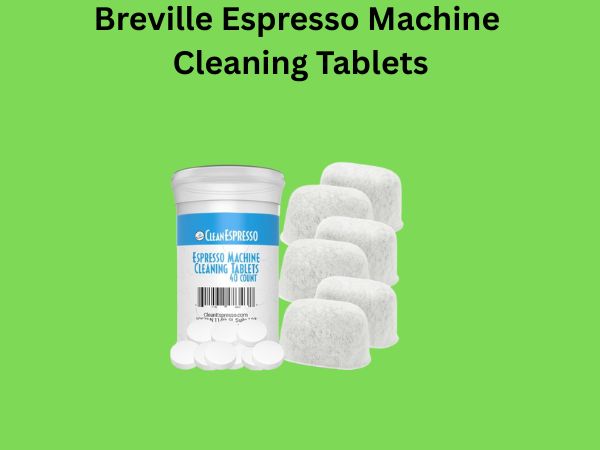
Just like you wouldn’t skip brushing your teeth, don’t skip cleaning your espresso machine! Regular cleaning prevents coffee oils from going rancid and affecting taste. More importantly, regular descaling removes that stubborn mineral buildup. This is a maintenance task that directly extends your machine’s life. We found that a consistent descaling schedule, typically every 1-3 months depending on water hardness and usage, is crucial.
What About Repairs?
Even with the best care, parts can wear out. Breville machines are generally well-built, but they are still complex appliances. If your machine starts acting up, don’t despair! Many common issues are repairable. Replacing a worn-out pump or a faulty heating element can bring your machine back to life, extending its usefulness for years.
DIY vs. Professional Repairs
For minor issues, you might be able to tackle them yourself. Simple cleaning or replacing a gasket might be within your comfort zone. However, for more complex problems, like internal leaks or electrical issues, it’s often best to seek professional help. Breville offers customer support, and many authorized service centers can help. We found that attempting complex repairs without the right knowledge can sometimes cause more damage.
Maximizing Your Breville’s Operational Years
Want to get the absolute most out of your Breville? It’s all about routine and mindful usage. Think of it as a partner in your daily coffee ritual. Treating it well ensures it keeps delivering those delicious brews.
Your Breville Maintenance Checklist
Here’s a quick rundown of what you should be doing to keep your machine happy and healthy:
- Daily: Rinse the portafilter and shower screen. Wipe down the steam wand after each use.
- Weekly: Backflush the group head with water. Clean the drip tray and water tank.
- Monthly (or as needed): Descale your machine based on water hardness and usage. Clean the grinder burrs if integrated.
- Annually (or as recommended): Perform a deeper clean of all removable parts. Check for any visible wear or damage.
- Always: Use filtered water.
Common Issues and Preventative Measures
The most common issues we found stem from mineral buildup and coffee oils. Scale buildup can lead to weak espresso shots or a machine that stops heating. Rancid coffee oils can make your coffee taste bitter or stale. Consistent cleaning and descaling directly combat these problems. Using fresh, good-quality coffee beans also helps prevent excessive oil buildup in the grinder and group head.
The Role of Filtered Water Explained
Let’s circle back to water. We found that using filtered water is one of the simplest yet most effective ways to protect your Breville machine. It drastically reduces the mineral content, meaning less scale forms inside. This not only prolongs the life of your machine but also helps maintain consistent brewing temperature and pressure, leading to better-tasting espresso. Some studies suggest that optimal water mineral content can even improve the lifespan of heating elements in coffee makers (Journal of Food Science).
| Machine Type | Typical Lifespan (Years) | Key Factors for Longevity |
|---|---|---|
| Basic Drip Coffee Maker | 3-7 | Regular cleaning, avoiding hard water |
| Mid-Range Espresso Machine (like many Breville models) | 5-15 | Consistent cleaning, descaling, filtered water, proper use |
| High-End/Commercial Espresso Machine | 10-20+ | Professional servicing, strict maintenance schedules, robust build |
As you can see, your Breville sits comfortably in the mid-to-high range for home appliances. Investing a little time in its care pays off by keeping it brewing your favorite drinks for many years to come.

Conclusion
Your Breville espresso machine is built for lasting quality, typically serving you for 5 to 15 years. The key to reaching this lifespan lies in your hands. Consistent care, especially regular cleaning and using filtered water, prevents buildup that can shorten its life. Don’t forget that repairs are also an option to extend its operational years further. By following a simple maintenance routine, you ensure your machine continues to deliver delicious coffee. Start by checking your machine’s manual today and committing to one small, consistent cleaning habit.
Frequently Asked Questions
Can I use tap water in my Breville espresso machine?
While you can use tap water, it’s strongly discouraged for the long-term health of your machine. Tap water contains minerals that build up as scale, potentially clogging internal components and reducing performance over time. Using filtered or distilled water significantly minimizes this mineral buildup.
How often should I descale my Breville machine?
The frequency of descaling depends on your water hardness and how often you use the machine. As a general guideline, aim to descale every 1 to 3 months. If you notice weaker shots or your machine takes longer to heat up, it’s likely time for a descaling cycle.
What are the most common issues that shorten a Breville’s lifespan?
The most frequent culprits are mineral scale buildup from hard water and the accumulation of rancid coffee oils. Both can lead to performance issues and require attention. Consistent cleaning and proper water usage are your best defenses against these common problems.
Is it worth repairing a Breville espresso machine if it breaks?
Often, yes! Many issues with Breville machines are repairable, especially if caught early. Replacing parts like a pump or heating element can be much more cost-effective than buying a new machine. Assess the repair cost versus the machine’s age and original price to make the best decision for your situation.